
Last updated September 25, 2026
Free written scope consultation - allowances, timeline, and change-order rules on paper before a single trade is scheduled




 Before
 After
After Before
 After
After Before
 After
AfterDIY vs Professional Construction: The Cupertino Homeowner’s Decision Guide
A Cupertino homeowner who installs their own electrical panel upgrade without a permit will pay an average of $4,200 to $7,800 at resale to have a licensed electrician retrofit, document, and re-inspect the work - more than the licensed installation would have cost originally. In Santa Clara County’s competitive market, where median home prices exceed $2.5 million and buyers routinely hire specialized inspectors, the DIY-versus-hire decision is not primarily about skill or saving money. It is about whether unpermitted work creates title problems, insurance gaps, and disclosure liabilities that surface years later. This guide draws the legal and financial line for Cupertino homeowners: where DIY is genuinely appropriate, where California law requires a licensed contractor, and how to evaluate bids against real total cost. For related reading, see our guide on How to Hire a Construction Contractor in Cupertino: A Step-by-Step Guide.
Quick Answer
DIY construction in Cupertino makes sense for finish painting, landscaping, non-structural fixture replacement, and minor trim work. For electrical work over 100 amps, structural modifications, HVAC installation, plumbing beyond fixture swaps, and any project requiring a building permit, California law mandates a licensed contractor - and unpermitted DIY work typically costs 40% to 120% more to bring into compliance at resale than professional installation would have cost originally.
Table of Contents
- What California Law Requires: Licensed Contractor Scopes
- How Unpermitted DIY Work Appears on Resale
- The True Cost of DIY for Permit-Required Work
- Where DIY Is Genuinely Appropriate in Cupertino
- How to Evaluate a Contractor Bid Against DIY Correctly
- Cupertino Permits: What Triggers Them and What They Cost
- Insurance Gaps and Liability Exposure
- Common Mistakes to Avoid
- When to Call a Professional
- Frequently Asked Questions
 Before
 After
AfterWhat California Law Requires: Licensed Contractor Scopes
California Business and Professions Code Section 7048 defines the boundary clearly. Any construction project with a total contract price of $500 or more in combined labor and materials requires a contractor licensed by the Contractors State License Board (CSLB). This is not a suggestion or a formality. Performing work above this threshold without a license is a misdemeanor, and the unlicensed contractor - including a homeowner acting as their own contractor for certain scopes - has no legal right to collect payment.
More specific restrictions apply to trades that affect life safety:
- Electrical work over 100 amps: Requires a C-10 licensed electrician. Panel upgrades, subpanel installations, and new circuits fall here. A homeowner can legally replace a light switch or outlet, but cannot run new Romex to a garage subpanel without a C-10.
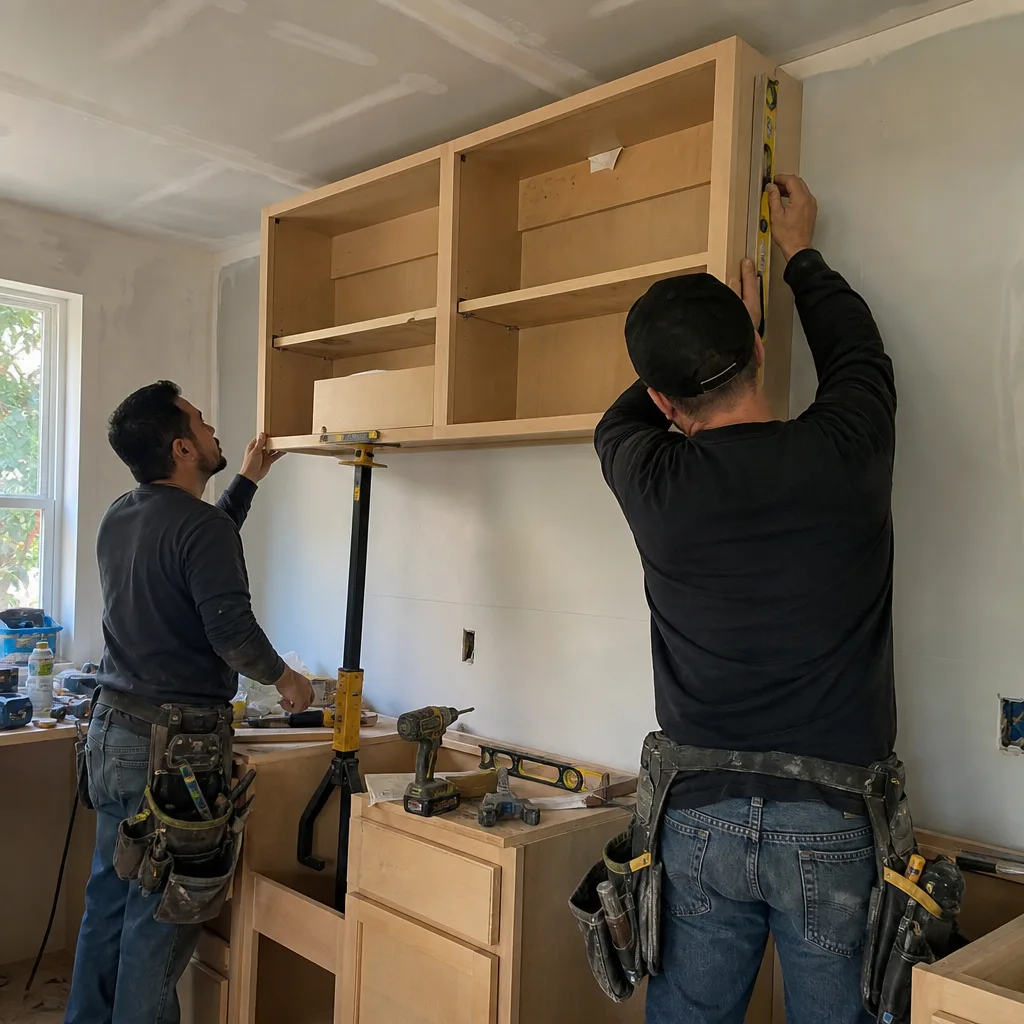
- Structural modifications: Requires a B-General or C-5 Framing contractor. This includes removing or altering load-bearing walls, modifying roof trusses, or changing foundation elements. In Cupertino’s seismically active zone, the city engineer reviews these plans personally.
- HVAC installation or modification: Requires a C-20 contractor. Ductwork changes, furnace replacement, and mini-split installation all trigger this. Refrigerant handling requires EPA certification, which homeowners cannot obtain for one project.
- Plumbing beyond fixture replacement: Requires a C-36 contractor. Swapping a toilet or faucet is legal DIY. Moving a drain line, installing a new water heater, or adding a bathroom requires the license.
- Roofing over 100 square feet: Requires a C-39 contractor. This threshold covers most residential re-roofs and repairs beyond patchwork.
The $500 threshold includes the value of your own labor. A homeowner who spends $400 on materials and works two weekends cannot claim the project is below threshold. The CSLB calculates total project value, not cash outlay.
Permit requirements operate separately from licensing. A licensed contractor can perform work without a permit in some cases, but a permit-required scope performed without a permit is a code violation regardless of who did the work. In Cupertino, permits are required for:
- Any electrical panel work, including upgrades and relocations
- Structural modifications, including removal of load-bearing walls
- Plumbing alterations affecting supply or drainage lines
- HVAC equipment replacement or ductwork modification
- Roofing replacement (not repair under 100 square feet)
- Window and door replacements that alter egress or structural openings
- Any work valued over $1,000 in the city’s administrative code interpretation
Permit avoidance is common in DIY culture, but in Cupertino’s market it is a particularly expensive gamble. The city’s building department maintains digital records dating to the early 1990s, and title companies search these records as standard practice.
How Unpermitted DIY Work Appears on Resale
California Civil Code Section 1102 requires sellers to disclose material facts affecting property value or desirability. This includes unpermitted work, whether performed by the current owner or a prior one. The Transfer Disclosure Statement (TDS) specifically asks about room additions, structural modifications, and other alterations - and “I don’t know” is not a safe answer if the work is visible.
In Cupertino’s market, buyer behavior amplifies the disclosure risk:
- Specialized inspectors are standard. Buyers spending $2.5 million or more routinely hire inspectors who check permit history against visible work. Companies like Inspectology and Golden Gate Inspections specifically flag permit gaps.
- Buyers price risk into offers. Unpermitted kitchen expansion? The buyer’s agent will estimate $15,000 to $40,000 to permit retroactively and reduce the offer accordingly. In competitive markets, some buyers simply walk.
- Title insurance complications. Title companies may exclude coverage for unpermitted structures, or require indemnification. Lenders may flag permit issues during appraisal review.
- The city’s abatement process. If unpermitted work is reported - by a neighbor, a contractor, or a buyer’s inspector - Cupertino can require full compliance, including opening walls for inspection. The homeowner pays for the opening, the inspection, and the closing.
We have reviewed competitor estimates for homeowners who later discovered their “simple” DIY bathroom expansion lacked permits. The retrofit cost - engineering drawings, permit fees, inspection openings, and correction of code violations - averaged 140% of the original DIY material cost. One Monta Vista homeowner spent $11,400 to legalize a $4,200 DIY project.
The disclosure requirement runs with the property. Even if you do not sell, a refinance or home equity line triggers appraisal and often permit verification. The risk does not diminish with time.
The True Cost of DIY for Permit-Required Work
DIY cost calculations typically compare retail material cost to contractor bid price, treating labor savings as pure gain. This comparison is incomplete for permit-required work in Cupertino. The accurate comparison includes:
| Cost Component | DIY (Unpermitted) | Licensed Contractor |
|---|---|---|
| Materials | Retail price at Home Depot, Lowe’s, or online | Trade pricing (typically 15-30% below retail for brands like James Hardie siding or KraftMaid cabinets) |
| Permit fees | Often skipped; $0 upfront | $200-$2,500 depending on scope, paid by contractor or homeowner per contract |
| Tool rental or purchase | $150-$800 for specialty tools (tile saw, compressor, nail gun) | Included in labor rate |
| Time value | 20-80 hours at homeowner’s effective hourly rate | Compressed schedule; professional crew completes in 1/3 to 1/5 the time |
| Warranty coverage | None; manufacturer warranty may require professional installation | Workmanship warranty (Rowan’s is 365-Day Done Right Promise); manufacturer warranties honored |
| Retrofit cost at resale or refinance | $4,200-$15,000+ to legalize, depending on scope | $0; permits and inspections on record |
| Insurance claim denial risk | Potential full denial if unpermitted work contributed to loss | Covered; work documented and code-compliant |
The retrofit cost is the most commonly underestimated. When unpermitted work is discovered, the process is:
- Hire a licensed contractor to assess and document existing conditions
- Engage a designer or engineer to produce as-built drawings and code-compliant plans
- Submit for permit (often requiring discretionary review if the work deviates significantly from original plans)
- Open walls, ceilings, or foundations for inspector verification
- Correct any code violations found during inspection
- Pass final inspection and close the permit
Each step carries cost and delay. In Cupertino’s busy permit environment, plan check alone can take 4 to 8 weeks. The contractor performing the retrofit cannot guarantee the original work will pass - and if it does not, the correction scope is unknown until walls are open.
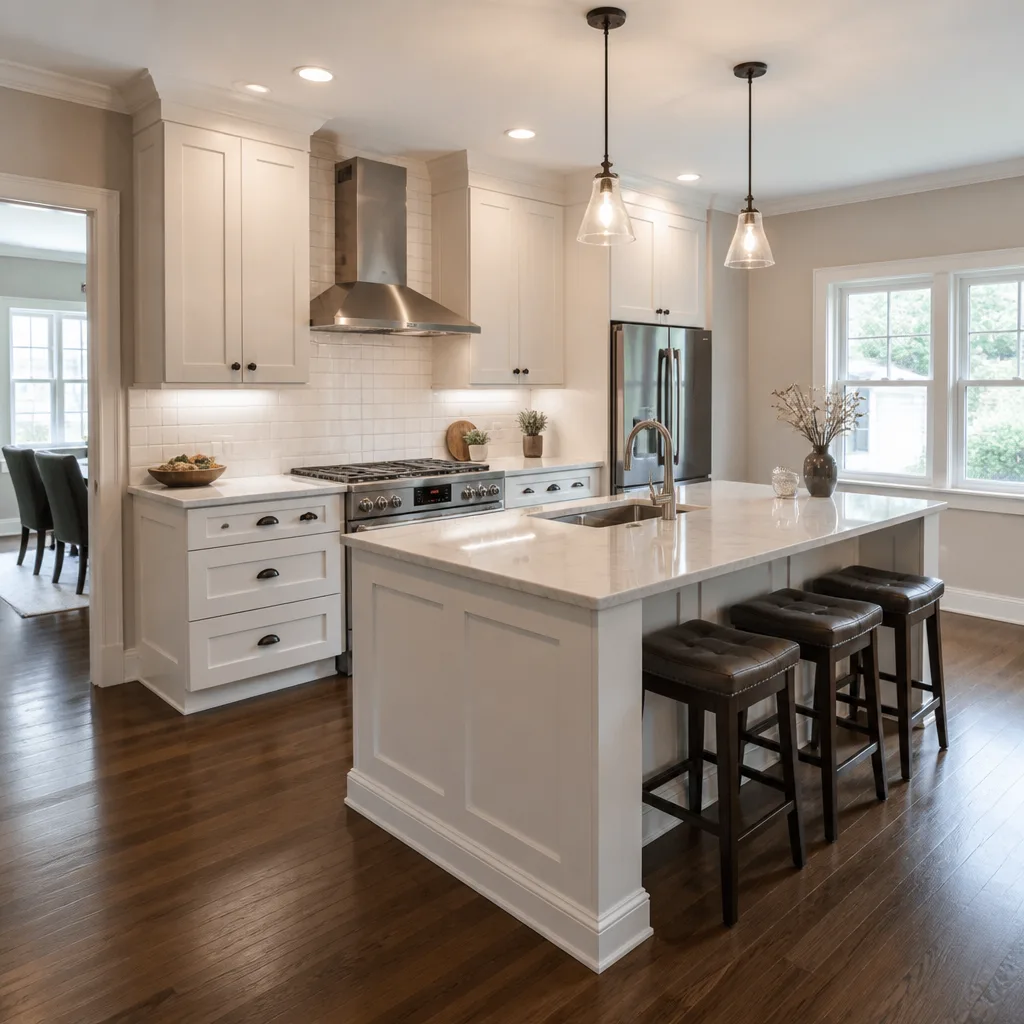
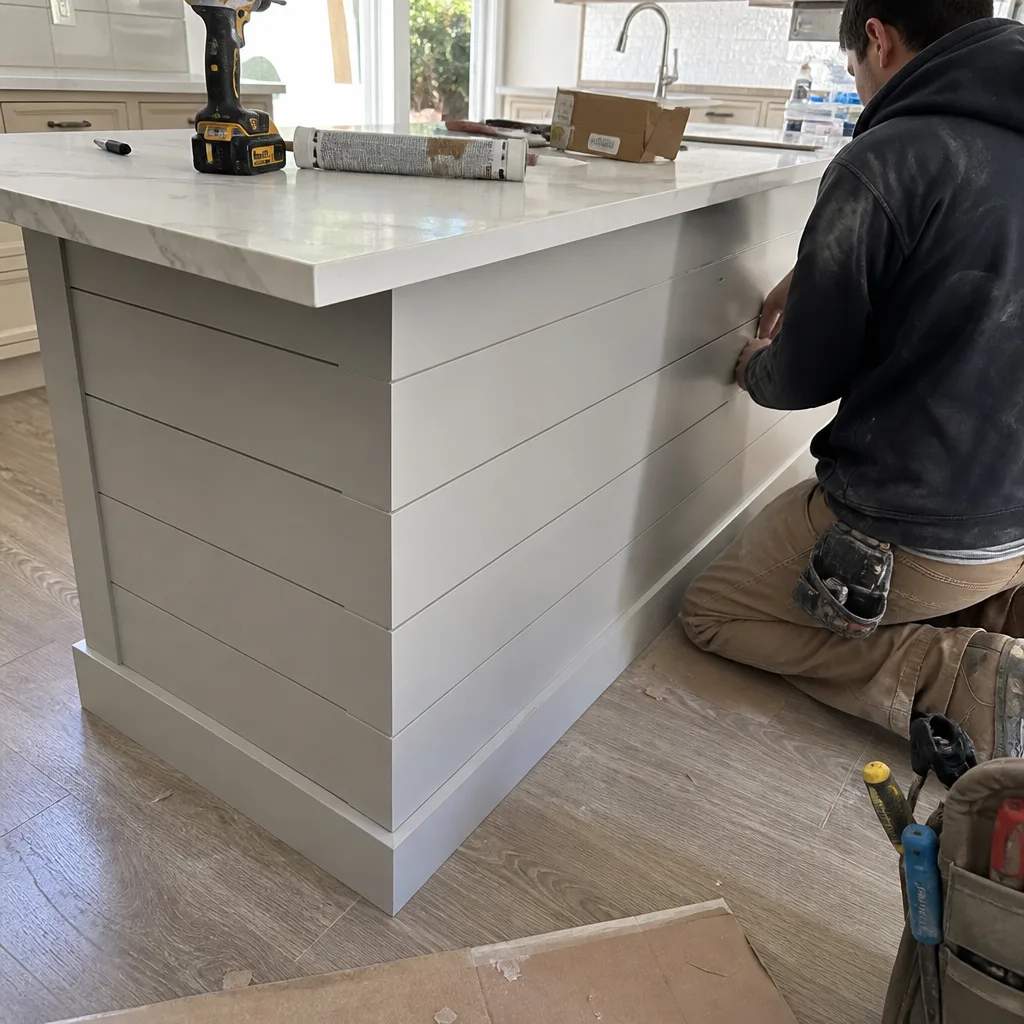
For Kitchen Remodeling in Cupertino, this dynamic is particularly acute. Cabinet installation, electrical for appliances, and plumbing for sinks and gas lines all require permits. A homeowner who installs IKEA cabinets and reroutes a gas line without permits may face $8,000 to $18,000 in retrofit costs - against a typical licensed kitchen remodel starting at $35,000 with permits included.
Where DIY Is Genuinely Appropriate in Cupertino
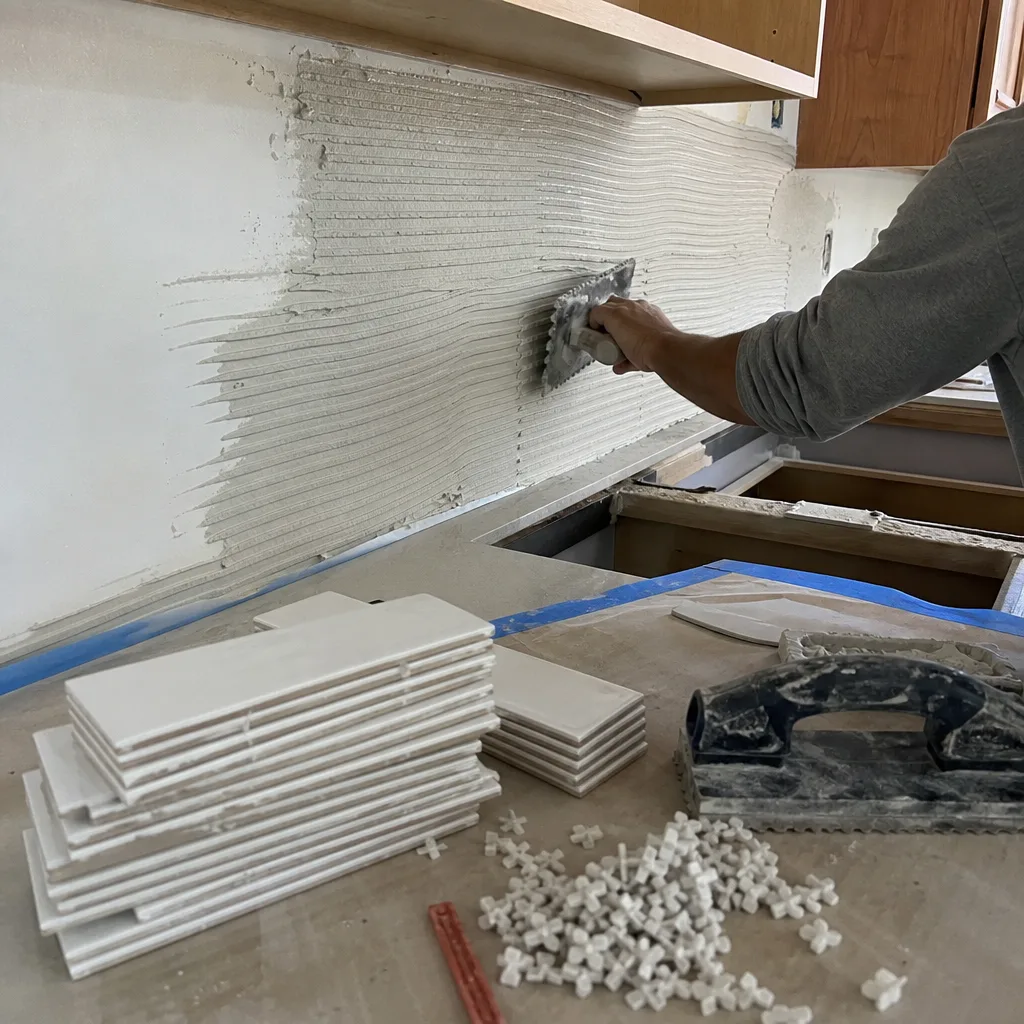
DIY is not categorically wrong. It is categorically wrong for permit-required, licensed-contractor scopes. Several residential construction tasks are appropriate for skilled homeowners, with clear boundary conditions. For year-round maintenance tips, see our Seasonal Construction Care for Cupertino: Year-Round Homeowner’s Guide:
Finish painting: Interior walls, ceilings, trim, and exterior siding in good condition. Boundary: do not paint over failing substrate (peeling paint, water damage, rotted wood) - this conceals rather than repairs, and inspectors will flag it. In Cupertino’s Mediterranean climate with wet winters and dry summers, exterior painting requires proper surface prep and moisture-resistant primer on south and west exposures.
Landscaping and hardscaping under certain thresholds: Planting, irrigation installation (low-voltage controllers only; 120V requires an electrician), and paver patios under 120 square feet that do not attach to the house foundation. Belgard and Techo-Bloc pavers are DIY-appropriate for simple patterns on well-prepared base. Boundary: retaining walls over 30 inches, concrete pours over 50 square feet, and any gas line for outdoor kitchens require permits and licensed trades.
Non-structural fixture replacement: Toilets, faucets, light fixtures on existing boxes, cabinet hardware, and door hardware. Boundary: if the replacement reveals deteriorated substrate, improper original installation, or requires new supply lines or electrical runs, stop and call a professional.
Minor trim and finish carpentry: Baseboards, crown molding in non-structural applications, and interior door replacement in existing openings. Boundary: do not modify door headers or wall framing; if the opening is not plumb or the header is inadequate, structural repair is required.
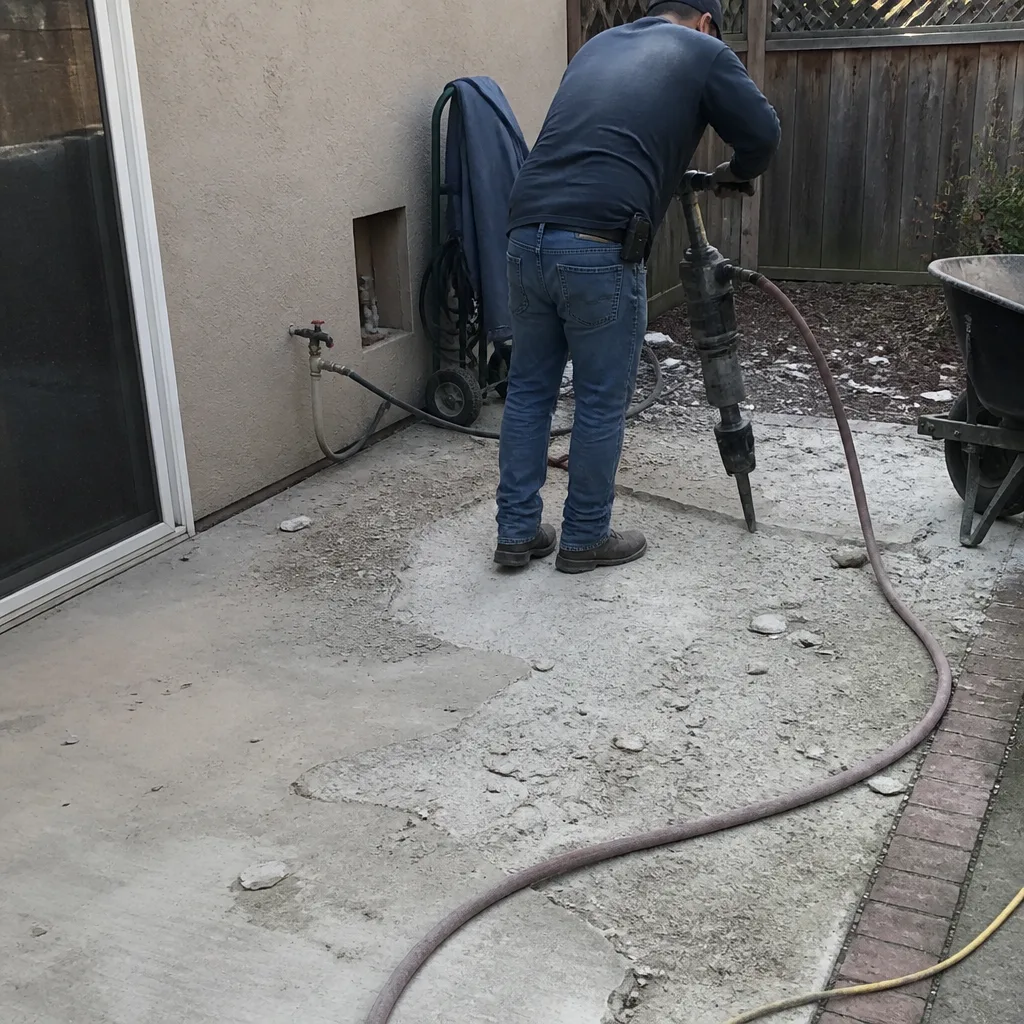
Demolition of non-structural elements: Removing cabinets, non-load-bearing partitions, and finish materials. Boundary: verify walls are non-load-bearing before removal - in Cupertino’s ranch and split-level homes, interior walls often carry roof or second-floor loads. When in doubt, a structural engineer’s letter costs $400 to $800 and prevents $10,000+ in damage.
Even in appropriate DIY scopes, material quality matters. We have seen homeowners install premium Cambria quartz countertops on self-built cabinets that lacked proper support spacing, resulting in cracking within 18 months. The countertop warranty was void due to improper installation conditions. DIY is not an excuse to ignore manufacturer specifications. After any kitchen project, follow our Kitchen Remodeling Maintenance Checklist for Cupertino Homeowners to protect your investment.
How to Evaluate a Contractor Bid Against DIY Correctly
The correct comparison is total project cost including risk-adjusted future liability, not sticker price against material receipt. Here is the framework we use when homeowners bring us competitor estimates for our Free Second Opinion:
- Verify permit inclusion. Does the bid explicitly state permit costs, or bury them in “administrative fees”? A legitimate bid names the permit fee or states “permit fees as billed by city.” In Cupertino, a kitchen remodel permit runs $800 to $1,800; a home addition permit can exceed $3,000. Bids without permit line items are incomplete.
- Check material specifications by brand and model. “Cabinets: $8,000” is not a specification. “KraftMaid Maple Square Recessed Panel, soft-close hinges, specified finish” is. Vague material lines allow substitution to lower-grade products. At Rowan, every quote names the brand, line, and finish - because Clause 1 of the Haven Standard requires the written price to match the written scope.
- Confirm warranty terms in writing. What is covered, for how long, and what triggers it? Handshake warranties are unenforceable. Our 365-Day Done Right Promise is printed on every page and backed by a terms page - not an asterisk.
- Request documentation protocol. Will you receive photos of conditions found, work in progress, and completed installation? Is this included or an upgrade? Our documented photo record is standard on every visit - not optional, not extra.
- Analyze change order discipline. How does the contractor handle scope changes? At Rowan, no work proceeds on a change until the change order is signed. This is the administrative discipline Haven acquired us for, and it is why our projects finish within a few percent of the agreed price. Ask competitors: “What was your average change order as a percentage of original contract last year?” Most cannot answer.
- Calculate time cost honestly. A DIY kitchen remodel consuming 120 hours across 6 weekends is not free labor. At $75 per hour effective rate (conservative for Cupertino household income), that is $9,000 in time value. Add tool rental, material waste from inexperience (typically 10-15% overage), and the value of kitchen downtime.
For Bathroom Remodeling in Cupertino, the DIY time cost is particularly severe. A professional crew completes a hall bath in 5 to 7 working days. A homeowner working weekends typically needs 6 to 10 weeks, during which the bathroom is unusable. For households with one bathroom, this is not abstract - it is a quality-of-life calculation.
Cupertino Permits: What Triggers Them and What They Cost
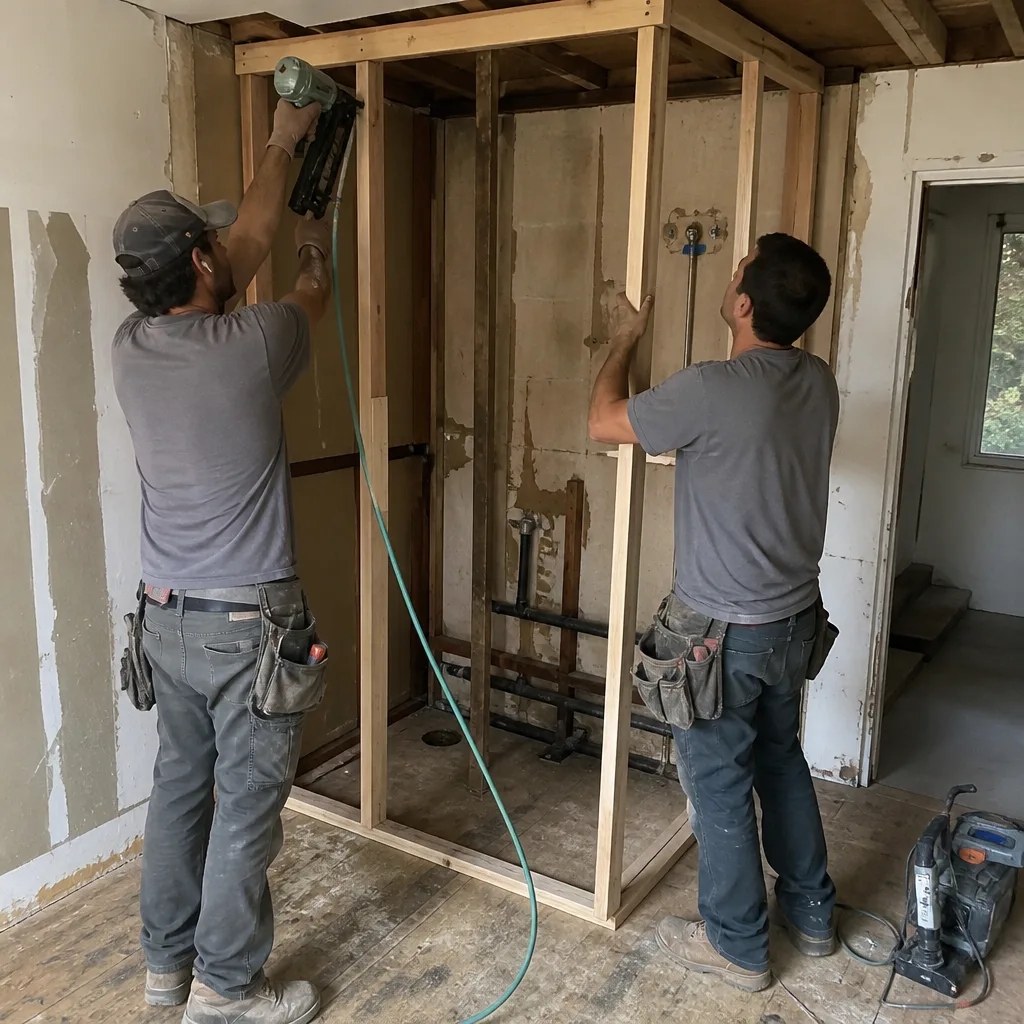
Cupertino’s Community Development Department processes permits through the Online Permit Center. Understanding what triggers a permit helps homeowners identify the DIY boundary before starting work.
Over-the-counter permits (same day): Water heater replacement (like-for-like), electrical service upgrades with no panel relocation, and roofing repairs under 100 square feet. Even these require licensed contractors for the work itself.
Plan check required (2-8 weeks): Kitchen and bathroom remodels with layout changes, window and door replacements altering openings, additions and ADUs, and structural modifications. Plan check fees are 65% of permit fee, non-refundable if rejected.
Typical Cupertino permit fees:
- Bathroom remodel (no layout change): $350-$650
- Bathroom remodel (layout change): $800-$1,400
- Kitchen remodel: $1,200-$2,200
- Room addition (500 sq ft): $2,800-$4,500
- ADU (detached, 750 sq ft): $4,500-$7,500
- Electrical panel upgrade: $280-$450
- Roofing replacement (2,000 sq ft): $850-$1,400
These fees do not include plan check, inspection re-check fees ($150-$250 per failed inspection), or potential requirement for engineered drawings ($800-$2,500). The city requires Title 24 energy compliance documentation for all enclosed space additions, prepared by a certified energy consultant - another cost DIYers rarely anticipate.
Cupertino participates in regional code adoption; the city amended to the 2022 California Building Code in 2023 with local amendments for hillside construction and seismic bracing in the foothill zones west of I-280. Homes in Monta Vista, Rancho Rinconada, and the foothill areas above Stevens Canyon Road face additional structural requirements that make DIY structural work particularly inadvisable.
Insurance Gaps and Liability Exposure
Homeowners insurance policies contain standard exclusions for damage arising from unpermitted work or work performed by unlicensed individuals. The exclusion is not always explicit; it is often buried in “faulty workmanship” or “known defects” language. The practical effect: if your DIY electrical work contributes to a fire, the insurer may deny the claim entirely, or cover only the resulting damage while excluding the repair of the faulty work itself.
Liability exposure extends beyond your own property. If unpermitted work injures a visitor, a worker, or damages a neighbor’s property, your personal liability coverage may be contested. Licensed contractors carry general liability and workers’ compensation insurance; their policy responds first. DIY homeowners rely on their personal policy, which was not priced for construction risk.
For Roofing in Cupertino, the insurance gap is stark. A homeowner who self-installs roofing without a C-39 license and without permit faces:
- Manufacturer warranty voidance (most shingle warranties require certified installer registration)
- Homeowners insurance non-renewal or exclusion for roof-related claims
- Personal liability if the roof fails and damages interior contents or injures someone
- No recourse against oneself for faulty installation
GAF and Owens Corning, both brands we install, offer enhanced warranties - Golden Pledge and Platinum Protection respectively - that require factory-certified contractors. DIY installation receives only the base material warranty, which covers manufacturing defects but not installation errors. In Cupertino’s climate with occasional high winds and winter rain, installation quality determines roof performance more than shingle grade.
Common Mistakes to Avoid
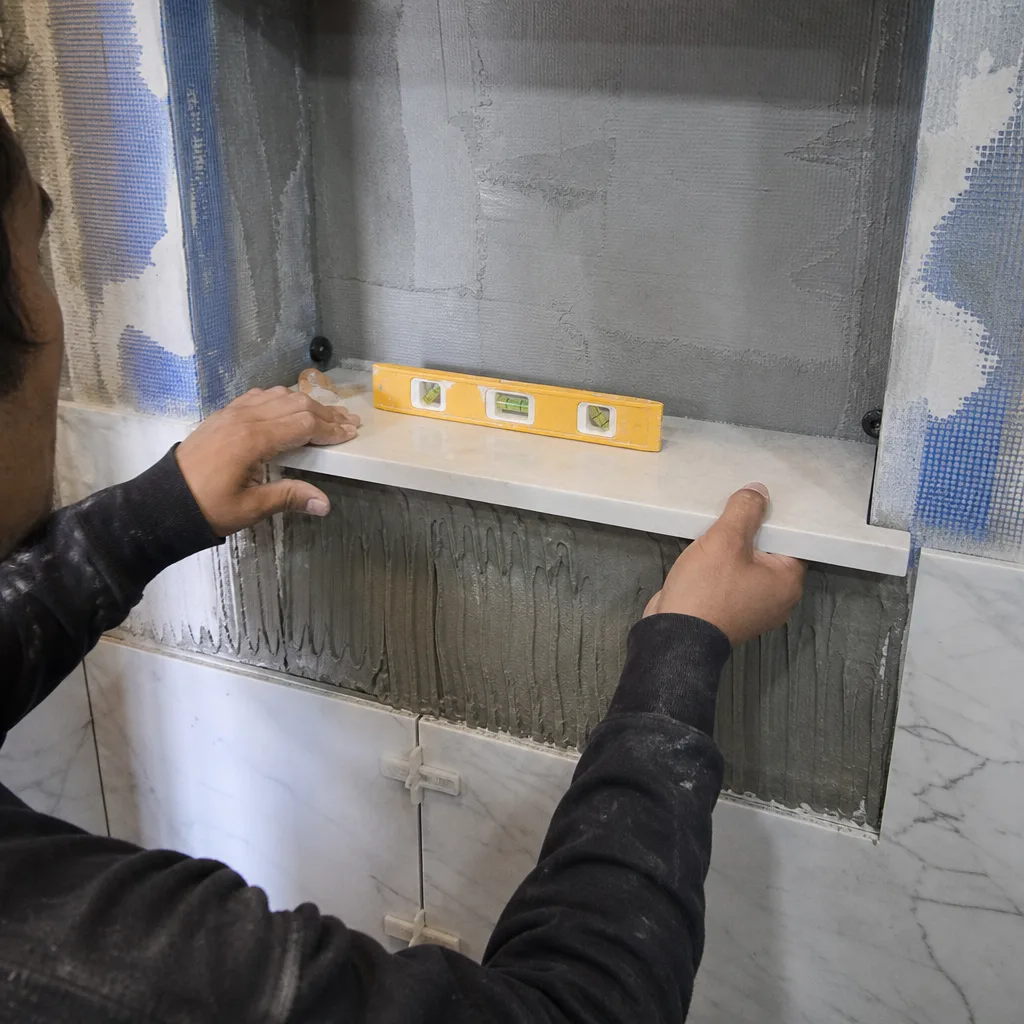
- Assuming “I own the house, I can do what I want.” Property ownership does not override building codes, licensing laws, or insurance contract terms. The CSLB actively investigates complaints and can issue stop-work orders.
- Believing permits are “just a revenue grab.” Permits trigger inspection protocols that catch life-safety errors - improper electrical grounding, inadequate structural connections, fire-blocking omissions. In Cupertino’s 1970s housing stock, we regularly find original construction that would not meet current code; permits ensure improvements do not compound the problem.
- Thinking disclosure obligations expire. California’s statute of limitations for construction defects is 10 years, but disclosure obligations for known unpermitted work are current and ongoing. A seller who “forgets” unpermitted work faces fraud claims.
- Comparing contractor bid to material cost alone. This ignores permit value, warranty value, time value, and risk-adjusted future cost. The accurate comparison is total lifecycle cost, not checkout receipt to contract price.
- Starting “simple” work that reveals complexity. Replacing a bathroom vanity becomes a plumbing relocation. Removing kitchen soffits reveals structural beams that cannot be cut. Budget 20% contingency and know when to stop.
- Trusting online tutorials for code-specific work. YouTube electricians work in jurisdictions with different codes. Cupertino’s amendments to California codes are not reflected in generic content. What passes in Texas fails here.
- Assuming buyers won’t check. In Cupertino’s market, buyers have resources and incentive to verify. A $10,000 permit gap can drive a $50,000 price reduction or kill a deal in a multiple-offer situation.
When to Call a Professional
Call a licensed contractor when the scope requires a permit, involves licensed trades, affects structural or life-safety systems, or when the cost of error exceeds the cost of professional work. In Cupertino specifically, call when hillside conditions, seismic requirements, or local amendments complicate standard practice.
Rowan Construction Group Cupertino offers free estimates in Cupertino - call (669) 202-9618. We deliver a written price before any work starts, every time, on every trade. Bring a competitor’s written estimate and we will review it line by line at no charge. Our 365-Day Done Right Promise, backed by The Haven Standard, means if it is not done right, we make it right - with the guarantee printed on every page, not hidden in fine print.
Frequently Asked Questions
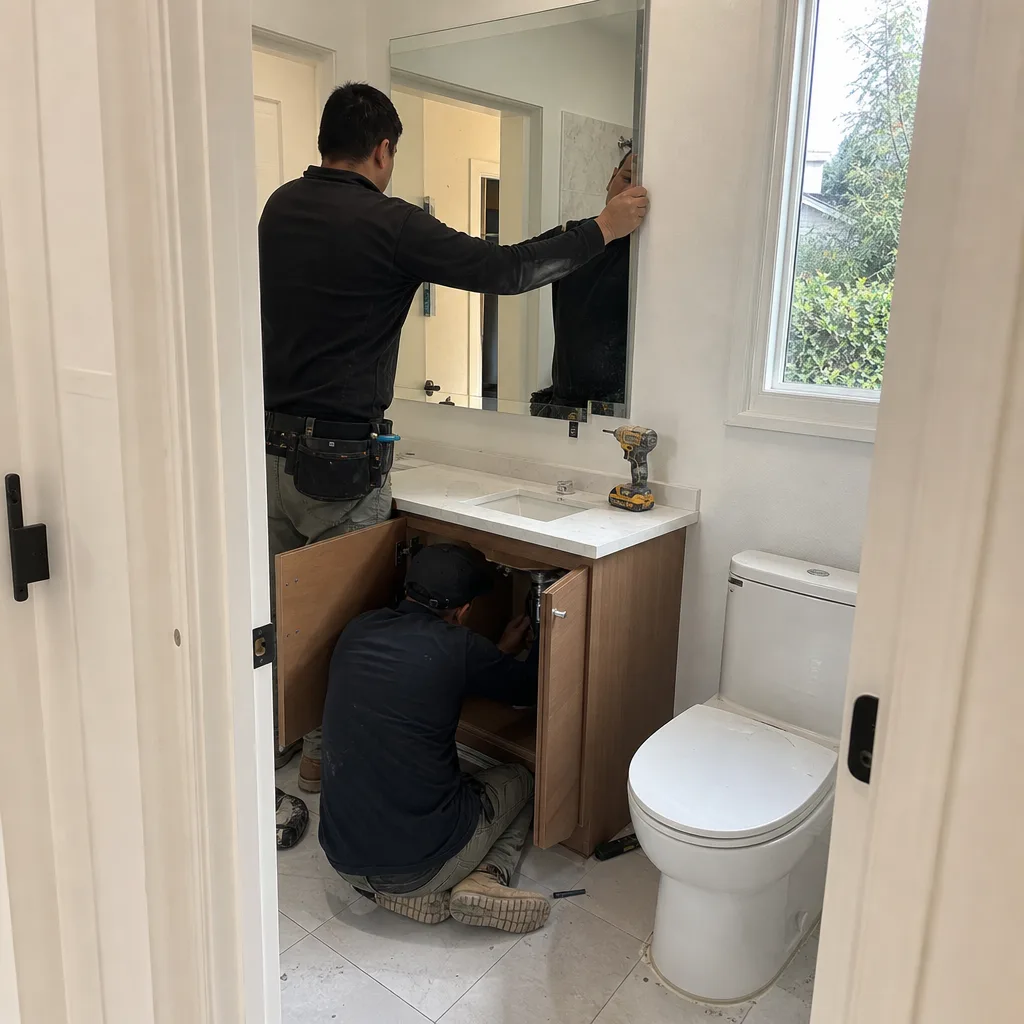
Legalizing unpermitted work in Cupertino typically costs $4,200 to $15,000 depending on scope, with electrical panel retrofits averaging $4,200 to $7,800 and kitchen or bathroom additions running $8,000 to $18,000. This includes as-built drawings, permit fees, inspection openings, and correction of code violations. Call (669) 202-9618 for an exact quote on your specific situation - estimates are free.
California allows owner-builder permits for single-family residences, but the homeowner assumes all contractor responsibilities: hiring and supervising licensed subcontractors for electrical, plumbing, and HVAC; scheduling inspections; and complying with workers’ compensation and liability insurance requirements. The permit is in your name, and violations attach to your property record. Most Cupertino homeowners find the administrative burden exceeds savings, particularly for projects requiring plan check.
Not always, but the risk is unacceptably high in Cupertino’s market. Specialized inspectors check permit history against visible work as standard practice. Digital records extend to the early 1990s, and title companies search them. The penalty for discovery - offer reduction, deal termination, or forced legalization - far exceeds the original cost of permitted professional work. Call (669) 202-9618 to discuss permit strategy for your project.
Search the CSLB website (cslb.ca.gov) by license number or business name. Verify the license is active, the classification matches your project (B-General for multiple trades, C-specific for single trades), and the workers’ compensation coverage is current. Rowan Construction Group’s license number appears on every page of our site and every proposal we issue - every crew member is verified before they arrive.
Interior painting with proper prep, landscaping with native drought-tolerant plants appropriate to Cupertino’s climate, cabinet hardware and fixture updates on existing infrastructure, and closet organization systems. These improve daily function and visual appeal without triggering permit, licensing, or insurance complications. Avoid any scope that alters structural, electrical, plumbing, or HVAC systems.
We do not offer in-house financing, but we provide detailed written quotes that homeowners can present to lenders, HELOC providers, or renovation loan programs. Our line-item documentation - material brands specified, labor hours estimated, permit fees named - satisfies underwriting requirements that vague estimates cannot. The written price before any work starts includes everything needed for loan application.
The Bottom Line
The DIY-versus-professional decision in Cupertino is a legal and financial calculation, not a test of skill or enthusiasm. California law draws clear lines at electrical over 100 amps, structural work, HVAC, and plumbing beyond fixtures. Crossing those lines without a license creates disclosure obligations, insurance gaps, and resale liabilities that compound over time. For appropriate DIY scopes - painting, landscaping, fixture swaps, minor trim - material quality and manufacturer specifications still matter. For everything else, the total cost of professional work including permits, warranties, and documented compliance is lower than the retroactive cost of bringing unpermitted DIY into compliance. Measure twice, permit once, and know which side of the line your project falls on before the first tool comes out. Browse our more guides & resources for Cupertino homeowners.
Written by Grant Rowan, Owner at Rowan Construction Group Cupertino home, serving Cupertino since 2007.