
Last updated September 25, 2026
Free written scope consultation - allowances, timeline, and change-order rules on paper before a single trade is scheduled







 Before
 After
After Before
 After
After Before
 After
AfterSeasonal Construction Care for Cupertino: Year-Round Homeowner’s Guide
Most Cupertino roof leaks that show up in January started as a flashing gap that was accessible and patchable in October for under $200. By the time water stains the ceiling, that same repair runs $2,800-$4,500 once interior damage, insulation replacement, and drywall repair are included. Cupertino’s Mediterranean climate - 15 to 20 inches of rain packed into four winter months, followed by eight months of dry heat topping 90°F - creates a predictable damage cycle that rewards homeowners who inspect on schedule and punishes those who wait for visible symptoms. This guide maps that rhythm to specific tasks, measurable pass/fail criteria, and the dollar consequences of deferral, and points to more guides & resources for year-round home care.
Quick Answer
Seasonal construction care in Cupertino means inspecting roof flashing, gutter pitch, and foundation drainage in October before the rainy season; checking caulk joints and wood trim for heat damage in April after the dry season; and measuring crack dimensions in hardscape and stucco in both seasons to catch seismic-related expansion before it widens. For a deeper look at local requirements, see The Complete Guide to Construction in Cupertino. A homeowner who follows this schedule spends $400-$800 annually on preventive maintenance and avoids the $5,000-$15,000 repairs that deferred maintenance produces in this climate.
Table of Contents
- The October-November Pre-Rain Checklist: What to Inspect Before the First Storm
- What Cupertino’s Dry Season Heat Does to Your Home’s Envelope
- Seismic Activity Meets Seasonal Expansion: Measuring and Monitoring Cracks
- Cupertino’s Vegetation Pressure: Oak, Eucalyptus, and Root System Damage
- Building a Maintenance Log That Protects Your Investment
- The Real Cost of Deferral: Cupertino Repair Price Ranges
- Common Mistakes to Avoid
- When to Call a Professional
- Frequently Asked Questions
 Before
 After
AfterThe October-November Pre-Rain Checklist: What to Inspect Before the First Storm
Cupertino’s rainfall arrives concentrated. Between November and March, the city receives nearly all of its annual precipitation, often in sustained multi-day systems that test every weak point in a home’s exterior. The inspection window closes fast - once the rains start, roof surfaces are unsafe to walk and gutter conditions are obscured by debris flow.
We schedule our exterior inspection crews through October and the first two weeks of November. Here’s the pass/fail criteria we use, which any homeowner can replicate from the ground or with a ladder:
- Roof flashing at penetrations and valleys. Look for lifted edges, gaps where caulk has separated, or rust on metal flashing. Pass: all edges lie flat, sealant is continuous, no daylight visible from the attic during daytime. Fail: any gap wider than 1/8 inch, any rust-through, any lifted corner. In Cupertino’s Monta Vista and Rancho Rinconada neighborhoods, we see accelerated flashing corrosion from the marine layer that sits overnight in December and January - the moisture salts metal even without rain.
- Gutter pitch and downspout flow. Pour a bucket of water into each gutter section. Pass: water flows to the downspout within 30 seconds, no standing water remains, downspout discharges 6+ feet from the foundation. Fail: water pools, overflows the edge, or discharges against the foundation. Many Cupertino homes built in the 1960s-1980s have original gutters with inadequate slope - a 1/4 inch per 10 feet is the minimum functional pitch.
- Window and door weep holes. These small drainage openings at the bottom of vinyl and aluminum window frames clog with dust and spider webs during the dry season. Pass: light passes through, a toothpick inserts easily. Fail: blocked, or water stains visible below the window on the stucco. Blocked weep holes force water into the wall cavity - we’ve opened walls in Cupertino’s Oak Valley neighborhood where the framing was black with mold from this single failure.
- Foundation drainage and grade. The soil should slope away from the foundation at 6 inches of drop over 10 feet. Pass: no water pooling against the foundation during heavy irrigation or rain, no efflorescence (white mineral deposits) on the concrete. Fail: reverse grade, visible water staining, or efflorescence. Cupertino’s clay-heavy soils in the foothill zones - particularly near Stevens Creek Boulevard and the slopes above Highway 85 - expand when saturated and exert lateral pressure on foundation walls.
- Exterior caulk joints at trim and siding. Pass: continuous bead, adheres to both sides, no cracking or separation. Fail: any gap longer than 2 inches, any section that pulls away with light finger pressure. James Hardie fiber-cement siding, common on Cupertino homes built after 2000, requires specific joint sealant - generic silicone often fails within 18 months on this substrate.
The cost of this inspection round is time and perhaps $80-$150 in caulk, gutter screws, and flashing sealant. The cost of missing a failed item runs from $2,800 for interior water damage repair to $15,000+ for foundation drainage correction.
What Cupertino’s Dry Season Heat Does to Your Home’s Envelope
From June through September, Cupertino averages 30-40 days above 85°F and 10-15 days above 90°F. The Santa Clara Valley’s inland position means these temperatures arrive with low humidity and intense UV - conditions that degrade materials differently than the humid heat of the East Coast or the Gulf Coast.
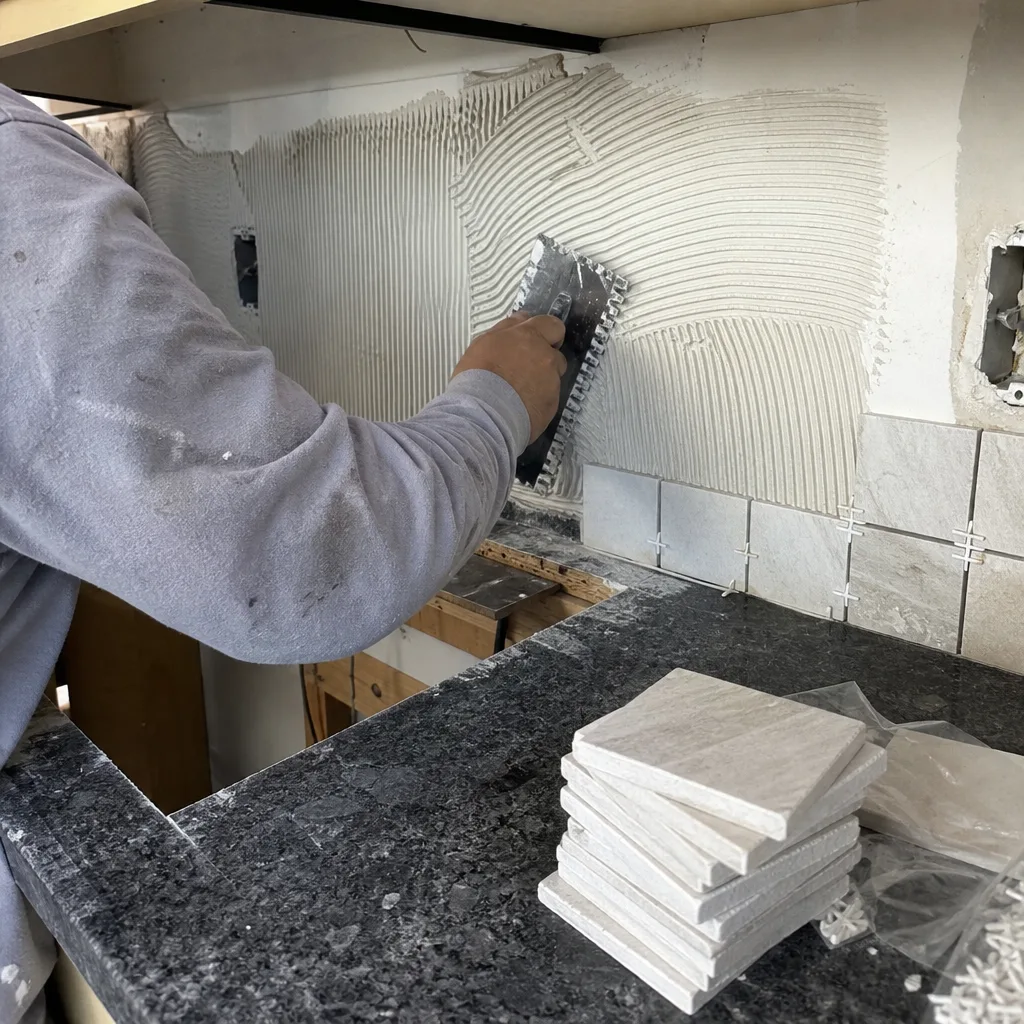
Caulk and sealant failure. Acrylic latex caulk, common in homes built before 2010, shrinks and hardens in this cycle. By year three, it’s often cracked through. Silicone and polyurethane formulations last longer but still require inspection. We check caulk in April, after the last rains and before the heat intensifies - the ideal repair window. Re-caulking a typical Cupertino home’s window and door perimeter runs $350-$600 in materials and labor; water intrusion repair from failed caulk runs $1,800-$4,000.
Wood trim and fascia degradation. South- and west-facing trim takes the worst UV exposure. We look for checking (fine surface cracks), cupping (edge curling), and end-grain opening. In the Rancho Rinconada area, where many homes have original redwood trim from the 1970s, we’ve replaced fascia boards that looked intact from the ground but were hollowed by dry rot where the end grain had opened to moisture intrusion during winter.
HVAC system strain. The dry season is when ductwork leaks become expensive. Cooled air escaping into a 140°F attic is pure loss. We recommend a duct pressure test every three years - a typical Cupertino home loses 20-30% of conditioned air to leaks. Sealing runs $800-$1,500; the alternative is a system that runs continuously and still doesn’t cool the bedrooms.
Hardscape and paver joints. Belgard and Techo-Bloc pavers, properly installed on a compacted base with polymeric sand, resist this heat well. But polymeric sand degrades after 5-7 years of this cycle, and weeds establish in the joints. The repair window is April-May: pressure-wash, re-sand, and seal before the heat sets. Defer, and the weeds lift the paver edge, creating trip hazards and drainage problems that require base reconstruction - $3,500-$7,000 versus $800-$1,200 for re-sanding.
Seismic Activity Meets Seasonal Expansion: Measuring and Monitoring Cracks
Cupertino sits on the Hayward Fault zone’s southern reach, and the region experiences continuous minor seismic creep - measurable ground movement that buildings must accommodate. This interacts with seasonal thermal expansion to widen existing cracks predictably.
Here’s what to measure and when:
- Stucco and drywall cracks. Mark the crack ends with pencil and date them. Measure width with a feeler gauge or crack monitor (available at hardware stores for $15). Record monthly from October through March, when thermal contraction is maximum. A crack that widens more than 1/16 inch during this period, or any crack exceeding 1/8 inch total width, warrants professional evaluation.
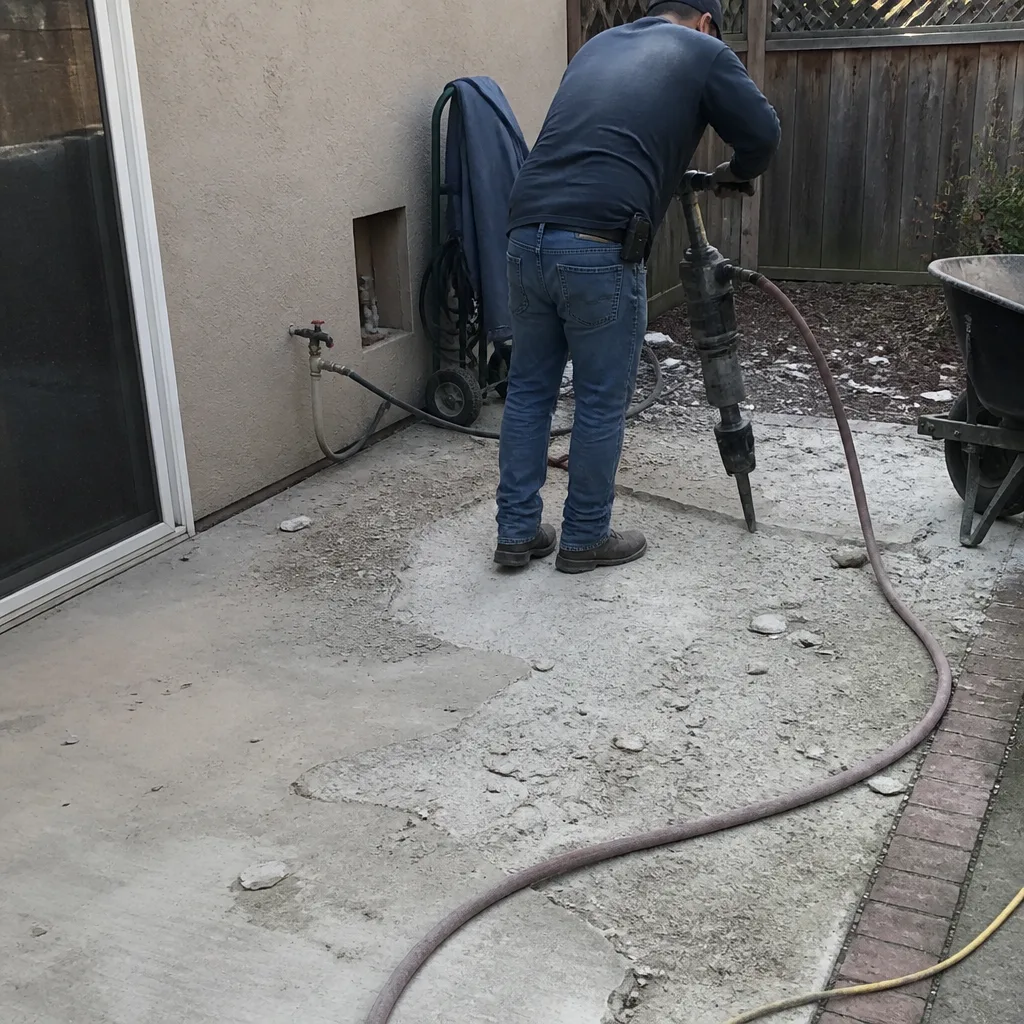
- Concrete slab and hardscape cracks. The combination of summer heat expansion and winter soil contraction from clay shrink-swell creates a sawtooth pattern in crack width. Measure at the same time monthly. A crack that lengthens by more than 2 inches in any 12-month period, or shows vertical displacement (one side higher than the other) exceeding 1/4 inch, indicates subgrade movement that won’t self-stabilize.
- Foundation perimeter. Use a laser level or water level to check slab elevation at the corners annually. Differential settlement - one corner lower than the opposite by more than 1/2 inch - requires structural assessment. In Cupertino’s foothill zones, particularly above 400 feet elevation where the soil is more fractured and less compacted, we see this pattern associated with seasonal groundwater fluctuation.
The key discipline is consistent measurement with dated records. A crack that a homeowner has tracked from hairline to 3/16 inch over 18 months tells a contractor exactly what they’re dealing with. A crack that “just appeared” forces exploratory investigation - and higher cost.
Under Clause 1 of the Haven Standard, we document every crack we evaluate with dated photos and measurements, delivered to the homeowner before we leave. This record becomes evidence for insurance claims if the crack progresses to structural damage, and for resale disclosure if the homeowner sells.
Cupertino’s Vegetation Pressure: Oak, Eucalyptus, and Root System Damage
Cupertino’s mature tree canopy - coast live oak, valley oak, and the remnant eucalyptus plantings from earlier agricultural use - creates specific construction maintenance issues that newer suburbs don’t face. These are slow-developing problems that become expensive when they’re finally visible.
Oak root systems and foundation slabs. Coast live oak roots extend 1.5 to 2 times the drip line diameter, typically 40-80 feet for mature specimens. They seek moisture and will grow under slabs where irrigation or plumbing leaks create a gradient. The roots themselves rarely crack concrete directly - the damage comes from differential soil moisture as the roots extract water, causing the clay to shrink and the slab to settle unevenly. In the older neighborhoods near McClellan Ranch Preserve, we’ve lifted and repoured slabs where oak roots had created 3-inch elevation differences across a 20-foot garage floor.
Prevention: maintain consistent soil moisture around the foundation (no intermittent flooding/drying), and install root barriers at time of hardscape installation - 18-inch depth minimum, rigid HDPE or metal, placed 5 feet from the trunk for mature trees.
Eucalyptus and sewer laterals. Eucalyptus roots are aggressive water-seekers and will enter clay sewer pipe through joints and cracks. The symptom is slow drains that worsen after rain, when groundwater pressure increases root flow into the pipe. A video inspection every 5 years, or any time drainage slows, identifies intrusion before the pipe collapses. Trenchless liner repair runs $4,500-$8,000; excavation and replacement after collapse runs $12,000-$20,000 in Cupertino’s tight lot configurations.
Surface root heave in hardscape. Oak roots growing beneath pavers or concrete lift the surface as they thicken. The repair window is when heave first appears - typically 1/2 to 1 inch - before the material cracks. We remove the affected section, prune the root (with arborist consultation for mature oaks), install a root barrier, and repour or re-lay. Defer, and the crack propagates, requiring full replacement of the connected surface.
Building a Maintenance Log That Protects Your Investment
A maintenance log serves two purposes that most Cupertino homeowners don’t consider until they need them: insurance claim documentation and resale disclosure support. California Civil Code Section 1102 requires sellers to disclose material defects - a documented history of monitored cracks, repaired leaks, and preventive maintenance demonstrates due diligence and reduces liability exposure.
Here’s the structure we recommend, based on the records that have successfully supported our clients:
- Annual inspection dates and findings. Date, weather conditions, inspector (self or professional), and photo numbers. Include the pass/fail criteria results from the October checklist.
- Crack monitoring data. Location, initial measurement date, width, length, and vertical displacement. Update quarterly for active cracks, annually for stable ones.
- Repair records with contractor documentation. Scope of work, written quote, final invoice, permit number if required, and photo record of completed work. For kitchen remodeling in Cupertino or any major project, this includes the signed change order log.
- Material specifications. Brand and product names for roofing, siding, windows, caulk, and sealants. When we install James Hardie siding or KraftMaid cabinets, the specific product line goes in the log - this matters for warranty claims and matching repairs.
- Professional evaluation reports. Structural engineer, geotechnical, or arborist reports, with consultant license numbers and dates.
Store digital copies in cloud storage with automatic backup, and keep one physical copy in a fire-safe box. The photo record is critical - our crews deliver 50-100 photos per project, organized by room or exterior elevation, with date stamps. This isn’t an upgrade; it’s standard under the Haven Standard, included in every project quote.
The Real Cost of Deferral: Cupertino Repair Price Ranges
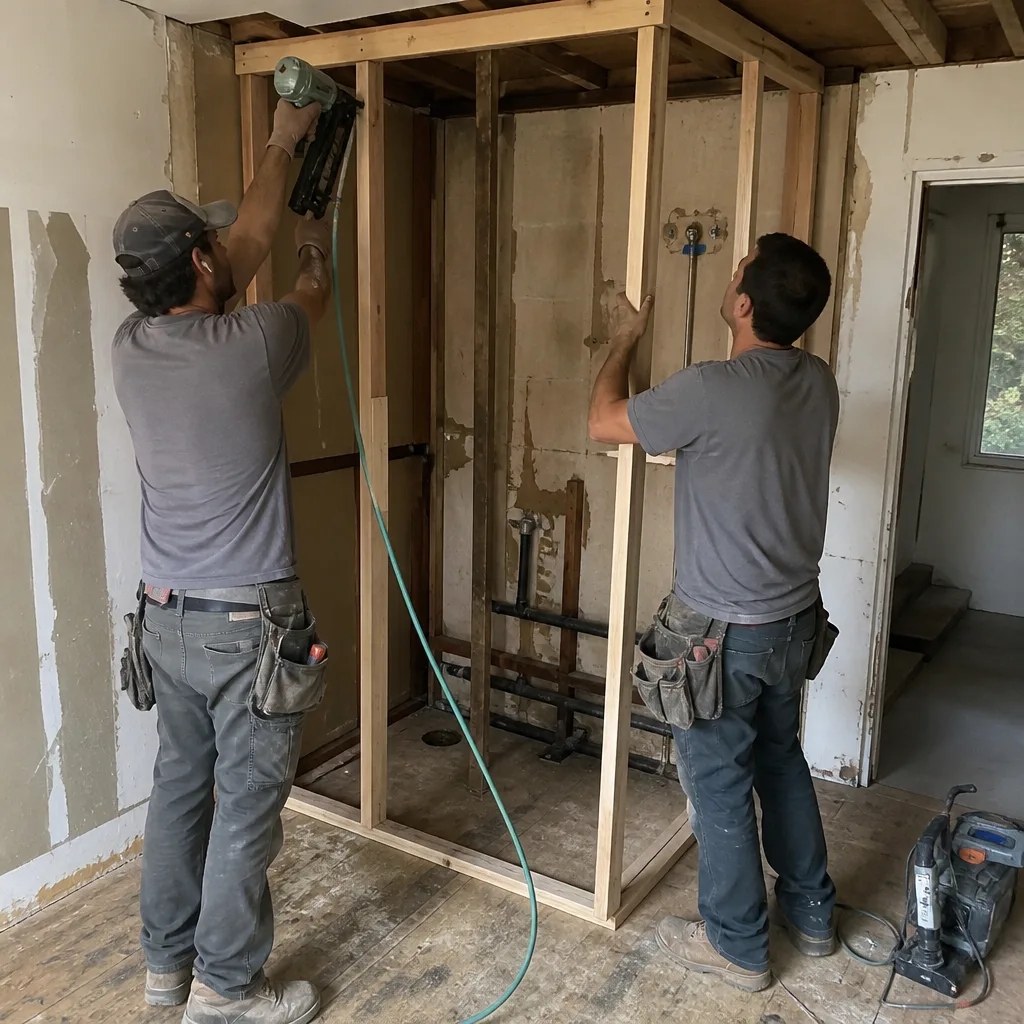
Here’s what preventive maintenance costs versus deferred repair in Cupertino’s current market, with detailed figures in our Construction Cost Breakdown: The Cupertino Homeowner’s Reference for 2026. These ranges reflect our 2024-2025 project data across 4,000-plus jobs, with written quotes delivered before work started in every case.
| Preventive Task | Cost Range | Deferred Repair | Cost Range |
|---|---|---|---|
| October roof flashing inspection and spot repair | $180-$340 | Interior water damage, insulation, drywall repair | $2,800-$4,500 |
| Gutter re-pitching and cleaning | $250-$450 | Foundation drainage correction, landscape erosion | $3,500-$7,000 |
| Window weep hole clearing and frame seal | $120-$280 | Wall cavity mold remediation, framing repair | $4,000-$8,500 |
| April caulk joint replacement (whole house) | $350-$600 | Water intrusion repair, siding replacement section | $1,800-$4,000 |
| Pavers re-sand and seal | $800-$1,200 | Base reconstruction, paver replacement | $3,500-$7,000 |
| Duct pressure test and seal | $800-$1,500 | HVAC system replacement (oversized from leakage) | $8,000-$15,000 |
| Crack monitoring and early structural eval | $400-$800 | Foundation underpinning or slab replacement | $15,000-$40,000 |
| Sewer video inspection | $350-$550 | Trenchless liner or excavation replacement | $4,500-$20,000 |
The pattern is consistent: preventive maintenance runs 5-15% of deferred repair cost. The discipline is timing - catching the problem in its accessible window, before secondary damage compounds the scope.
Common Mistakes to Avoid
- Waiting for visible water damage before inspecting the roof. By the time a ceiling stain appears in Cupertino, the leak has been active for weeks or months, and the repair scope has expanded to insulation, drywall, and potentially framing. Inspect in October, not January.
- Using interior paint to cover exterior stucco cracks. This traps moisture in the wall cavity and accelerates deterioration. Stucco cracks need elastomeric patching compound that bridges the crack and remains flexible; interior latex will fail in the first heat cycle.
- Ignoring gutter overflow as “just a heavy rain.” In Cupertino’s concentrated winter rainfall, gutters that overflow once will overflow again. The water is going somewhere - against the foundation, into the siding, or under the eaves. Each event causes incremental damage.
- Planting new trees within 15 feet of the foundation. The mature canopy is the goal, but the root system will follow. In Cupertino’s clay soils, this is a 20-year delayed problem that becomes a foundation repair. Plan for the full mature size, not the nursery pot.
- Skipping permits for “minor” work. Cupertino requires permits for roof replacement, window replacement (if the opening is modified), and any structural modification. Unpermitted work must be disclosed at sale and can trigger retrofit requirements. We pull permits on every job and pass inspection before final payment - it’s Clause 3 of the Haven Standard.
- Accepting verbal estimates for seasonal maintenance. A written price with scope documentation protects both parties. Our Free Second Opinion on any written estimate exists because we’ve seen too many homeowners surprised by “additional work” charges that weren’t in the original conversation.
- Measuring cracks once and forgetting them. A single measurement is nearly useless - you need the trend. The crack that was 1/32 inch in October and 3/32 inch in March is telling you something the static measurement cannot.
When to Call a Professional
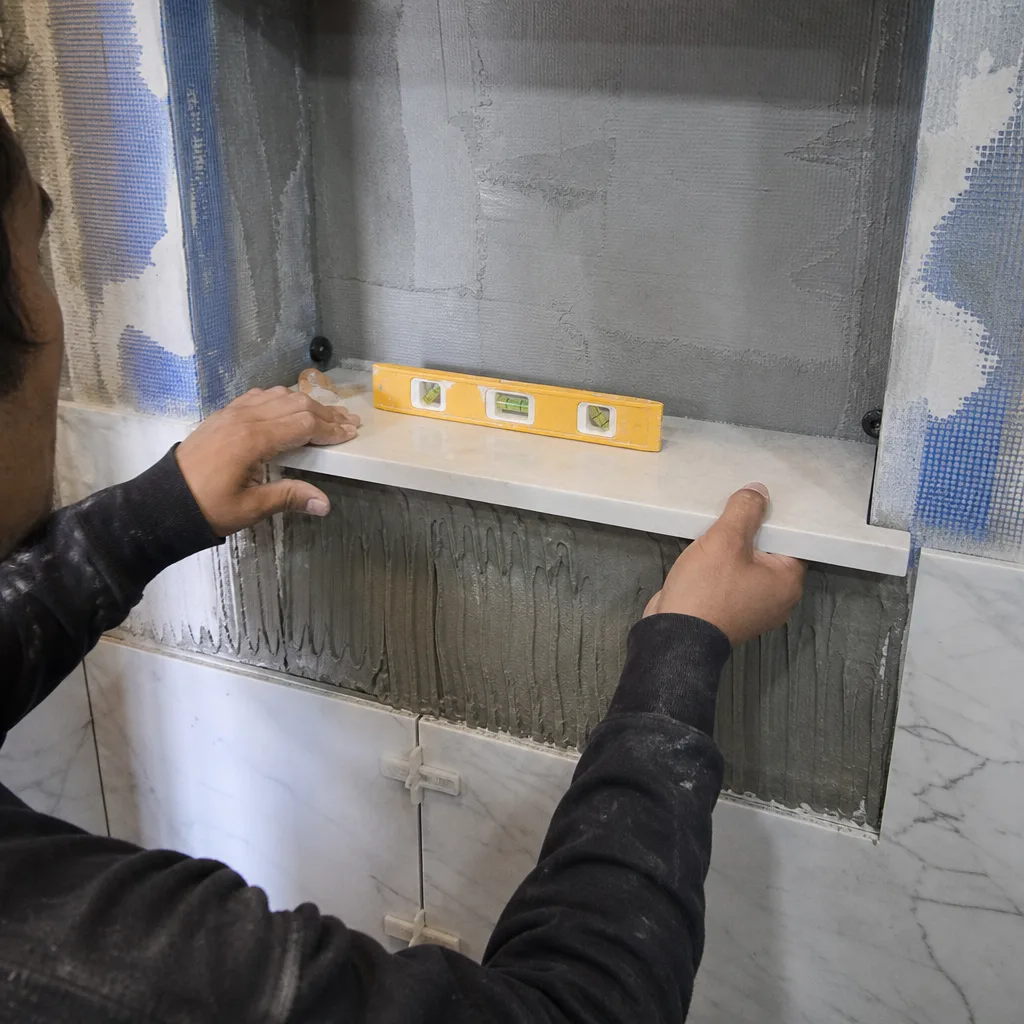
Some conditions require evaluation beyond homeowner capability: roof slope work without proper fall protection, electrical or gas line proximity to excavation, any crack with vertical displacement exceeding 1/4 inch, and mold remediation beyond 10 square feet. These are safety and regulatory thresholds, not suggestions.
Call when your inspection reveals any fail condition you cannot confidently pass, or when your maintenance log shows progression beyond the measurement thresholds in this guide. Roofing in Cupertino requires specific expertise for tile, composite, or flat membrane systems - each has distinct failure modes and repair protocols.
Rowan Construction Group Cupertino offers free estimates in Cupertino - call (669) 202-9618. Every estimate is a written price with scope documentation, delivered before any work starts, under Clause 1 of the Haven Standard. Bring a competitor’s written quote and we’ll review it line by line at no charge.
Frequently Asked Questions
A homeowner performing basic inspections themselves and hiring professionals for specialized tasks (roof, sewer, structural) should budget $800-$1,500 annually for a typical 2,000-square-foot home. This covers gutter cleaning, caulk replacement, crack monitoring, and periodic professional evaluations. Major systems like roof replacement or foundation drainage correction are capital expenses, not maintenance - they become necessary when maintenance is deferred. Call (669) 202-9618 for an exact quote on your property - estimates are free.
No work proceeds on a change until the change order is signed - this is the administrative discipline Haven acquired Rowan for, and the reason our projects finish within a few percent of the agreed price. The written quote you receive before work starts is the price you pay, unless you request additional scope and sign a change order documenting the new work and new price.
Pure maintenance - cleaning, caulking, crack monitoring - does not require permits in Cupertino. Roof repair under 100 square feet, gutter replacement on the same footprint, and window repair (not replacement) are typically exempt. Roof replacement, window replacement with opening modification, structural repair, and any new hardscape over 200 square feet require permits. For full details, see Construction Permits, Codes & Inspections in CA: What You Need to Know. We pull permits on every job that requires them and schedule inspection before final payment.
Cupertino sits slightly higher in elevation and closer to the Santa Cruz Mountains foothills, which means marginally more winter rainfall and more pronounced temperature variation between day and night. The marine layer influence is stronger than in inland San Jose, creating more overnight moisture that accelerates metal corrosion and wood decay. The clay soil content increases toward the foothills, amplifying the shrink-swell cycle that affects foundations and hardscape.
Written scope, written price, dated photo record, and warranty terms in writing. The photo record should show condition before work, progress during work, and completed work - organized and delivered, not promised. Our crews deliver this on every visit as standard, not as an upgrade. Ask to see a sample report before hiring.
Every three years for composition shingle roofs under 15 years old, annually for tile or flat membrane roofs, and annually for any roof over 20 years old. After any seismic event of magnitude 4.0 or greater within 10 miles, inspect for displaced tiles, shifted flashing, or new gaps. We document roof condition with photos and a written report - this becomes part of your maintenance log and supports insurance claims if storm damage occurs.
The Bottom Line

Cupertino’s Mediterranean climate creates a two-season maintenance rhythm: inspect and seal before the winter rains, inspect and repair after the summer heat. The homeowners who avoid five-figure surprises are those who treat October and April as non-negotiable inspection months, who measure cracks rather than glance at them, and who maintain documentation that serves them in insurance claims and resale. The cost of discipline is $800-$1,500 annually. The cost of deferral is visible in the $2,800-$40,000 repair ranges that fill our project log every January and September.
Rowan Construction Group Cupertino home | Bathroom Remodeling in Cupertino
Written by Grant Rowan, Owner at Rowan Construction Group Cupertino, serving Cupertino since 2007.