
Last updated September 25, 2026
Free written scope consultation - allowances, timeline, and change-order rules on paper before a single trade is scheduled






 Before
 After
After Before
 After
After Before
 After
AfterHow to Hire a Construction Contractor in Cupertino: A Step-by-Step Guide
The California Contractors State License Board shows license status, bond amount, and complaint history for every contractor in the state in under 60 seconds - yet fewer than one in five homeowners check it before signing a contract. In Cupertino, where median home values sit well above $2 million and even a modest kitchen remodel can touch six figures, that gap between verification and trust costs people tens of thousands in change orders, delays, and abandoned jobs. This guide - alongside our Complete Guide to Construction in Cupertino - sequences the actual steps that protect you, in the order they should happen: document verification first, people judgment second, contract signing last.
Quick Answer
Hiring a construction contractor in Cupertino starts with a 60-second CSLB license lookup to confirm active status and bond compliance, followed by insurance certificate verification, structured reference calls, and a written bid review before any contract is signed. The contractors who survive this filter are the ones worth meeting in person.
Table of Contents
- Step 1: Verify the CSLB License (Before You Call)
- Step 2: Read the Insurance Certificate Like a Claims Adjuster
- Step 3: Call References With Questions That Reveal Schedule and Cost Performance
- Step 4: Decode the Bid - Scope, Allowances, and Exclusion Traps
- Step 5: Structure the Contract Under California Law
- Step 6: The Site Visit and Final Vetting
- Common Mistakes to Avoid
- When to Call a Professional
- Frequently Asked Questions
 Before
 After
AfterStep 1: Verify the CSLB License (Before You Call)
Every legitimate contractor in California holds a license from the Contractors State License Board. The lookup takes under a minute at cslb.ca.gov, and it filters out more bad outcomes than any other single step. Here’s what the fields actually mean and why they matter in Cupertino’s market.
What to Check and How to Read It
- License Status: “Active” means the license is current and the contractor can legally contract for work. “Inactive” means they cannot - do not proceed. “Suspended” means a serious violation; this is an automatic disqualification.
- License Classification: A B-General Building Contractor can manage projects involving two or more unrelated trades (kitchen remodels, additions, whole-home work). A C-class specialty license covers only that trade - a C-36 Plumbing contractor cannot legally contract to install your cabinets. For a kitchen remodeling project in Cupertino, confirm the classification matches the scope.
- Bond Amount: California requires a $25,000 contractor bond. This is not insurance - it is a guarantee that funds exist to compensate homeowners for certain violations. If the bond shows less than $25,000, or if it is expired, the contractor is non-compliant.
- Workers’ Compensation Insurance: A “Workers’ Comp Exemption” flag means the contractor has no employees and carries no workers’ comp coverage. This is common for solo operators, but it creates liability exposure for you if they bring unreported day laborers onto your property. In Cupertino, where Silicon Valley professionals often carry umbrella liability policies, your own insurer may refuse a claim if uninsured workers are injured on your property.
- Complaint History: The CSLB shows disciplinary actions, not informal complaints. A single resolved complaint from five years ago is different from a pattern of recent citations. Read the detail - was it for abandonment, unlicensed activity, or a financial dispute?
- Business Name Match: The license must match the name on the business card, proposal, and contract exactly. A common evasion tactic is operating under a DBA that does not appear on the license. If “Cupertino Elite Builders” shows up but the license reads “J. Martinez Construction,” ask why - and get the answer in writing.
We have seen homeowners in Cupertino skip this step because a contractor came recommended by a neighbor or showed up promptly. Speed of response is not a credential. The CSLB record is.
Red Flags That End the Conversation
- License number not provided or “pending”
- License held by a different person than the one meeting you
- Recent suspension with vague explanation
- Bond expired within the last 30 days (a renewal lapse suggests administrative chaos)
Step 2: Read the Insurance Certificate Like a Claims Adjuster
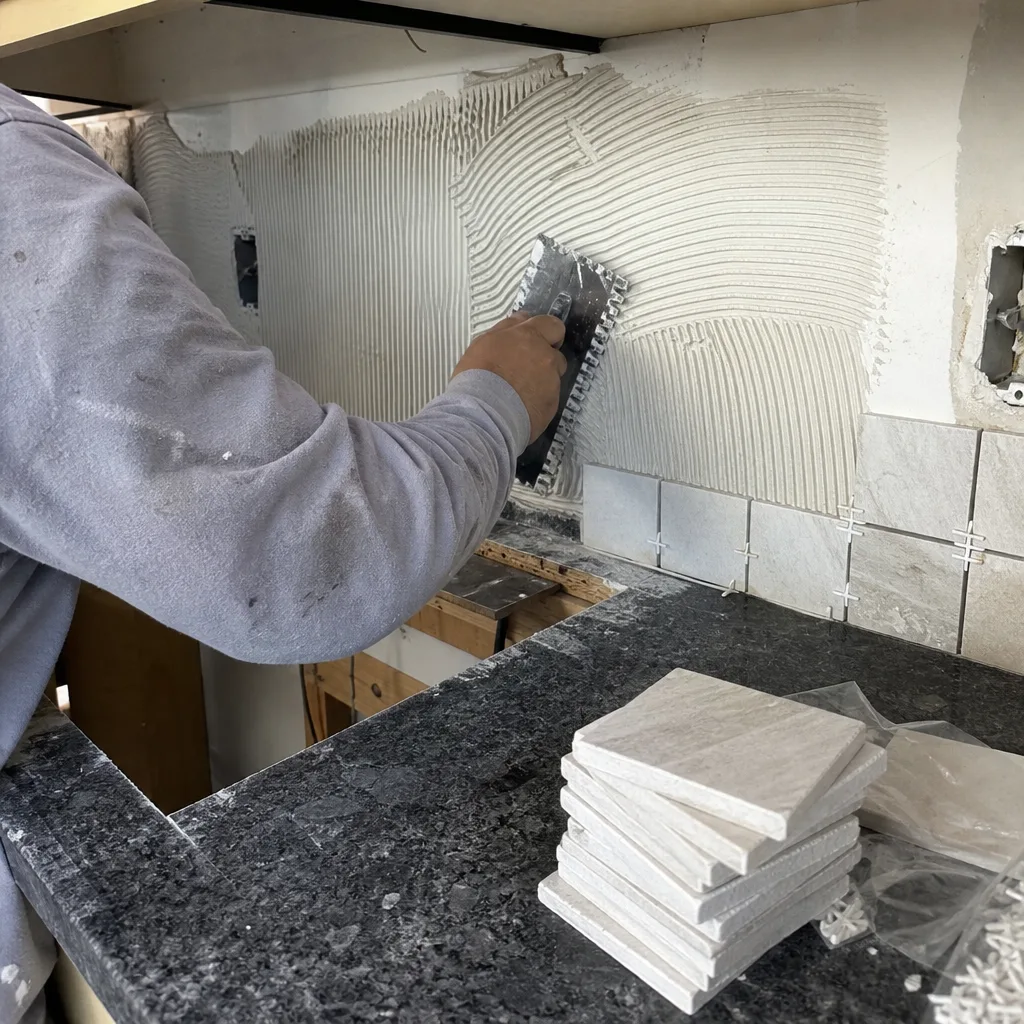
A Certificate of Insurance (COI) is easy to fake and easier to misunderstand. The piece of paper alone proves nothing - you need to verify what it describes.
Minimum Coverage Requirements
| Coverage Type | Minimum Requirement | What It Protects |
|---|---|---|
| General Liability | $1 million per occurrence / $2 million aggregate | Property damage and bodily injury to third parties |
| Workers’ Compensation | Statutory limits (varies by payroll) | Injury to workers on your property |
| Completed Operations | Included in general liability | Defects or failures after project completion |
The COI should name you as “Certificate Holder” and, for active projects, include you as “Additional Insured.” This ensures the insurer notifies you if the policy is cancelled. A contractor who resists adding you as Additional Insured is telling you something about their cancellation history.
How to Verify the Policy Is Current
- Call the insurance agent or broker listed on the COI - not the contractor. Confirm the policy number, effective dates, and coverage limits.
- Ask specifically whether the policy has been cancelled, lapsed, or had claims that affect renewal.
- Request a new COI dated within the last 30 days. Backdated or near-expiration certificates suggest the contractor let coverage lapse and renewed under pressure.
In Cupertino’s hills - particularly in neighborhoods like Monta Vista and Rancho Rinconada - steep lot access and tight setbacks increase the chance of property damage during delivery and excavation. A contractor with minimum liability coverage is underinsured for this terrain. We carry general liability well above state minimums because we’ve seen what happens when a crane truck clips a retaining wall on a hillside lot.
Why a COI Alone Is Not Enough
The certificate shows coverage existed on the date of issue. It does not show:
- Whether the premium was paid (a policy can be cancelled for non-payment after the COI is printed)
- Whether claims have exhausted the aggregate limit
- Whether the contractor has switched to a new insurer with weaker coverage
Verify directly with the insurer. The five minutes it takes has saved Cupertino homeowners from uncovered losses when a subcontractor’s ladder went through a plate-glass window or a trench collapse damaged a neighbor’s irrigation.
Step 3: Call References With Questions That Reveal Schedule and Cost Performance
Most reference calls waste everyone’s time. “Were you satisfied?” produces a yes from anyone who didn’t sue. The questions that matter are specific, numerical, and uncomfortable - the ones contractors hope you don’t ask.
The Reference Call Script
Ask for three references from the last 18 months: one current or recent, one completed 6-12 months ago, one from a project similar to yours. Then ask:
- “What was the original contract price, and what did you actually pay?” This reveals change order culture. A 5-10% overrun is normal for discovery items (dry rot, asbestos, code upgrades). A 30-50% overrun suggests systematic underbidding or vague scope.
- “When did the crew first arrive, and when was final inspection?” Compare this to the original schedule. Delays happen, but the pattern matters - was it one weather delay or a six-month slip because the contractor was juggling too many jobs?
- “How often did the principal or project manager visit the site?” In Cupertino, where many homeowners work in tech and cannot monitor daytime progress, absentee management means quality drift. We document every visit with a photo record - included as standard, not an upgrade - so the customer sees what happened even when they weren’t there.
- “What went wrong, and how was it resolved?” Every project has something. The reference who says “nothing” is either forgetful or unwilling to criticize. Listen for process: “The tile shipment was wrong, and they reordered at their cost” versus “We had to fight for three weeks.”
- “Would you hire them again for a project starting tomorrow?” This is the real test. Hesitation, qualifications, or “maybe for a smaller job” are answers.
What to Verify Independently
Check permit records through the City of Cupertino’s online permit portal. Enter the address and confirm the contractor pulled permits for the work described. Unpermitted work voids homeowners insurance, complicates resale, and in Cupertino’s strict enforcement environment, can trigger stop-work orders and fines. A contractor who suggests “we can save money by skipping permits” is proposing a felony under California Business and Professions Code 7028.
Step 4: Decode the Bid - Scope, Allowances, and Exclusion Traps
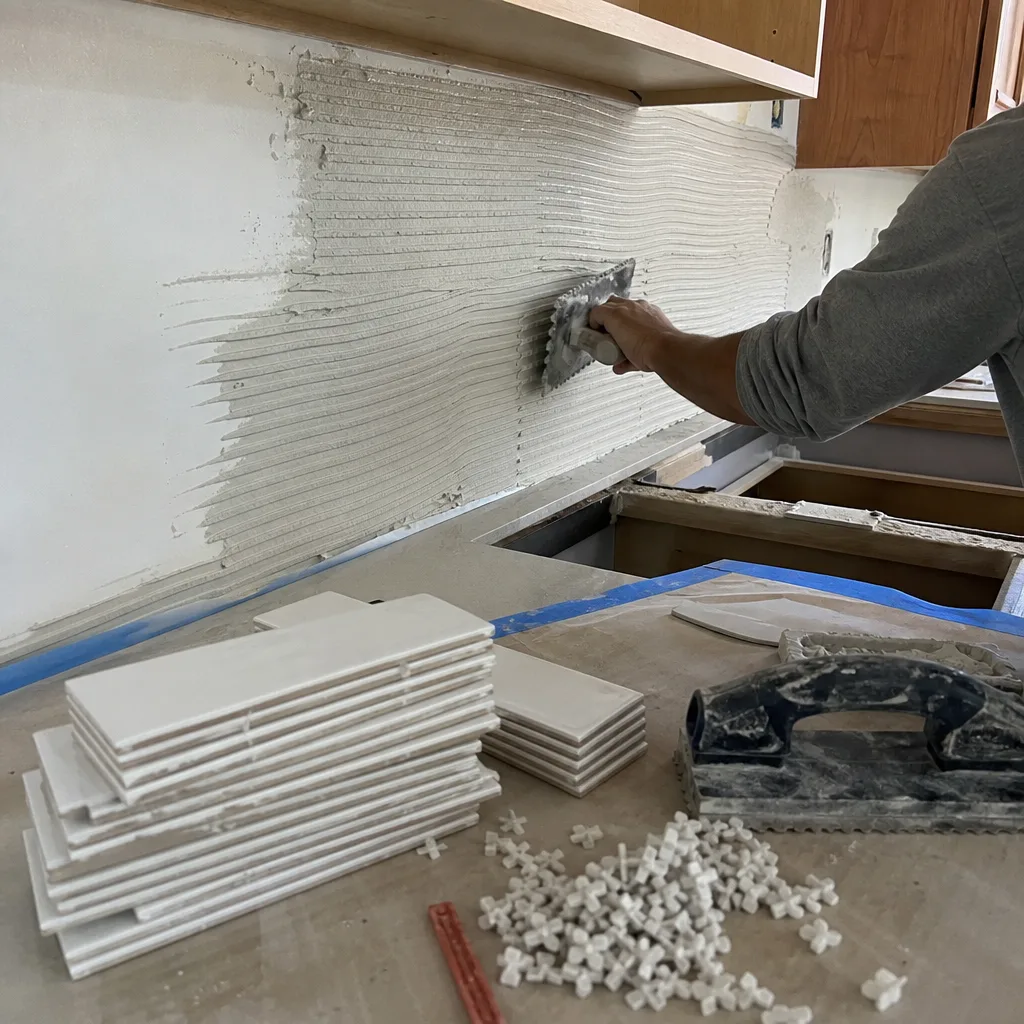
The bid is where most cost overruns originate. Contractors know that homeowners compare bottom-line numbers, not line-item clarity. Here’s how to read for the traps.
Vague Scope Language
Phrases like “install cabinets per plan,” “electrical as required,” or “finish to match existing” create ambiguity that becomes a change order later. A proper scope specifies:
- Brand and model numbers (KraftMaid Vantage series, not “mid-grade cabinets”)
- Material quantities with waste factors (SF of tile, LF of trim)
- Installation standards (TCA Handbook for tile, NWFA for hardwood)
- Protection and cleanup responsibilities
Under Clause 1 of The Haven Standard, Rowan Construction Group Cupertino delivers a written price before any work starts - every time, on every trade. The quote is a flat price with a written scope and a written warranty. “Call for a quote” is not an option here because it cannot be compared or held accountable.
The Allowance Trap
An “allowance” is a placeholder dollar amount for selections not yet made - tile, fixtures, appliances. Low allowances make a bid look competitive. Here’s the mechanism:
| Item | Allowance in Bid | Actual Selection Cost | Hidden Overrun |
|---|---|---|---|
| Kitchen countertops | $3,500 (laminate placeholder) | $8,200 (Cambria quartz) | $4,700 change order |
| Bathroom fixtures | $1,800 (builder-grade) | $4,500 (Kohler Purist series) | $2,700 change order |
| Pavers | $5,000 (basic concrete) | $9,800 (Belgard porcelain) | $4,800 change order |
Before signing, confirm every allowance is realistic for your intended selections. We quote with real numbers from our fifty-plus vetted brands - KraftMaid and Wellborn cabinets, Cambria and Caesarstone countertops, GAF and Owens Corning roofing, Kohler and Toto fixtures, Belgard and Techo-Bloc pavers - so the written quote reflects actual cost, not a low anchor that balloons later.
Missing Exclusions
What the bid does NOT cover is as important as what it does. Common omissions that become surprise charges:
- Permit fees and inspection scheduling
- Utility disconnect/reconnect
- Asbestos or lead testing and abatement (common in Cupertino homes built 1950-1980)
- Tree protection or replacement per city requirements
- Temporary kitchen or bathroom facilities during construction
- Dust containment and HEPA filtration (critical for allergy-sensitive Cupertino households)
A bid with no exclusions section is incomplete. Ask for one in writing.
The Change Order Discipline
No work proceeds on a change at Rowan Construction Group until the change order is signed. This is the administrative discipline Haven acquired Rowan for, and the reason our projects finish within a few percent of the number the customer agreed to. A contractor who performs “a little extra” verbally and bills later is creating dispute territory. Get every change in writing, with price and scope, before the work happens.
Step 5: Structure the Contract Under California Law
California law mandates specific contract provisions for home improvement contracts over $500. A contract missing these is unenforceable in your favor and may be unenforceable at all.
Required Elements
- Contractor’s name, license number, and business address - must match CSLB exactly
- Description of work to be performed and materials to be used - with sufficient detail for a third party to evaluate completion
- Total contract price - including all finance charges if applicable
- Payment schedule - California limits upfront payment to 10% of contract price or $1,000, whichever is less. Progress payments must be tied to completion milestones, not calendar dates
- Start and substantial completion dates - with defined consequences for delay
- Notice of Right to Cancel - a three-day right to rescind for any reason, in a separate boldface notice
- Mechanics lien warning - explaining your liability if the contractor fails to pay subcontractors or suppliers
- Workers’ comp and liability insurance statement
Payment Schedule: The Milestone Method
Never agree to a “50% upfront, 50% at completion” structure. A proper schedule for a kitchen remodel in Cupertino might look like:
- 10% at contract signing (legal maximum)
- 25% at rough inspection passed (framing, electrical, plumbing)
- 25% at cabinet and countertop installation
- 25% at final fixture installation
- 15% at final inspection and punch list completion
Retainage - holding back the final 10-15% - is your leverage for punch list completion. Contractors who demand full payment before final inspection are signaling cash flow distress.
The Right to Cancel
California’s three-day cooling-off period is non-waivable. If the contractor pressures you to waive it, or buries the notice in fine print, this is a violation you can report to the CSLB. Keep your signed copy of the cancellation notice.
Change Order Signature Requirement
The contract should state explicitly that no changes are binding without a written change order signed by both parties. This protects both sides - you from surprise charges, the contractor from scope creep. Our contracts include this under The Haven Standard Clause 3: no signature, no work, no charge.
Step 6: The Site Visit and Final Vetting
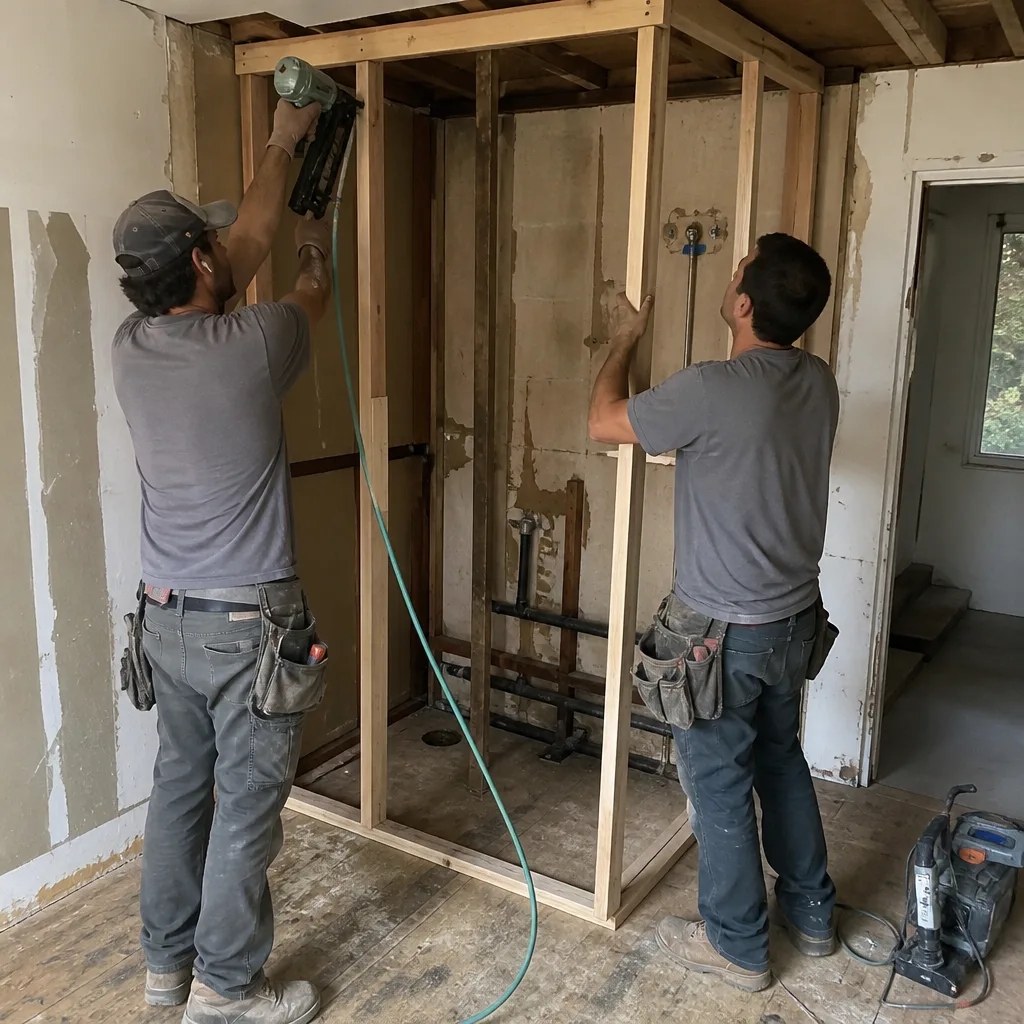
By this stage, you have verified license, insurance, references, and bid clarity. The site visit is where you confirm the contractor understands your specific property and constraints.
What to Observe
- Do they measure, or do they eyeball? A contractor who estimates cabinet layout without a laser measure or detailed drawings is guessing.
- Do they ask about your daily routine? Work hours, pet constraints, parking limitations - these affect scheduling and cost in Cupertino’s dense neighborhoods like Lynbrook and Seven Springs.
- Do they identify site-specific risks? Hillside drainage, heritage tree protection, Caltrans access restrictions for roofing projects near Highway 85 - local knowledge separates experienced Cupertino contractors from imports.
- Do they document condition? Photos of existing walls, floors, and fixtures protect both parties from “it was already damaged” disputes. We include a documented photo record on every visit as standard - the customer leaves with evidence of what was found and what was done.
The Documentation Test
Ask what you will receive at project completion. A professional answer includes:
- Permit approvals and inspection sign-offs
- Warranty documents for materials and workmanship
- Photo record of concealed conditions and completed work
- Maintenance instructions for installed systems
- Lien releases from all subcontractors and suppliers
The contractor who cannot describe their closeout package is not running a documented business. In a market like Cupertino, where homes transact frequently and buyers demand maintenance records, this documentation protects resale value. See our Seasonal Construction Care for Cupertino: Year-Round Homeowner’s Guide for ongoing maintenance priorities.
Common Mistakes to Avoid
- Skipping the CSLB check because of a personal referral. Your neighbor’s positive experience is one data point; the license record is the complete dataset. We have seen licensed contractors with clean records perform poorly, but unlicensed contractors perform predictably badly - and leave you no recourse.
- Accepting a “verbal ballpark” as a quote. In Cupertino’s volatile material market, a verbal estimate given in March can be obsolete by May. A written price with an expiration date is the only number you can hold someone to.
- Paying more than 10% upfront. This is not just unwise - in California, it is illegal for contracts over $500. Contractors who demand more are either ignorant of the law or testing your compliance.
- Ignoring the workers’ comp exemption flag. In Cupertino’s affluent neighborhoods, homeowners carry significant assets. An uninsured worker injury on your property can expose you to direct liability that your umbrella policy excludes.
- Failing to verify permit status independently. “We’ll pull permits next week” often means never. Check the city portal yourself before work begins.
- Comparing bids with different scope definitions. A $45,000 bid that excludes appliances, permits, and tile installation is not cheaper than a $62,000 bid that includes them. Normalize scope before comparing price.
- Signing without reading the change order procedure. The contractor who says “we’ll figure it out as we go” is planning to figure out how to charge you more.
When to Call a Professional
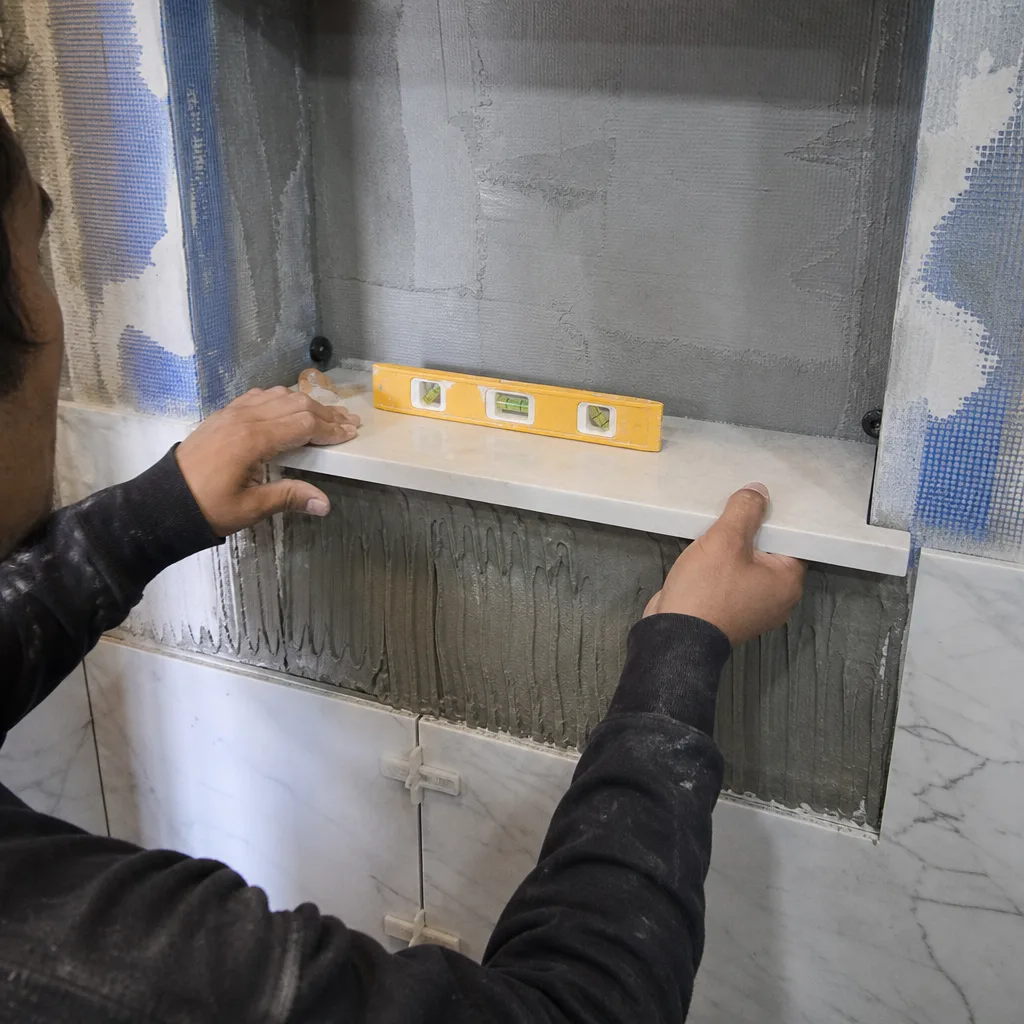
Some projects in Cupertino require immediate professional involvement: structural modifications to hillside foundations, electrical service upgrades past 200 amps, any work touching gas lines, and bathroom remodeling involving waterproofing in second-story applications where failure damages the level below. These are not learning opportunities.
For planned construction - kitchen remodels, additions, ADUs, roofing replacement, window and door upgrades - the right time to call is after you have completed the verification steps above and have a clear scope in mind. Rowan Construction Group Cupertino offers free estimates in Cupertino. We will review your plans, deliver a written flat price with line-item scope, and provide a Free Second Opinion on any competitor’s written estimate - reviewed line by line at no charge. Call (669) 202-9618 to schedule.
Frequently Asked Questions
Kitchen remodels in Cupertino typically range from $75,000 for a mid-grade refresh to $180,000 for full-gut work with custom cabinetry and stone countertops; see our Kitchen Remodeling Maintenance Checklist for Cupertino Homeowners to protect that investment. bathroom remodels run $35,000-$85,000; roofing replacement on a 2,500 square foot home averages $18,000-$32,000 depending on access and material. These ranges reflect Santa Clara County labor rates, permit costs, and the material specifications common in Cupertino’s market. Call (669) 202-9618 for an exact quote - estimates are free.
Visit cslb.ca.gov and enter the contractor’s license number or business name. Verify active status, $25,000 bond compliance, workers’ comp coverage, and complaint history. The lookup is free and takes under 60 seconds. Do this before calling any contractor for a bid.
Minimum general liability of $1 million per occurrence, workers’ compensation insurance unless legitimately exempt, and completed operations coverage. For hillside properties in Monta Vista or Rancho Rinconada, consider whether $1 million is adequate given access constraints and neighboring structure proximity. Always verify the policy directly with the insurer, not just the contractor.
At Rowan Construction Group, the price changes only when the scope changes - and no change proceeds without a signed change order. This discipline, acquired by Haven in 2007, has kept our projects within a few percent of the agreed price across 4,000-plus jobs. If a contractor cannot explain their change order protocol clearly, expect surprises.
Yes. The City of Cupertino requires permits for structural work, electrical, plumbing, HVAC, roofing, and most exterior modifications. Unpermitted work must be disclosed in real estate transactions, can void insurance coverage, and may trigger city enforcement including removal orders. A contractor who suggests skipping permits is proposing illegal work.
Design and permitting: 8-14 weeks; construction: 6-10 weeks for a full remodel. Cupertino’s permit review times vary seasonally, and hillside lots may require additional geotechnical review. A contractor who promises a 4-week total timeline is either inexperienced or planning to work without permits. Call (669) 202-9618 for a realistic schedule based on current city processing times.
The Bottom Line
Hiring a construction contractor in Cupertino is a document-verification exercise that happens to involve people. The CSLB lookup, insurance verification, structured reference calls, bid decoding, and contract review are objective filters that eliminate most bad outcomes before you judge personality or craftsmanship. The contractors who remain after this process - the ones with clean licenses, verified coverage, documented references, and written scope discipline - are the ones worth the conversation. Everything else is enthusiasm without evidence. Rowan Construction Group has operated under these standards since 2007, delivering 4,000-plus projects with a written price before any work started and a documented record when the crew left. The 365-Day Done Right Promise, no-hassle upfront pricing, and Free Second Opinion on any written estimate are standing offers for Cupertino homeowners. Explore more guides & resources to prepare for your project.eady to build with documentation.
Written by Grant Rowan, Owner at Rowan Construction Group Cupertino, serving Cupertino since 2007.