
Last updated September 25, 2026
Free written scope consultation - allowances, timeline, and change-order rules on paper before a single trade is scheduled
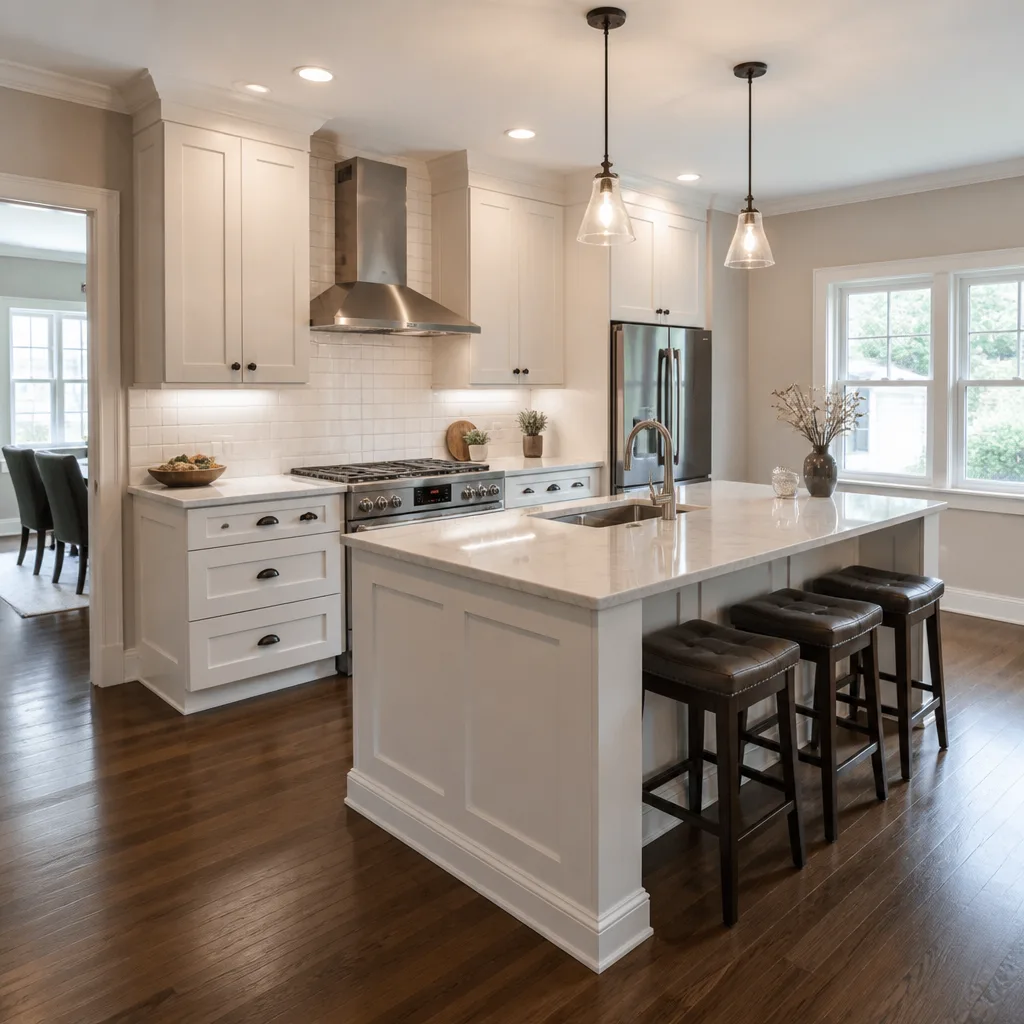
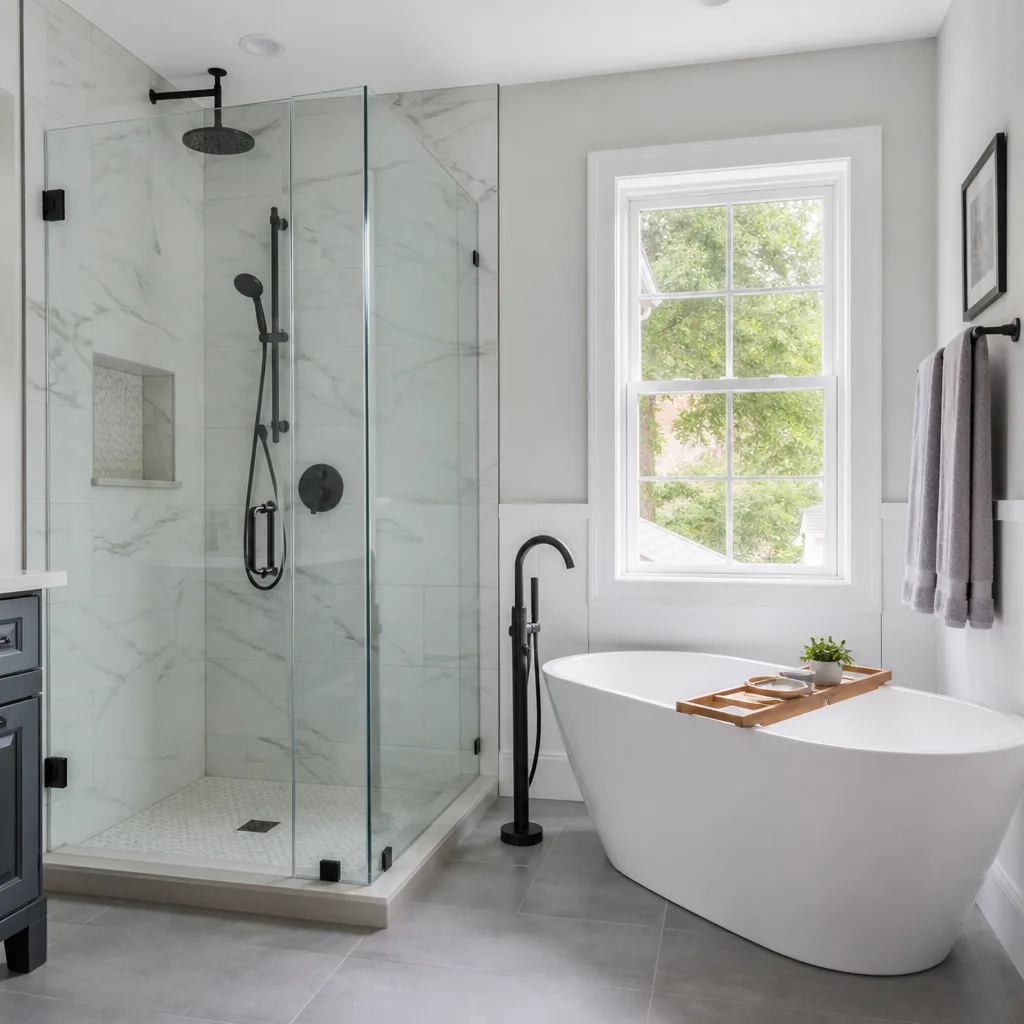
 Before
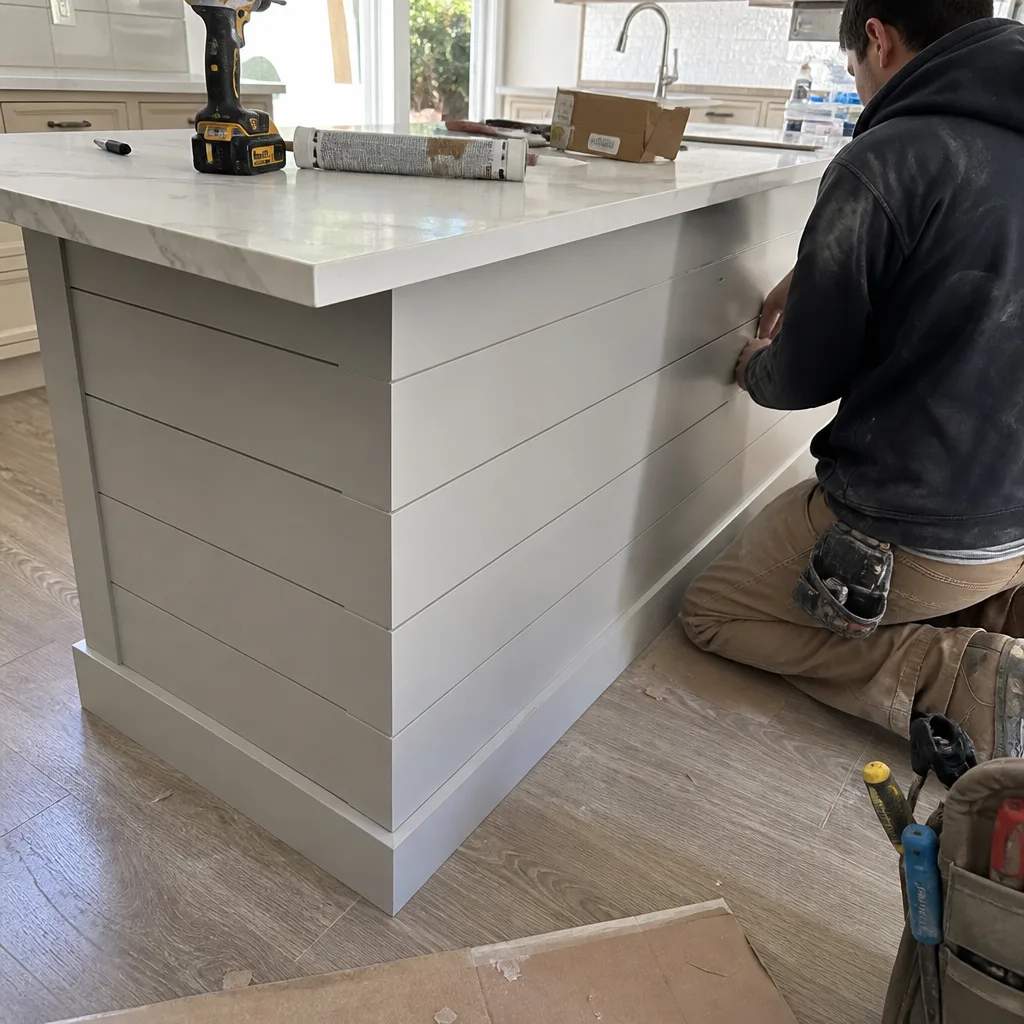 After
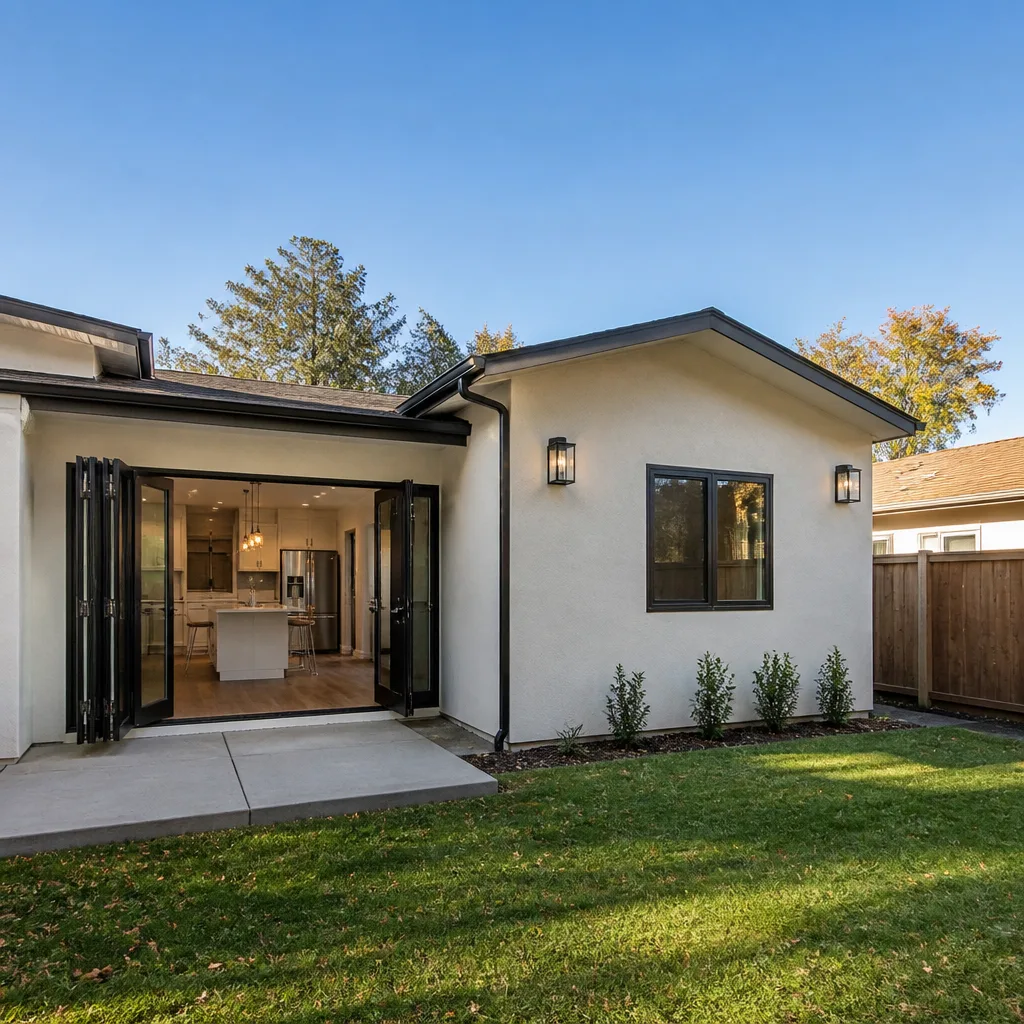
After Before
 After
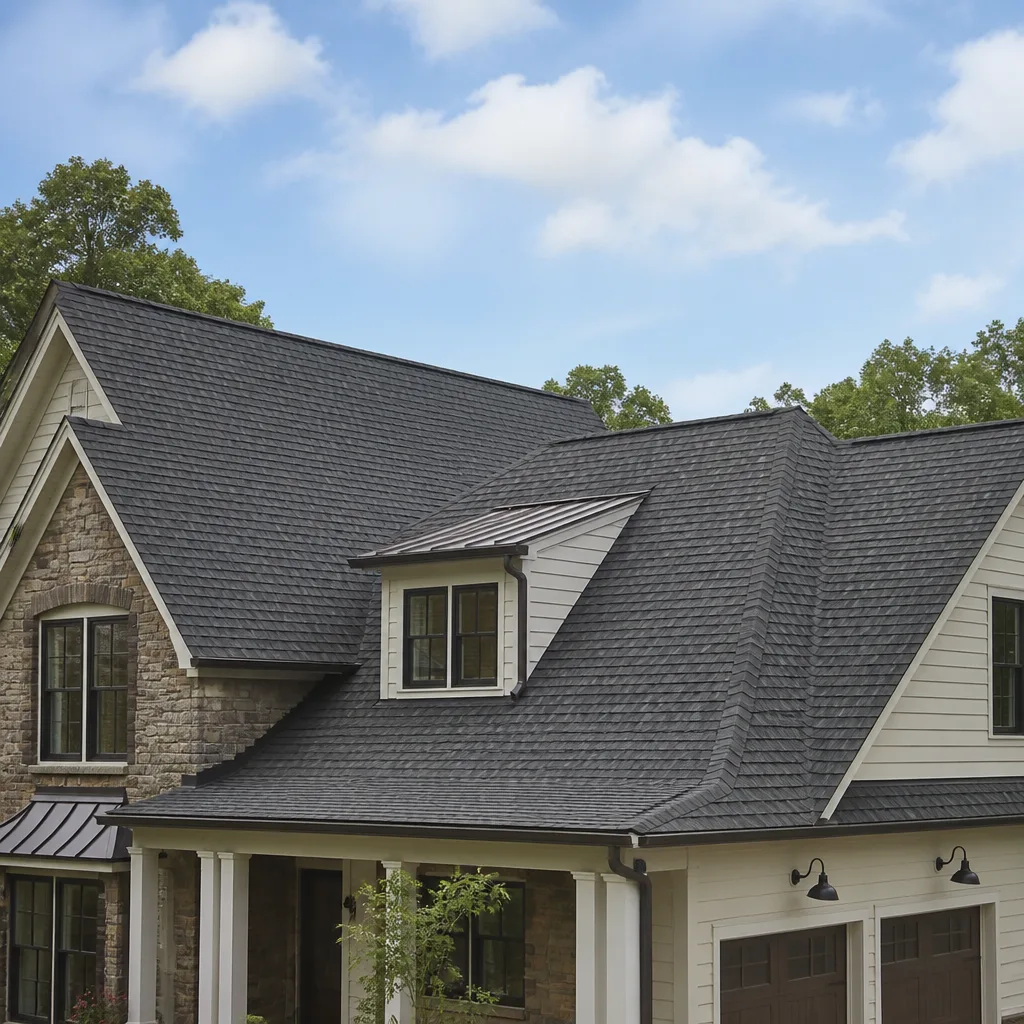
After Before
 After
AfterConstruction Cost Breakdown: The Cupertino Homeowner’s Reference for 2026
The national average for a kitchen remodel cited by most cost aggregators is $27,000-$45,000. The Cupertino market reality for the same scope - same cabinet brand, same countertop material, same appliance tier - runs $68,000-$115,000. That gap, often exceeding 40%, isn’t markup or greed. It’s Bay Area labor rates, Santa Clara County permit fees calculated as a percentage of project valuation, and disposal costs for demolished materials that national models simply don’t capture. This guide - alongside our more guides & resources - breaks down what Cupertino homeowners actually pay in 2026, line item by line item, with the structure a legitimate contractor bid should match.
Quick Answer
A typical Cupertino residential construction project in 2026 carries hard costs (materials and labor) of $280-$450 per square foot for finished space, plus soft costs (permits, design, engineering, inspections) of 15-22% on top. A kitchen remodel runs $68,000-$115,000, a bathroom $35,000-$72,000, a room addition $220,000-$380,000, and an ADU $180,000-$340,000 depending on finish tier and site conditions. The Cupertino permit fee schedule alone - detailed in Construction Permits, Codes & Inspections in CA: What You Need to Know - adds 4-7% of project valuation before a single board is cut.
Table of Contents
- Why National Averages Fail in Cupertino
- Kitchen Remodel Costs in Cupertino
- Bathroom Remodel Costs in Cupertino
- Room Addition Costs in Cupertino
- ADU Construction Costs in Cupertino
- Full Interior Repaint Costs in Cupertino
- Hard Costs vs. Soft Costs: The Cupertino Breakdown
- How to Read a Contractor’s Schedule of Values
- Common Mistakes to Avoid
- When to Call a Professional
- Frequently Asked Questions
- The Bottom Line
 Before
 After
AfterWhy National Averages Fail in Cupertino
National cost databases pull from thousands of zip codes across the country. They smooth out regional peaks, which means they flatten Cupertino’s reality into something unrecognizable. Three factors explain the divergence.
Bay Area labor rates. A journeyman carpenter in Santa Clara County earns $52-$68 per hour in wages plus benefits, compared to a national average of $28-$38. Licensed plumbers run $95-$140 per hour; licensed electricians $90-$135. These aren’t premium rates - they’re market rates for tradespeople who can afford to live within commuting distance of Cupertino. A kitchen remodel requiring 180-220 labor hours carries a labor cost differential of $8,000-$15,000 versus national models before materials enter the equation.
Santa Clara County permit fee schedules. Cupertino operates under Santa Clara County’s fee structure, which calculates building permit fees as a percentage of project valuation with minimums that bite harder on smaller jobs. For a $100,000 project, plan check and permit fees typically run $4,200-$6,800. Add school fees, park fees, and utility connection fees for ADUs and additions, and the total soft cost before design or engineering can reach 8-12% of project value. National cost guides often assume permit fees of $500-$1,500.
Material delivery and disposal in a high-density suburban market. Cupertino’s lot sizes average 6,000-8,000 square feet with narrow driveway access. Dumpster placement requires permits on many streets. Demolition debris from a kitchen gut-out - cabinets, drywall, old appliances, flooring - runs $1,800-$2,800 for a 30-yard container with hauling, versus $600-$900 in markets with fewer disposal restrictions. Material deliveries face the same constraints: a Cambria quartz slab delivered to a Cupertino driveway with a boom truck adds $180-$250 to the slab cost versus a suburban Texas job with open lot access.
We’ve delivered 4,000-plus projects since 2007, and the pattern holds: national averages for Cupertino are fiction. The numbers below reflect what we quote in writing before any work starts.
Kitchen Remodel Costs in Cupertino
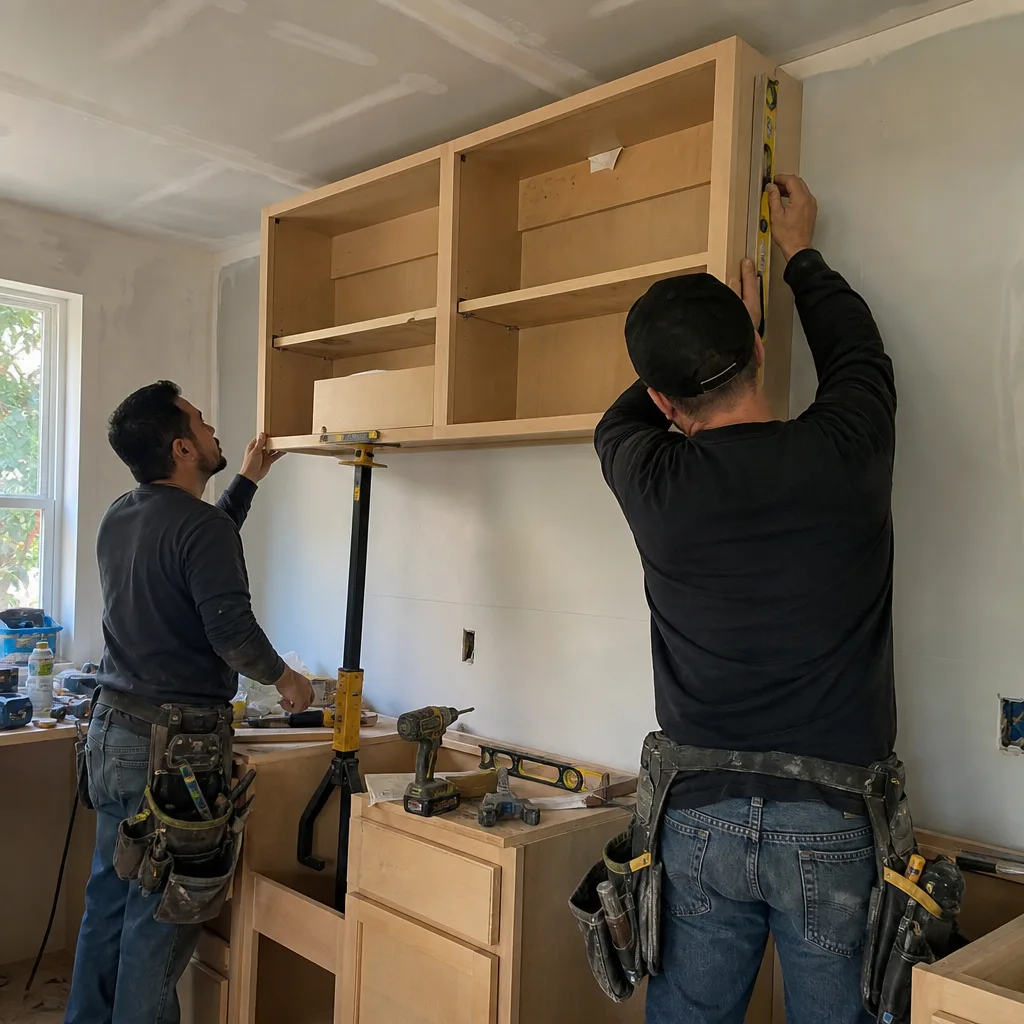
The kitchen remodeling in Cupertino market splits into three tiers defined by cabinet brand, countertop material, appliance package, and finish level. These ranges assume a 150-220 square foot kitchen, which covers most Cupertino homes built 1960-1995.
| Line Item | Budget Tier | Mid Tier | Premium Tier |
|---|---|---|---|
| Cabinets (installed) | $14,000-$19,000 (stock, flat-panel) | $22,000-$32,000 (KraftMaid semi-custom) | $38,000-$55,000 (Wellborn custom, inset doors) |
| Countertops (installed) | $3,500-$5,500 (granite, Level 1) | $6,500-$10,000 (Cambria quartz, 3 cm) | $12,000-$18,000 (Caesarstone, waterfall edge) |
| Appliances (package) | $4,500-$7,000 | $9,000-$14,000 | $18,000-$28,000 |
| Plumbing fixtures | $1,200-$2,000 | $2,500-$4,500 (Kohler) | $5,000-$8,500 (Toto, Rohl) |
| Electrical/lighting | $2,500-$4,000 | $4,500-$7,500 | $8,000-$14,000 |
| Flooring (installed) | $3,000-$5,000 (LVP) | $5,500-$8,500 (porcelain tile) | $9,000-$14,000 (hardwood, site-finished) |
| Demolition & disposal | $2,800-$3,800 | $3,200-$4,500 | $3,800-$5,500 |
| Labor (rough & finish) | $18,000-$24,000 | $26,000-$36,000 | $38,000-$52,000 |
| Project subtotal | $49,500-$68,300 | $79,200-$117,000 | $131,800-$195,000 |
| Permits & fees (Cupertino) | $2,200-$3,800 | $3,500-$6,200 | $5,500-$9,500 |
| Design & project management | $2,500-$4,500 | $4,500-$8,000 | $8,000-$14,000 |
| Total project range | $54,200-$76,600 | $87,200-$131,200 | $145,300-$218,500 |
The mid-tier range - $87,000-$131,000 - is where most Cupertino kitchen remodels land. The budget tier assumes keeping the existing layout (no plumbing or electrical relocation), which eliminates the cost of relocating gas lines and rewiring circuits. The premium tier assumes layout changes, structural modifications for open-concept conversion, and high-end finishes throughout.
Under Clause 1 of the Haven Standard, the price we deliver before work starts includes every line item above. No change proceeds without a signed change order, which is how our projects finish within a few percent of the agreed number.
Bathroom Remodel Costs in Cupertino
Bathroom remodeling in Cupertino follows the same tier structure with steeper per-square-foot costs due to concentrated plumbing and moisture-management requirements. A typical Cupertino bathroom runs 40-80 square feet.
| Line Item | Budget Tier | Mid Tier | Premium Tier |
|---|---|---|---|
| Vanity & countertop | $1,800-$2,800 | $3,500-$5,500 | $6,500-$10,000 |
| Shower/tub surround | $3,500-$5,500 (fiberglass insert) | $7,000-$11,000 (tile, mud-set pan) | $14,000-$22,000 (curbless, linear drain, frameless glass) |
| Toilet & bidet | $400-$700 | $800-$1,500 (Toto) | $2,000-$4,000 (wall-hung, in-wall tank) |
| Plumbing fixtures | $800-$1,500 | $2,000-$3,500 (Kohler) | $4,500-$7,500 |
| Tile (floor & accent) | $2,000-$3,500 | $4,500-$7,500 | $8,000-$14,000 |
| Ventilation & electrical | $1,200-$2,000 | $2,200-$3,800 | $4,000-$6,500 |
| Demolition & disposal | $1,500-$2,200 | $1,800-$2,600 | $2,200-$3,200 |
| Labor | $10,000-$14,000 | $16,000-$24,000 | $26,000-$38,000 |
| Project subtotal | $21,200-$31,700 | $37,800-$59,400 | $67,200-$105,200 |
| Permits & fees (Cupertino) | $1,000-$1,800 | $1,800-$3,200 | $3,200-$5,500 |
| Design & project management | $1,500-$2,500 | $2,500-$4,500 | $4,500-$8,000 |
| Total project range | $23,700-$36,000 | $42,100-$67,100 | $74,900-$118,700 |
The shower is the cost driver. A fiberglass tub-shower combo installed in a day costs $3,500-$5,500. A curbless, tile-over-mud shower with a linear drain and frameless glass - increasingly specified in Cupertino’s 1980s-era homes where aging-in-place modifications are requested - runs $14,000-$22,000. The waterproofing membrane (a fluid-applied or sheet membrane that prevents moisture intrusion into the wall cavity) and the mud-set pan (a sloped mortar bed that drains to the linear drain) account for $4,000-$6,500 of that difference in labor alone.
In Monta Vista and Rancho Rinconada, we’ve seen repeated issues with galvanized steel supply lines in homes built 1960-1975. Replacing supply lines to a bathroom adds $2,500-$4,500 to the project but eliminates the risk of pinhole leaks behind tile. We document the existing condition with photos, show the homeowner what we found, and quote the replacement as a line item before demolition starts.
Room Addition Costs in Cupertino
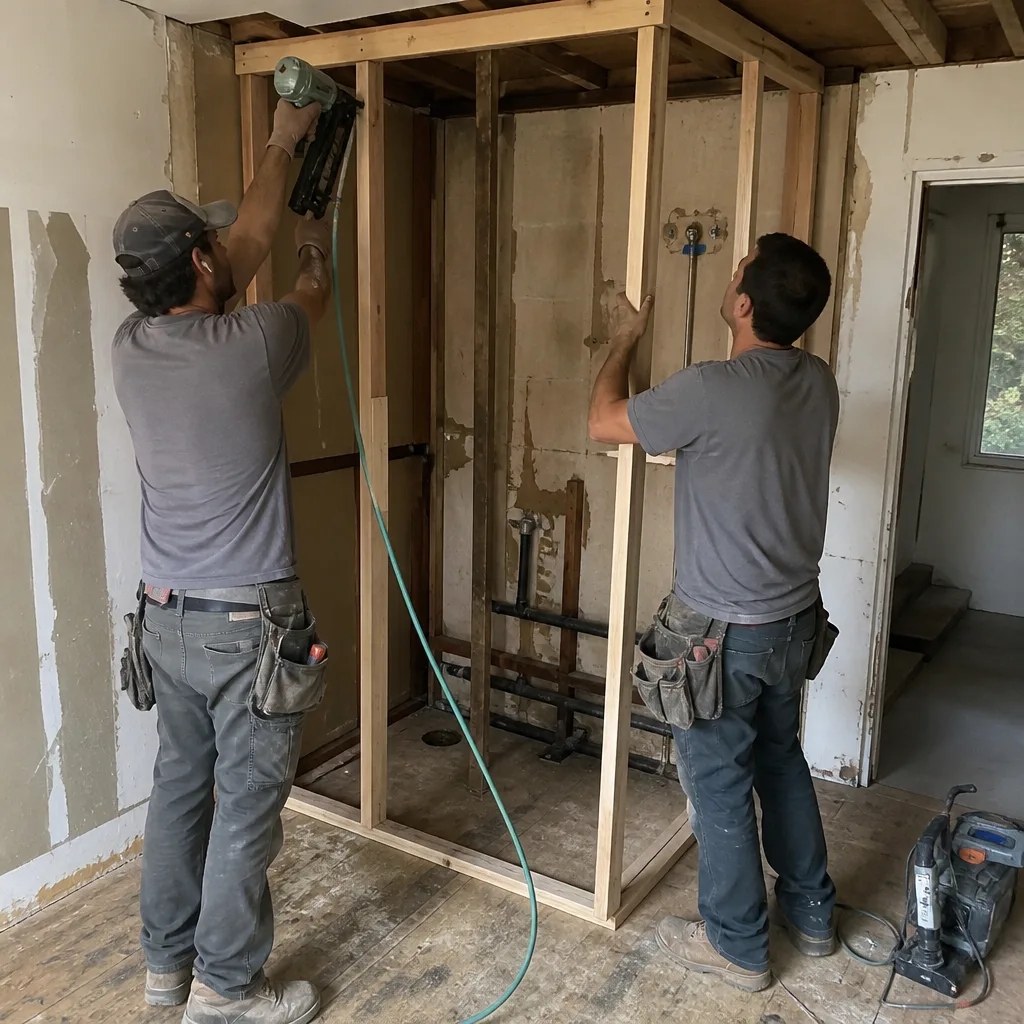
A room addition in Cupertino - typically a master suite, family room, or second-story expansion - runs higher per square foot than new construction due to tie-in complexity, foundation work, and the structural engineering required to merge old and new framing.
| Line Item | Low Finish | Mid Finish | High Finish |
|---|---|---|---|
| Foundation (slab or stem wall) | $18,000-$28,000 | $22,000-$34,000 | $28,000-$42,000 |
| Framing & structural | $22,000-$32,000 | $30,000-$45,000 | $42,000-$62,000 |
| Roofing tie-in | $8,000-$12,000 | $12,000-$18,000 | $18,000-$28,000 |
| Exterior finish (siding, windows, doors) | $14,000-$22,000 | $24,000-$36,000 | $38,000-$55,000 |
| Electrical, HVAC, plumbing | $12,000-$18,000 | $18,000-$28,000 | $28,000-$42,000 |
| Insulation & drywall | $6,000-$9,000 | $9,000-$14,000 | $14,000-$20,000 |
| Interior finish (flooring, paint, trim) | $10,000-$16,000 | $18,000-$28,000 | $32,000-$48,000 |
| Demolition & site prep | $4,000-$7,000 | $5,500-$9,000 | $8,000-$12,000 |
| Labor (general & specialty) | $28,000-$42,000 | $42,000-$65,000 | $65,000-$95,000 |
| Project subtotal | $122,000-$186,000 | $180,500-$277,000 | $273,000-$404,000 |
| Permits & fees (Cupertino) | $6,000-$10,000 | $9,000-$15,000 | $14,000-$22,000 |
| Structural engineering | $4,500-$7,000 | $6,000-$9,500 | $9,000-$14,000 |
| Architectural design | $5,000-$8,000 | $8,000-$14,000 | $14,000-$22,000 |
| Total project range | $137,500-$211,000 | $203,500-$315,500 | $310,000-$462,000 |
The ranges above assume a 400-600 square foot addition. On a per-square-foot basis, that’s $344-$528 for low finish, $509-$789 for mid, and $775-$1,155 for high finish - all-in with soft costs.
Cupertino’s specific constraints drive costs in ways national guides miss. Setback requirements in the R-1 zone (the zoning that covers most residential neighborhoods) limit how close to property lines you can build, often forcing more complex foundation solutions. The city’s tree preservation ordinance protects heritage oaks and redwoods, requiring arborist reports and protective fencing that adds $1,500-$3,500 to site prep. And the clay-heavy soils in parts of West Cupertino (the area west of Stevens Creek Boulevard toward the foothills) may require engineered pier foundations rather than standard stem walls, adding $8,000-$15,000 to the foundation line item.
We’ve completed additions in Birdland, Monta Vista, and Rancho Rinconada where the existing roof structure couldn’t support a second story without reinforcement. The structural engineering to sister new joists to old, or to install a moment frame for lateral support, runs $6,000-$12,000 before framing begins. These aren’t optional upgrades; they’re code-mandated safety requirements that a low headline bid often omits until change order time.
ADU Construction Costs in Cupertino
Accessory Dwelling Units - detached backyard cottages, garage conversions, or attached junior ADUs - have specific cost drivers that differ from room additions. Cupertino adopted California’s statewide ADU streamlining laws but maintains local design review requirements that add time and cost.
| Line Item | Garage Conversion | Detached New Construction (400-800 sq ft) |
|---|---|---|
| Existing structure demo or prep | $4,000-$7,500 | $3,500-$6,000 (site clearing) |
| Foundation | $5,500-$9,000 (slab repair/replace) | $18,000-$32,000 |
| Framing & structural | $18,000-$28,000 | $32,000-$52,000 |
| Roofing | $8,000-$14,000 | $14,000-$24,000 |
| Exterior finish | $10,000-$16,000 | $22,000-$36,000 |
| Kitchenette (compact) | $8,000-$14,000 | $10,000-$16,000 |
| Bathroom (3-fixture) | $12,000-$18,000 | $14,000-$22,000 |
| HVAC, electrical, plumbing | $14,000-$22,000 | $18,000-$28,000 |
| Interior finish | $12,000-$18,000 | $18,000-$28,000 |
| Labor | $22,000-$34,000 | $38,000-$58,000 |
| Project subtotal | $113,500-$180,500 | $187,500-$302,000 |
| Permits & fees (Cupertino) | $4,500-$7,500 | $7,500-$12,000 |
| Utility connection/sewer fees | $3,000-$6,000 | $5,000-$10,000 |
| Design & engineering | $5,000-$9,000 | $8,000-$14,000 |
| Total project range | $126,000-$203,000 | $208,000-$338,000 |
The garage conversion range assumes a 400-500 square foot two-car garage with existing slab in repairable condition. The detached new construction range assumes 400-800 square feet with standard finishes. Premium finishes - hardwood flooring, quartz countertops, custom cabinetry - push the detached range to $280,000-$380,000.
Cupertino’s ADU-specific requirements include fire separation for attached units, which typically means 5/8-inch Type X drywall on the garage side and a 20-minute fire-rated door. For detached units, the city requires compliance with the same energy code as new single-family homes - Title 24, Part 6 - which mandates solar-ready roof design, high-efficiency mechanical systems, and enhanced insulation. These aren’t line-item options; they’re code minimums that every bid must include.
In our experience across Cupertino ADU projects, the utility connection is where low bids unravel. A garage conversion may need a separate electric meter ($2,500-$4,500), water service upgrade ($1,500-$3,000), or sewer lateral capacity verification ($800-$1,500 for the test, plus $4,000-$12,000 if replacement is needed). We test and quote these before construction starts, not after the walls are open.
Full Interior Repaint Costs in Cupertino
A full interior repaint is the most commonly underestimated project on this list. Homeowners see paint as cosmetic and assume costs scale with gallons. In reality, preparation - the masking, patching, sanding, and priming that determines whether the finish lasts five years or fifteen - drives 60-70% of labor cost.
| Line Item | Economy | Standard | Premium |
|---|---|---|---|
| Surface prep (patch, sand, prime) | $2,500-$4,000 | $4,500-$7,500 | $8,000-$12,000 |
| Paint (materials) | $1,800-$2,800 | $3,200-$5,000 | $5,500-$8,500 |
| Labor (cut, roll, finish) | $5,500-$8,500 | $9,000-$14,000 | $15,000-$22,000 |
| Cabinet/door painting (optional) | $3,000-$5,000 | $5,500-$9,000 | $10,000-$16,000 |
| Trim & millwork (optional) | $2,000-$3,500 | $3,500-$6,000 | $6,500-$10,000 |
| Total project range (2,000 sq ft home) | $9,300-$16,000 | $17,200-$28,500 | $30,000-$46,500 |
The economy tier assumes walls in good condition with minimal patching, one coat of paint over existing finish, and no cabinet or trim work. The standard tier - where most Cupertino repaints land - includes two coats, thorough prep, and trim painting. The premium tier assumes plaster repair, skim-coating of textured walls to smooth finish, cabinet refinishing, and specialty finishes.
Cupertino’s climate affects paint selection and longevity. The Mediterranean climate with dry summers and mild, wet winters means exterior-facing walls experience thermal cycling that can crack improperly prepared surfaces. We specify 100% acrylic latex with mildewcide for bathrooms and kitchens, and we avoid painting when relative humidity exceeds 70% - common in Cupertino’s winter mornings - because it extends drying time and risks surfactant leaching (a chemical residue that appears as streaking on the finish).
For homes in the Fremont Older and Seven Springs areas with original lath-and-plaster construction, prep costs run higher. Plaster develops hairline cracks as it ages, and the repair - routing the crack, applying fiberglass mesh tape, skim-coating with setting compound, and sanding smooth - adds $1,500-$3,000 to the prep line item versus drywall in a 1990s tract home.
Hard Costs vs. Soft Costs: The Cupertino Breakdown
Every construction project divides into hard costs (tangible, measurable, tied to physical work) and soft costs (necessary but intangible, tied to process and compliance). In Cupertino, soft costs typically run 15-22% of total project value, versus 8-12% in national markets.
Hard costs include:
- Materials: lumber, concrete, drywall, tile, fixtures, appliances, roofing, windows, doors, paint, fasteners, adhesives
- Labor: wages and benefits for carpenters, plumbers, electricians, painters, roofers, and general laborers
- Equipment: tool rental, scaffolding, boom lifts, excavation equipment, concrete pumps
- Site work: demolition, disposal, temporary utilities, erosion control, site protection
Soft costs include:
- Design and architectural services: measured drawings, 3D renderings, material specifications, construction documents
- Engineering: structural calculations, soil reports, Title 24 energy compliance, stormwater plans
- Permits and fees: plan check, building permit, impact fees, school fees, park fees, utility connection fees
- Insurance and bonding: builder’s risk, general liability, workers compensation
- Project management: scheduling, subcontractor coordination, quality control, documentation
- Financing costs: construction loan interest, inspection fees, draw processing
The Cupertino premium on soft costs comes from three sources. First, Santa Clara County’s fee schedule ties permit costs to project valuation, so a $300,000 addition pays proportionally more than a $150,000 addition - not just in absolute dollars, but as a percentage. Second, the engineering requirements for seismic compliance, hillside stability (in foothill areas), and energy code exceed baseline California standards. Third, the project management intensity is higher in a market where skilled subcontractor availability is tight and scheduling coordination requires more overhead.
We’ve seen bids from competitors that present a $275,000 “project cost” for a room addition, then add $45,000 in permits, engineering, and design as “owner responsibilities” in the fine print. Under the Haven Standard, our written price includes every soft cost we can identify before work starts. The only variables are owner-driven changes - finish upgrades, scope additions - and those require a signed change order with a written price before proceeding.
How to Read a Contractor’s Schedule of Values
A schedule of values is the line-item breakdown that accompanies a fixed-price contract. It’s your tool for verifying that a bid is complete and for tracking progress payments. Here’s how to read one, and which line items are most commonly omitted to produce an artificially low headline number.
- Verify the scope matches your project. A schedule of values for a kitchen remodel should list demolition, plumbing rough-in, electrical rough-in, cabinetry, countertops, appliances, flooring, painting, and cleanup. If “electrical panel upgrade” appears as a line item and you weren’t told your panel needs upgrading, that’s a red flag - either the scope is wrong, or the contractor is padding. If “permits” is absent, the contractor may be working without them or billing them separately later.
- Check for contingency. A legitimate schedule includes 5-10% contingency for unforeseen conditions - termite damage behind walls, outdated wiring, subfloor rot. Bids without contingency either assume perfect conditions (rare in Cupertino homes averaging 40-60 years old) or plan to hit you with change orders. We specify contingency as a visible line item under Clause 1; if it’s not used, it comes off the final invoice.
- Compare labor and material splits. For most trades, labor runs 40-55% of hard costs. A bid showing 25% labor for a tile installation suggests the contractor is using unlicensed day labor or underpaying subs - both liability risks for the homeowner. Conversely, 75% labor for a material-heavy project like roofing suggests inflated labor rates.
- Look for permit and inspection line items. In Cupertino, these are non-trivial costs. A $4,500 permit line item on a $120,000 addition is reasonable; its absence is not. The schedule should also list “final inspection” and “certificate of occupancy” as milestones, confirming the contractor intends to close permits properly.
- Verify payment schedule alignment. Progress payments should match completion of scope items, not calendar dates. A payment due “30 days after start” regardless of work completed creates cash flow risk for the homeowner. Our schedules tie each draw to inspection passage - rough plumbing inspected, rough electrical inspected, etc. - so payment follows verified completion.
- Confirm warranty terms. The schedule of values should reference warranty duration and coverage. Our 365-Day Done Right Promise is printed on every page; the warranty terms are linked, not asterisked.
The most commonly omitted line items we’ve found in competitor bids: permit fees (omitted to lower the headline), disposal and dumpster costs (billed as “extras”), project management (absorbed into overhead, then recovered through change orders), and final cleaning (left to the homeowner). A bid missing three of these four will run 12-18% over the quoted price by completion.
Common Mistakes to Avoid
- Comparing your Cupertino bid to national cost websites. The $27,000 national kitchen average has no bearing on a Cupertino project with Bay Area labor, Santa Clara County permits, and disposal costs. Use the ranges in this guide, or call for a written price that reflects local reality.
- Accepting a “allowance” for finishes without specifying brands. A $15,000 “cabinet allowance” sounds generous until you discover it covers builder-grade particleboard when you specified KraftMaid plywood boxes. Every allowance should list brand, line, and material specification.
- Ignoring soil and drainage conditions in foothill neighborhoods. West Cupertino’s clay soils expand when wet and shrink when dry, cracking foundations and heaving pavers. A bid that doesn’t account for drainage design or soil amendment assumes conditions that don’t exist. We’ve replaced Rowan Construction Group Cupertino home projects where the previous contractor ignored this.
- Signing a contract without a written change order process. Every project encounters unknown conditions. The question is whether the contractor has a documented, signed process for pricing and approving changes - or whether they present surprises after the work is done. Under the Haven Standard, no change proceeds without a signed change order with a written price.
- Assuming the lowest bid covers the same scope. A $68,000 kitchen bid and an $89,000 kitchen bid are not comparable until you line up the schedules of values. The lower bid often excludes permits, omits appliance installation, or specifies a lower grade of countertop. We’ve reviewed competitor quotes in our Free Second Opinion service where the “savings” evaporated on the third line item.
- Neglecting to verify license and insurance. California requires a B-General Building contractor license for projects involving two or more trades. Verify at cslb.ca.gov. Ask for a certificate of insurance naming you as additional insured during construction. We provide both before contract signing.
- Starting construction without a written warranty. The 365-Day Done Right Promise is our standard; whatever contractor you choose, get the warranty terms in writing, with duration, coverage, and response time specified. A verbal “we stand behind our work” is not enforceable.
When to Call a Professional
Call a licensed contractor - a decision explored in DIY vs Professional Construction: The Cupertino Homeowner’s Decision Guide - when your project involves structural modification, plumbing or electrical relocation, or work requiring a building permit - which in Cupertino includes kitchen and bathroom remodels, room additions, ADUs, roofing replacement, and window installations affecting egress. The city’s building department enforces permit requirements; unpermitted work must be disclosed on sale and can trigger retroactive permitting with penalties.
Even for seemingly straightforward projects, professional assessment