
Free written scope consultation - allowances, timeline, and change-order rules on paper before a single trade is scheduled
 Before
 After
After Before
 After
After Before
 After
AfterHow Much Does Paver Patio Installation Cost in Cupertino?
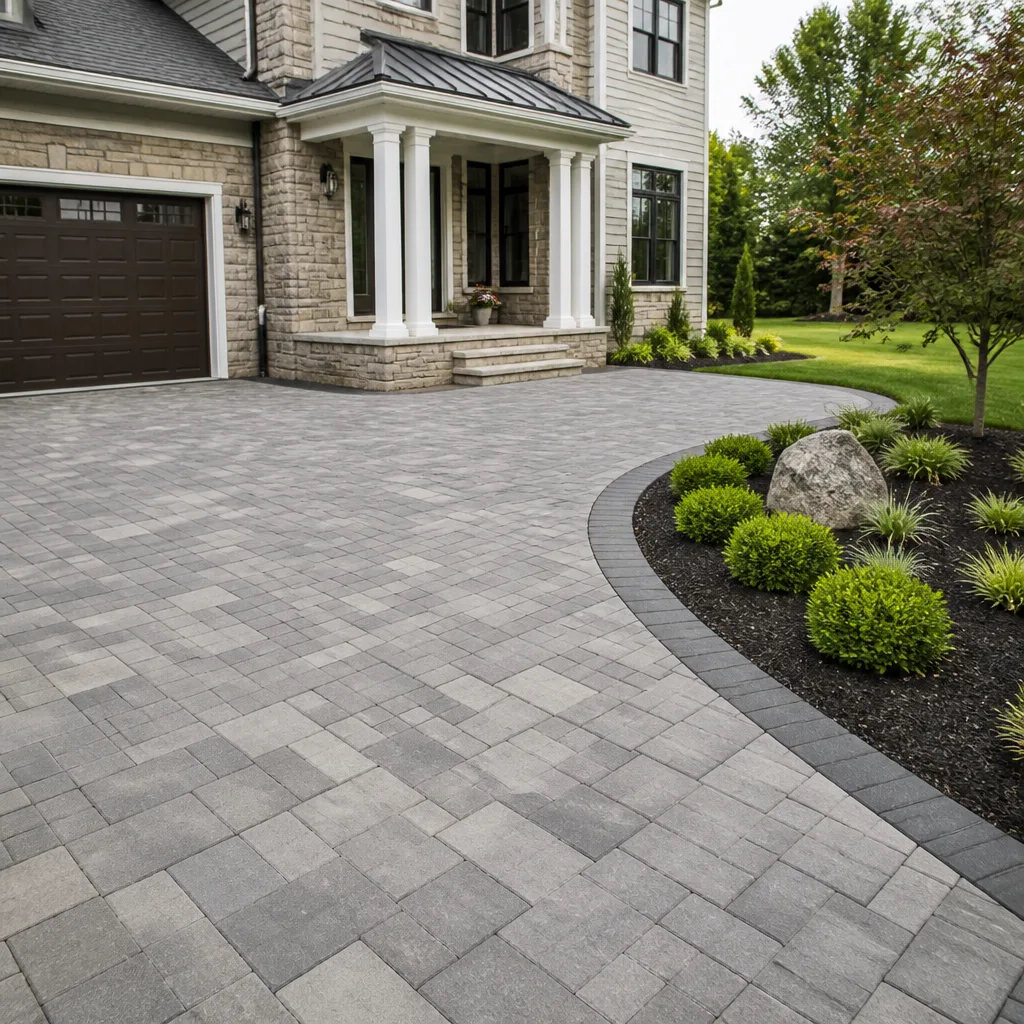
Paver patio installation in Cupertino, CA typically costs between $3,500 and $11,000 for a standard residential project, with most homeowners landing between $5,500 and $8,000 once material selection and site prep are factored in. A basic 200-square-foot concrete paver patio on a flat lot lands at the lower end; a 400-square-foot Belgard or Techo-Bloc natural stone design with a custom border, base excavation, and permeable drainage layer pushes toward the top. At Rowan Construction Group, the written price is on the table before a single paver is moved – that’s not a policy option, it’s how every project starts.
Paver Patio Installation Cost Breakdown (2026)
Below is how Cupertino paver patio pricing typically breaks down by scope and material. These ranges reflect the Bay Area labor market and current material costs from suppliers we actively work with, including Belgard and Techo-Bloc.
| Scope / Configuration | Estimated Cost Range (Cupertino, 2026) |
|---|---|
| Small patio (150-200 sq ft), concrete pavers, flat lot | $3,500 – $5,000 |
| Mid-size patio (250-350 sq ft), concrete pavers, minor grading | $5,000 – $7,500 |
| Mid-size patio (250-350 sq ft), Belgard or Techo-Bloc premium units | $6,500 – $9,000 |
| Large patio (400+ sq ft), natural stone or travertine, custom layout | $8,500 – $11,000 |
| Excavation and base prep (per project, not per sq ft) | $800 – $2,200 |
| Permeable paver system (drainage-compliant, city-ready) | Add $1,200 – $2,500 |
| Custom border, soldier course, or contrasting inlay | Add $400 – $1,200 |
| Steps or raised platform integration | Add $900 – $2,000 |
| Polymeric sand and sealer application | $300 – $700 |
A few things move the number significantly in either direction. The biggest variable in Cupertino specifically is subsurface condition: many lots in the Monta Vista and Garden Gate neighborhoods have clay-heavy soil that retains water and requires a deeper compacted base – typically 6 to 8 inches of crushed aggregate rather than the 4-inch minimum you see in drier inland markets. That extra base depth adds $600 to $1,400 to the excavation line depending on the square footage involved. Access is the second variable. Projects on tight side yards behind fencing or on hillside lots in the Rancho Rinconada area require equipment workarounds or hand-carry of materials, which adds to labor time and therefore labor cost. Material choice is the third. A concrete paver like Belgard’s Urbana costs roughly $4 to $7 per square foot in material; a travertine or natural bluestone unit from the same supplier network runs $9 to $16 per square foot before installation.
Labor in the Cupertino market runs $12 to $18 per square foot for the full scope – demo if needed, excavation, compacted base, setting bed, paver installation, edge restraints, jointing, and cleanup. That rate reflects Santa Clara County wages and the Bay Area’s consistently high demand for experienced hardscape crews.
What Affects Paver Patio Installation Pricing in Cupertino
- Patio size and shape: Square footage is the base multiplier for both materials and labor. A straight rectangular layout is faster to install than a curved or free-form design; complex patterns like herringbone or running bond with custom borders add 10 to 20 percent to labor time. Most Cupertino projects fall between 200 and 450 square feet.
- Paver material and brand: Standard concrete pavers are the most cost-efficient option. Belgard and Techo-Bloc offer a wide mid-tier range with realistic textures and good longevity in the Bay Area’s freeze-light climate. Natural stone – bluestone, travertine, quartzite – costs more per unit and requires more careful setting to stay level over time. We work with all of these and quote each one from the same supplier network, so the written price reflects actual material cost, not an inflated markup.
- Soil and site conditions: Cupertino’s clay-dominant soil (particularly in areas downslope from the Foothill Expressway corridor) compresses slowly and drains poorly. Without a properly excavated and compacted aggregate base, pavers will shift and settle within a few years. Doing it right the first time costs more than the shortcut; fixing sunken pavers costs more than doing it right. This is the line item we refuse to reduce on written quotes.
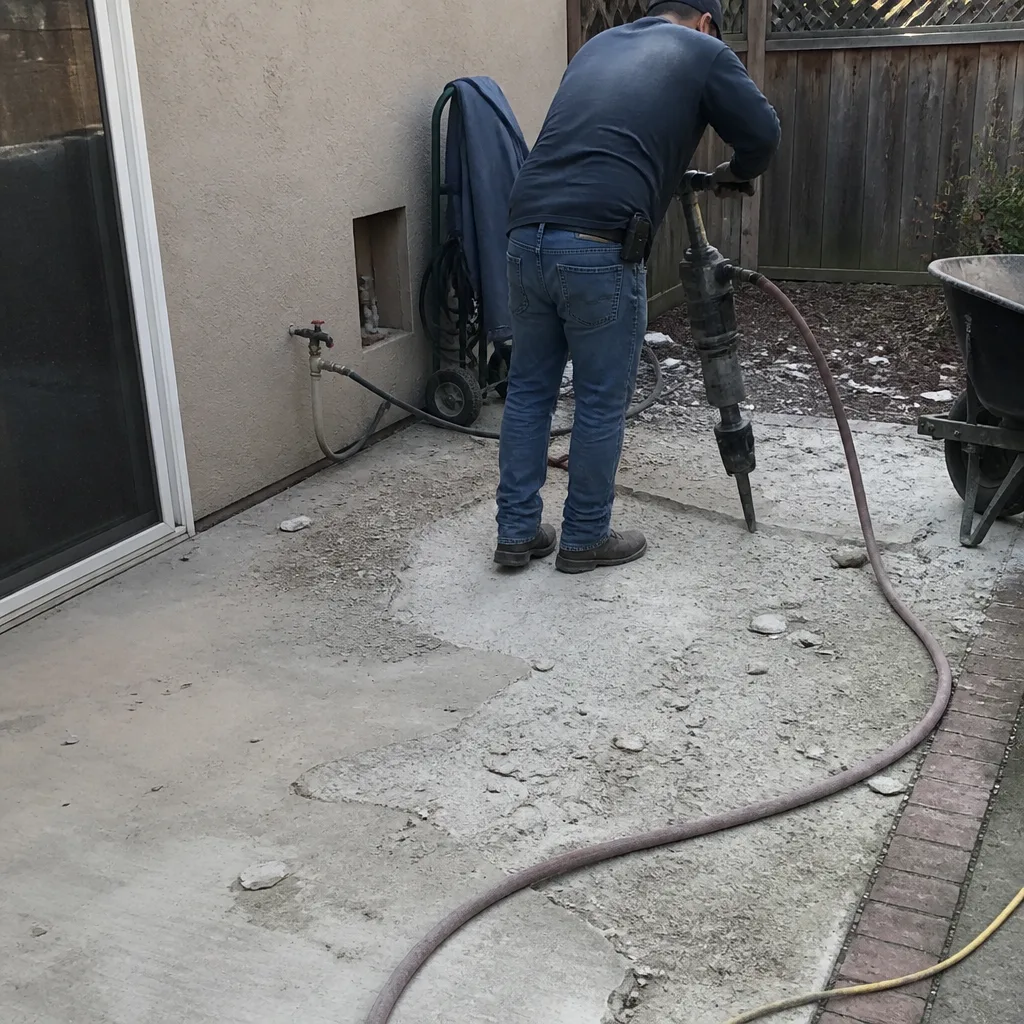
- Site access and existing hardscape: A patio that requires demolishing old concrete first adds $500 to $1,500 in demo and haul-off. Jobs in gated rear yards with no side access add labor time for materials staging. Properties in the Monta Vista hills with grade changes or retaining considerations will require additional design review before pricing is finalized.
- Drainage and permeable design: Santa Clara County encourages permeable hardscaping on residential lots as part of stormwater management compliance. Permeable pavers with open-graded base systems qualify for this, and some Cupertino projects benefit from the reduced impervious surface calculation when pulling a building permit for a large patio. The system costs more to install but can simplify the permit path – we explain this in writing on the estimate.
- Permit requirements: Most paver patios under 200 square feet and at grade level do not require a City of Cupertino building permit. Larger projects, those adjacent to structures, or those with raised elements may require a permit from the City’s Community Development Department. If a permit is needed, the application fee runs $200 to $600 depending on project scope. Rowan handles the documentation and photo record for permit compliance as a standard deliverable – not an add-on service.
 Before
 After
AfterHow to Save on Paver Patio Installation
There are real ways to reduce the cost of a paver patio in Cupertino without cutting corners on the base prep that determines how long the patio actually lasts. Here’s what works and what to watch for.
Choose a Simpler Layout
Pattern complexity drives labor hours. A running bond or 3-piece random pattern installs faster than herringbone or custom geometric designs. On a 300-square-foot patio, the difference between a simple stack bond and a diagonal herringbone can be $600 to $1,000 in labor. Belgard’s Catalina Stone and Techo-Bloc’s Bristol Ave line both look like premium product in a simple running pattern – you don’t need a complicated layout to get a good-looking result.
Keep the Shape Rectangular
Curved edges require more cutting, more waste, and more time to set edge restraints cleanly. A rectangle or L-shape with square corners is the most efficient use of labor on any hardscape project. If a curved element matters to you aesthetically, consider limiting it to one accent edge rather than the full perimeter.
Skip the Demo if the Old Surface Is Reusable
If there’s existing concrete in good condition, some projects can install pavers directly over the slab using a thin-set system rather than full excavation and base prep. This only works when the slab is level, crack-free, and properly pitched for drainage. It’s not always the right call – but when it is, it removes $800 to $1,500 from the base prep line. We evaluate this in writing and tell you exactly what the slab’s condition is before recommending either direction.
Bundle with a Driveway or Walkway Project
If you’re also considering a Paver Patio Installation in Cupertino alongside driveway or front walkway work, mobilizing crew and equipment once for both scopes saves on setup cost. A combined patio and walkway project typically costs 8 to 12 percent less per square foot than two separate mobilizations. Paver driveway installation in Cupertino runs $7,000 to $18,000 separately – bundling the scopes is one of the cleaner ways to reduce the effective cost per square foot on both.
Get a Second Opinion Before You Sign
Rowan offers a free second opinion on any written estimate from another contractor. Bring the quote in – we’ll review it line by line at no charge and explain what the numbers mean. In Cupertino’s competitive landscape (which is the only appropriate use of that word), we regularly see estimates that omit base prep depth, skip the edge restraint line entirely, or lump excavation and hauling into a single figure that’s hard to evaluate. A detailed written breakdown makes comparison straightforward.
For a free estimate on your project, call (669) 202-9618. The price we give is in writing, by scope, before any work starts.
What the Installation Process Looks Like
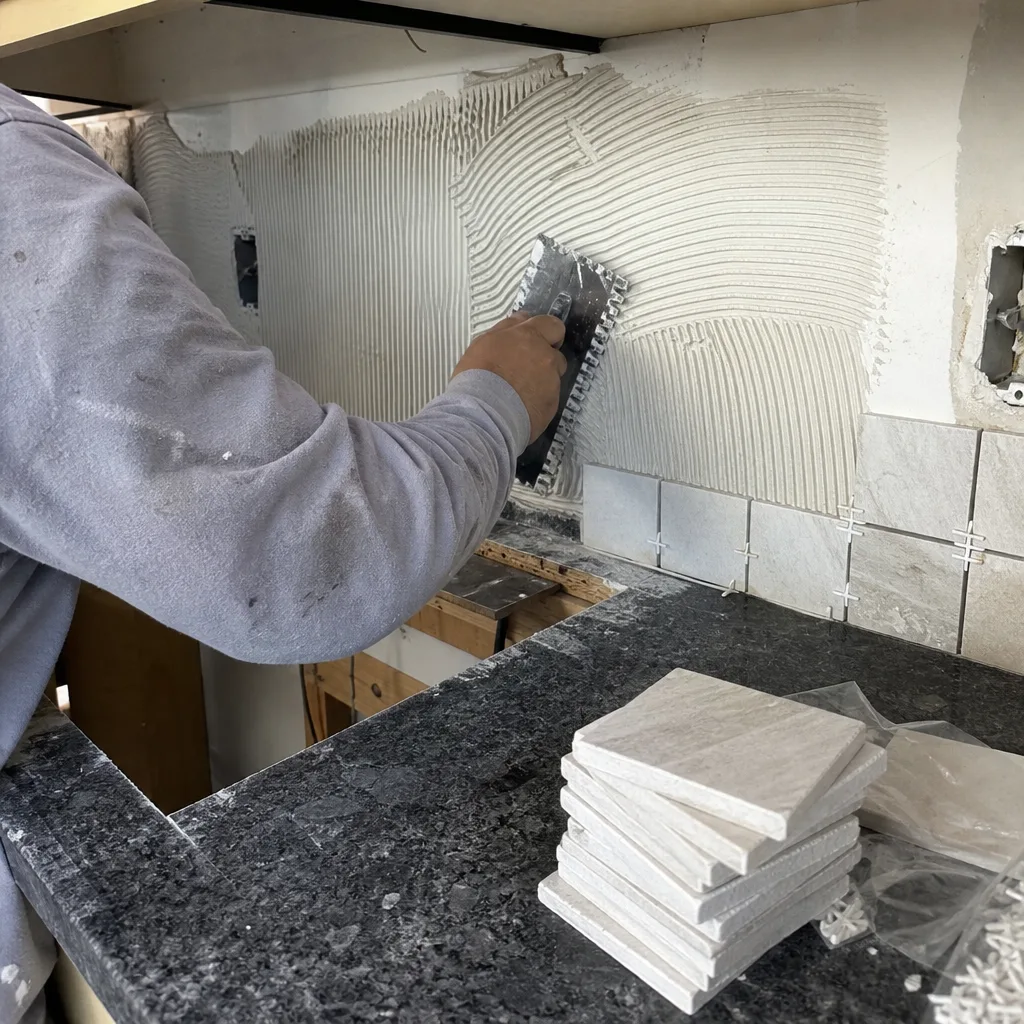
Homeowners in Cupertino who haven’t done hardscape work before often want to know what’s actually happening during the week a crew is on site. Here’s a plain description of the steps, because knowing what you’re paying for is part of getting a fair price.
Site Evaluation and Written Quote
Before anything, a Rowan crew member visits the site, measures the area, evaluates the soil condition and existing drainage, and assesses access. That visit produces a written price with a detailed scope – material specified by brand and unit, base depth specified in inches, labor broken out from materials. Under Clause 1 of the Haven Standard, no work starts until you’ve agreed to that written number. Nothing is verbal.
Excavation and Base Preparation
This is the step that determines whether a patio lasts 5 years or 25. In Cupertino’s clay soil conditions, we typically excavate 8 to 10 inches below the finished paver surface. The excavated area is then filled with compacted crushed aggregate in layers – usually two 4-inch lifts compacted with a plate compactor – to create a stable, draining base. The depth and compaction spec are written into the project scope, not left to field discretion.
Edge Restraints and Bedding Layer
Plastic or aluminum edge restraints are spiked into the aggregate base at the perimeter before any pavers are placed. These keep the field units from migrating outward over time. A 1-inch sand setting bed is then screeded over the compacted base to the correct grade and pitch for drainage – typically a 1/8-inch drop per foot away from the house.
Paver Installation
Pavers are set by hand onto the bedding layer in the specified pattern, with consistent joint spacing maintained using spacers. Units are cut at edges and around obstacles using a wet saw. At no point in this sequence does anyone use a hammer to force a unit into position – that’s a field shortcut that cracks units and destabilizes the base.
Polymeric Sand and Final Compaction
After all pavers are placed, polymeric sand is swept into the joints and the entire surface is compacted again with a plate compactor (with a protective pad) to lock units into the bedding layer. The polymeric sand is then activated with water and sets hard, resisting ant intrusion and joint erosion. Optional sealer can be applied after curing.
Documented Photo Record
The crew documents the base depth, compaction stages, and final installation with photos, and you receive that record when the job is done. This is included on every Rowan project – not because a permit requires it, but because the customer hired us for a result and should have evidence of what was built beneath the surface.
Cupertino-Specific Considerations
Cupertino has some project-specific conditions that matter when pricing a paver patio and that generic pricing guides don’t account for.
The Monta Vista neighborhood sits at the base of the Santa Cruz foothills, and rear yards on many blocks there have grade changes that require either retaining elements or a multi-level patio design. Either option adds cost – retaining walls are a separate scope entirely – but the patio itself may require step integration or a subtle grade break that adds $900 to $2,000 to the project. We flag this in the written estimate before any work begins, not during it.
The Rancho Rinconada and Homestead neighborhoods have a higher concentration of 1960s-era concrete slabs in rear yards, many of which are cracked or settled. The question of whether to demo and replace or overlay depends on the slab’s condition – which is only answerable by looking at it. Rowan’s site evaluation addresses this before the quote is written.
Cupertino’s proximity to the Bay means occasional ground-level moisture events in winter months (December through February), which affect when a patio project should be scheduled. Installing on saturated clay won’t produce a stable compacted base – so projects started in wet conditions are a false economy. We schedule around this and say so in the project timeline.
From a permit standpoint, the City of Cupertino’s Community Development Department requires a grading permit for earthwork exceeding 50 cubic yards, which most standard patio excavations won’t reach. But if your project includes any structural element – a raised platform, steps tied to the house foundation, or an attached pergola base – the permit review is different. We handle the permit paperwork and include the cost in the written scope if one is needed.
Paver Patio vs. Concrete Patio: Which Makes More Sense in Cupertino?
This is a real question worth answering directly. Poured concrete patios in Cupertino cost $4,500 to $12,000 depending on size and finish – similar base range to pavers but with a different value profile. Concrete is faster to install and slightly cheaper at the low end for plain surfaces. The tradeoff is that concrete cracks, and in Cupertino’s clay-dominant soil, it cracks more than it does in stable sandy soil conditions. Repair is limited because you’re patching a monolithic surface – the patch is always visible.
Pavers, by contrast, can be individually replaced if one unit cracks or a pipe below needs access. The surface is also more forgiving of minor settlement because it moves as a field rather than cracking across a rigid slab. For Cupertino’s soil conditions specifically, pavers tend to hold up better over a 10-15 year horizon without a repair budget line.
The answer to which makes more sense depends on your budget, your timeline, and how long you intend to stay in the home. A written estimate from Rowan covers both options if you want to compare them side by side. That’s what the home improvement process should look like: options in writing, numbers on the page, decision made by you.
FAQs – Paver Patio Installation Cost in Cupertino
How much does a paver patio cost in Cupertino, CA?
Paver patio installation in Cupertino costs $3,500 to $11,000 for most residential projects. A 200-square-foot concrete paver patio on a flat lot with standard base prep runs $3,500 to $5,000. A 400-square-foot Belgard or Techo-Bloc premium patio with custom border, drainage system, and steps integration runs $8,500 to $11,000. The biggest cost drivers in Cupertino specifically are soil condition (clay-heavy lots need deeper aggregate bases) and site access. Call (669) 202-9618 for a free written estimate tied to your actual lot and scope.
Do I need a permit for a paver patio in Cupertino?
Most paver patios at grade level and under 200 square feet in Cupertino do not require a City of Cupertino building permit. Larger projects, raised platforms, or designs integrated with a structure (like a pergola footing attached to the house) typically do require permit review through the Community Development Department. When a permit is needed, the application fee runs $200 to $600. Rowan handles the permit documentation and includes it in the written scope – no separate coordination on your end.
How long does paver patio installation take in Cupertino?
A standard paver patio installation takes 3 to 6 working days for most Cupertino residential projects. A 200-square-foot project with straightforward access and no demo runs 3 days. A 400-square-foot project with excavation of clay soil, demo of existing concrete, or limited site access runs 5 to 7 days. Timeline is written into the project scope before work starts, and any change that would affect it requires a signed change order – not a field decision.
Is it cheaper to repair or replace a paver patio?
If fewer than 15 to 20 percent of the paver units are affected and the base layer is still stable, repair is almost always cheaper – individual pavers can be pulled, the base re-leveled, and units reset or replaced for $300 to $900 depending on scope. If the base has failed across a large area (you’ll see widespread rocking, settlement lines, or water pooling in multiple locations), the cost-effective answer is replacement, because resetting pavers on a failed base just delays the same problem. A Rowan site evaluation will give you a written assessment of which situation you’re in. Call (669) 202-9618.
What paver brands does Rowan use in Cupertino?
Rowan’s primary paver suppliers include Belgard and Techo-Bloc, both of which have strong distribution into the Bay Area market and consistent product availability that supports accurate written pricing. We also source natural stone and travertine units for projects where the design calls for it. Material choices are specified by brand, product line, and color in the written quote – not listed generically as “pavers” – so you know exactly what’s being installed before the crew arrives.
Can I get a free second opinion on a paver patio estimate I already have?
Yes. Rowan’s standing offer is a free second opinion on any written estimate from another contractor. Bring the quote – we’ll go through it line by line, identify what’s specified and what’s vague, and explain what the numbers represent. There’s no obligation and no charge. Call (669) 202-9618 to set that up.
Key Takeaways
- Paver patio installation in Cupertino runs $3,500 to $11,000, with most projects landing between $5,500 and $8,000.
- Cupertino’s clay soil requires deeper base prep than many other markets – 6 to 10 inches of compacted aggregate, not the 4-inch minimum you see in drier regions.
- Permeable paver systems add $1,200 to $2,500 but can simplify the permit path for larger patios.
- Belgard and Techo-Bloc are the primary product lines Rowan quotes from; material is specified by brand in the written estimate, not listed generically.
- Most at-grade patios under 200 square feet don’t require a Cupertino building permit; larger or raised designs typically do.
- A written price is delivered before any work starts – every time, on every project, under Clause 1 of the Haven Standard.
- Rowan’s 365-Day Done Right Promise covers the finished installation: if it’s not done right, we make it right, in writing.
- Free second opinion available on any written estimate from another contractor – call (669) 202-9618.
Get a Written Estimate for Your Cupertino Paver Patio
Rowan Construction Group has delivered 4,000-plus projects since 2007, every one with a written price before work started and a documented photo record when the crew left. Grant Rowan built the company on that discipline, and it’s what the Haven Standard formalized: the number is in writing, the scope is in writing, and nothing changes without a signed change order.
If you’re planning a paver patio in Cupertino – whether it’s a 200-square-foot back yard project or a 450-square-foot entertaining space with steps and drainage – the first step is a free, written, no-obligation estimate. You’ll get a flat price with a line-item scope, material specified by brand, base prep depth specified in inches, and a timeline. No “call for a quote” placeholder. The quote is the deliverable.
Call (669) 202-9618 to schedule your estimate. A live person answers. Bring a competitor’s estimate and we’ll review it for free while we’re there.
Written by Grant Rowan, Owner at Rowan Construction Group, serving Cupertino, CA since 2007.
Pricing reflects the Cupertino market as of 2026. Rowan Construction Group Cupertino offers free estimates – call (669) 202-9618.
What Our Customers Say
"Fence and retaining wall along a sloped boundary. They photographed the footing depth at each post, which mattered when the county inspector came."
- Iona F."Final invoice was within two percent of the contract. Every change was priced and signed before anyone picked up a tool."
- Malcolm T."Talked us out of the larger scope we came in asking for, because it would not have added the value we thought."
- Emil R.