
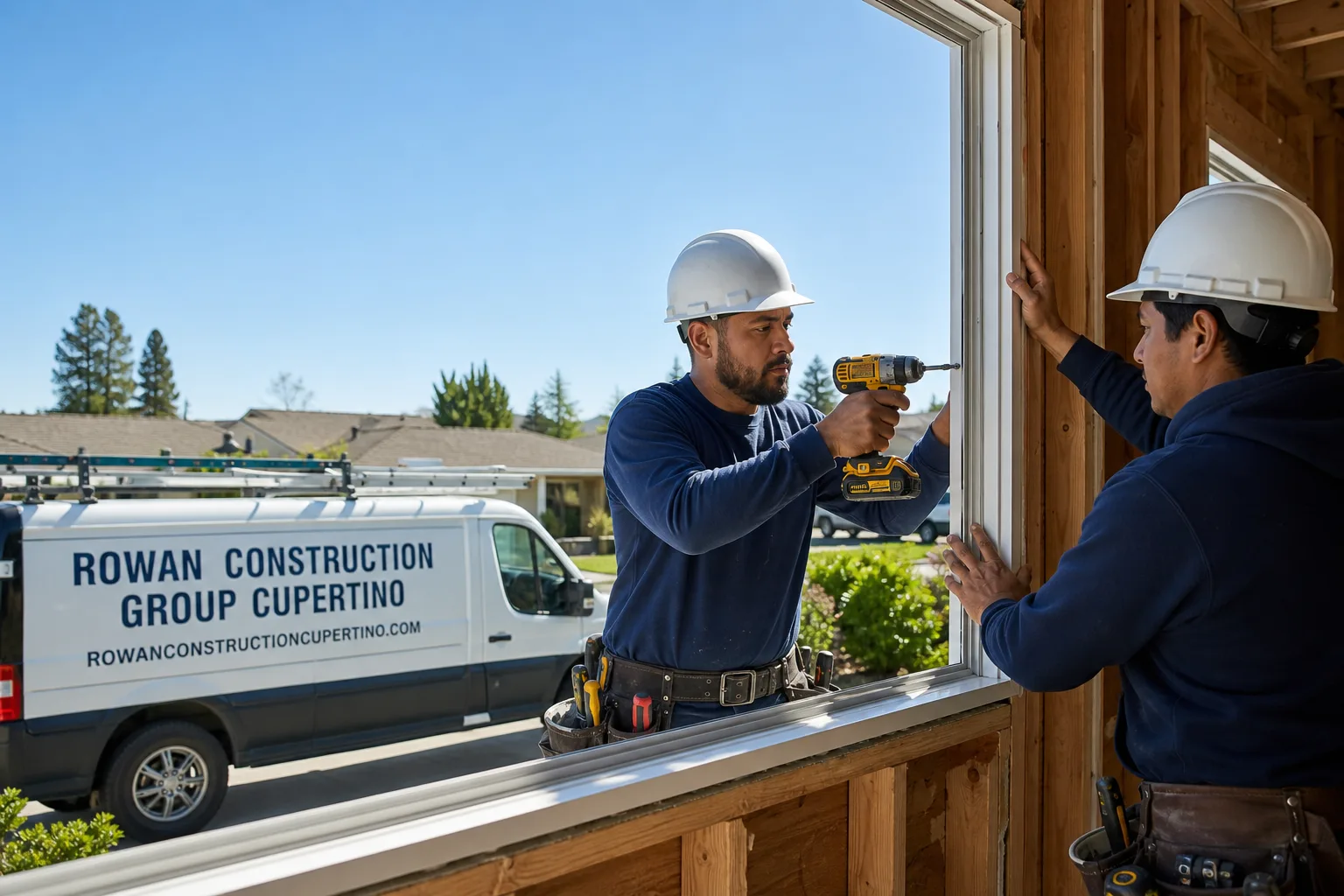
Free written scope consultation - allowances, timeline, and change-order rules on paper before a single trade is scheduled
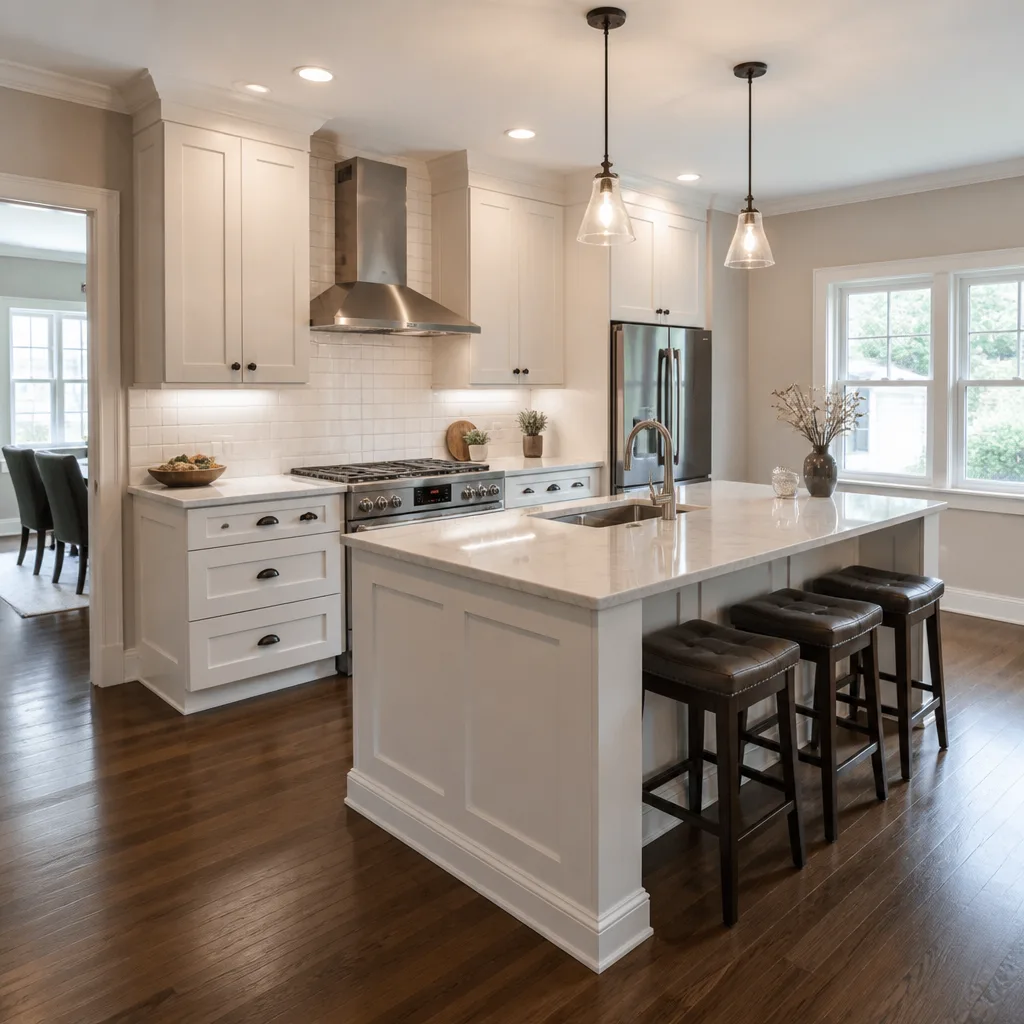
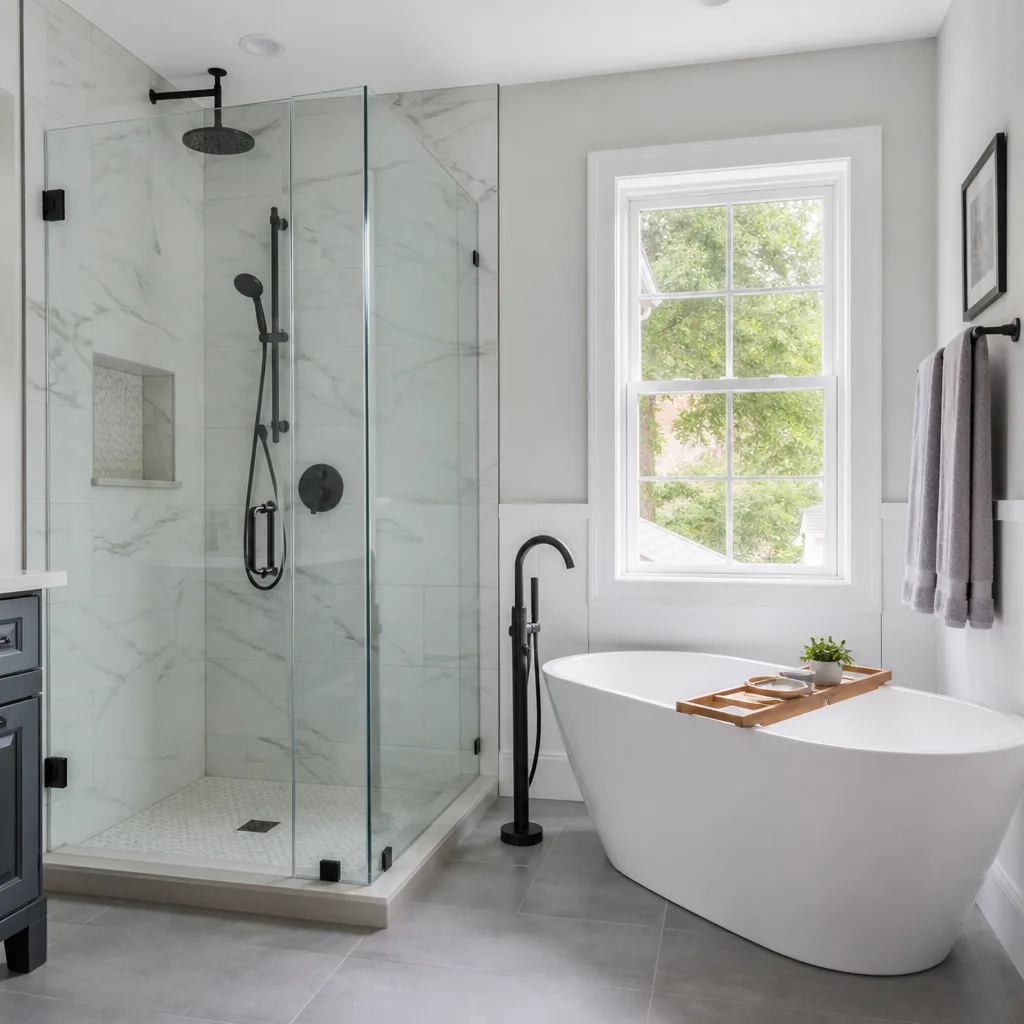
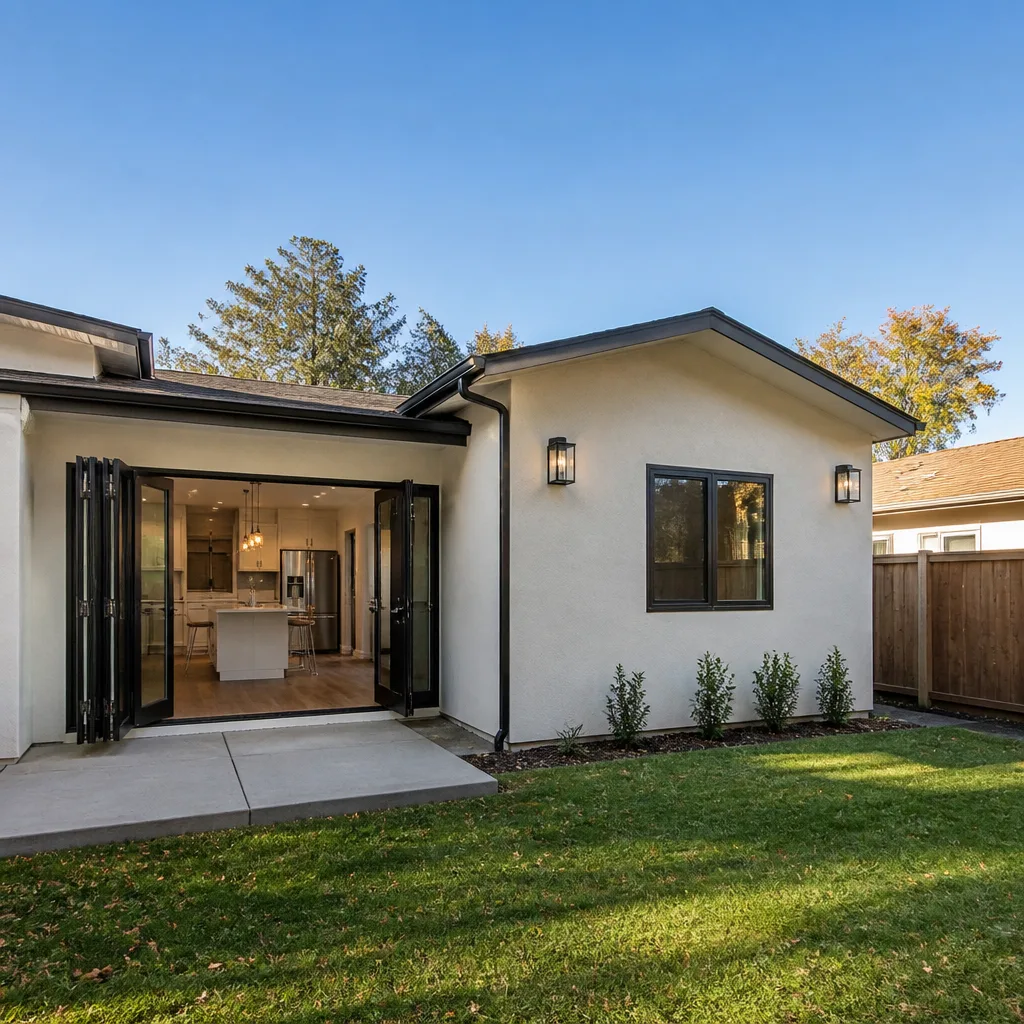
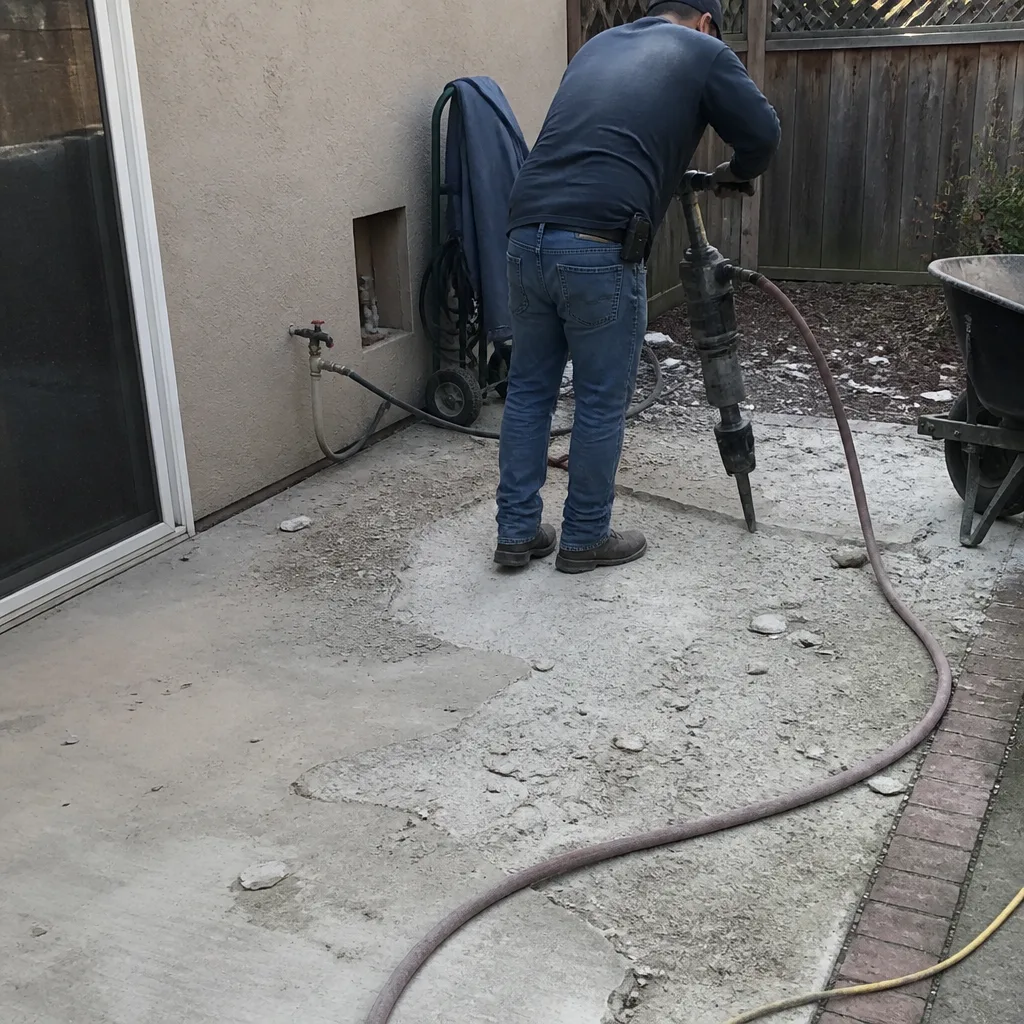 Before
 After
After Before
 After
After Before
 After
AfterHow Much Does Glass Railing Installation Cost in Cupertino?
Glass railing installation in Cupertino typically costs between $150 and $400 per linear foot, installed, which puts a standard 40-linear-foot deck or staircase railing at roughly $6,000 to $16,000 for most Cupertino homes. Frameless systems with tempered or laminated glass run higher; post-and-rail aluminum-framed systems sit at the lower end. Most projects are completed in one to three days once materials are on site.
If you want a written price specific to your home before any work starts, call (669) 202-9618 – Rowan Construction Group delivers a flat, itemized written quote, not a ballpark over the phone. That’s Clause 1 of the Haven Standard, and it applies to every project, every time.
Glass Railing Installation Cost Breakdown (2026)
Glass railing installation in Cupertino breaks into three main system types. The table below reflects installed costs – labor, hardware, and materials included – based on the Cupertino market as of 2026.
| System Type | Cost Per Linear Foot | Typical 40-LF Project |
|---|---|---|
| Aluminum-framed glass railing | $150 - $220 | $6,000 - $8,800 |
| Standoff / point-fixed frameless | $200 - $300 | $8,000 - $12,000 |
| Fully frameless (base-shoe channel) | $280 - $400 | $11,200 - $16,000 |
| Cable railing (for comparison) | $100 - $180 | $4,000 - $7,200 |
| Staircase glass railing (per LF) | $250 - $450 | Varies by rise and run |
| Second-story or elevated deck add-on | +$20 - $50/LF | Applied over base cost |
What’s Included in These Numbers
Every line item above covers tempered or laminated safety glass panels (typically 3/8-inch or 1/2-inch depending on the span), the aluminum base channel or standoff hardware, top rail if specified, substrate fastening into concrete, wood framing, or composite decking, and the labor to set, level, and secure each panel to California Building Code requirements. Cupertino sits in a seismic zone, which means posts and base channels are anchored to a higher lateral-load spec than you’d see in, say, a flatland Midwestern market – that engineering detail is factored into these ranges.
What Drives the Price Up
A few things reliably push projects toward the top of the range in Cupertino. First, site conditions: a home in the Monta Vista hills or on a slope off McClellan Road may require custom-cut panels to account for grade changes – each custom panel adds fabrication time and material cost. Second, glass thickness: 1/2-inch laminated glass for a second-story guardrail costs roughly 30 to 40 percent more than 3/8-inch tempered for a ground-level patio. Third, permit fees: Cupertino Building Division requires a permit for most exterior railing work, and plan-check fees typically add $400 to $900 to the project total depending on scope. That fee is separate from installation cost and should appear as its own line in any honest written quote.
Second-story installations also require scaffolding or elevated staging, which adds setup time. And if your existing deck substrate – the ledger board, rim joist, or concrete curb that the railing anchors to – is deteriorated, that substrate repair happens before railing goes in. At Rowan Construction Group, the pre-work inspection documents exactly what the substrate looks like with photos before any scope is finalized, so there are no surprises mid-project.
What Keeps the Price Down
Straight runs of railing on a flat deck surface are the most efficient to install. If your Cupertino backyard has a simple rectangular patio with a standard 42-inch guard height and no stair transitions, you’re looking at the low-to-mid range. Aluminum-framed systems using stock panel widths – rather than custom-fabricated frameless panels – also cut both lead time and cost. And combining glass railing with another exterior project, like a paver patio refresh, can reduce mobilization costs since the crew is already on site.
What Affects Glass Railing Installation Pricing in Cupertino
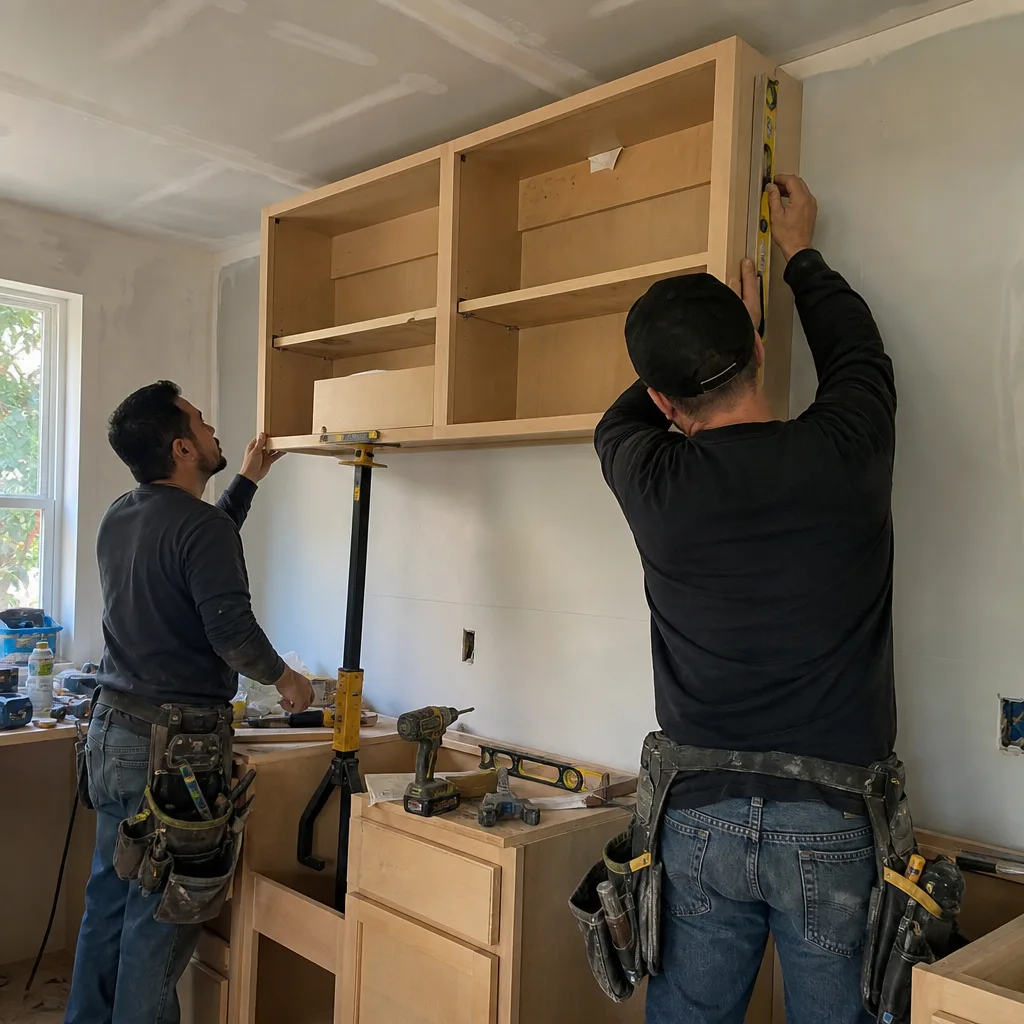
- System type (framed vs. frameless): Aluminum-framed systems are manufactured to standard dimensions and install faster. Fully frameless systems use a continuous base-shoe channel routed into the substrate – more labor, more precision, higher cost. The visual difference is significant; the price difference is $80 to $150 per linear foot.
- Glass specification: California code for exterior guardrails requires tempered or laminated safety glass. Laminated glass (two panes bonded with an interlayer) holds together if cracked, which is why it’s specified for overhead and elevated applications. It costs more per panel. Tinted or low-iron glass, which reads clearer than standard float glass, adds another $15 to $30 per square foot to the glass cost alone.
- Cupertino seismic and wind loading: Santa Clara County’s seismic zone requires that post anchors and base channels meet lateral load requirements beyond what most other states mandate. Installers working in Cupertino should pull a permit and have the design reviewed – which Rowan does as standard practice. Contractors who skip the permit are cutting a corner that shows up in the inspection when you sell the home.
- Linear footage and corner count: Each inside or outside corner requires a special fitting or a mitered panel, adding both material cost and installation time. A simple square deck with four 90-degree corners adds less complexity than an irregular shape with six corners and a stair return.
- Substrate condition: Older Cupertino homes – particularly those in the Rancho Rinconada or Seven Springs neighborhoods built in the 1960s and 70s – sometimes have deck ledger boards or patio curbs that need sistering or reinforcement before a glass railing can anchor properly. That repair is priced separately but affects the total project cost.
- Height and access: Ground-level patios are straightforward. Second-story decks – common on Cupertino homes built on the slope above Highway 85 – require more setup and carry the elevated-work premium noted in the table above. Labor rates in Santa Clara County also reflect the local cost of living, which pushes the floor higher than inland California markets.
 Before
 After
AfterGlass Railing System Options: Which One Makes Sense for Your Home
Aluminum-Framed Glass Panels
This is the most common entry point for Cupertino homeowners who want the look of glass without the top-end price. The glass panels sit inside an aluminum top rail and bottom channel, with aluminum vertical posts spaced every few feet. The frame is visible, but modern powder-coat finishes in black, bronze, or brushed silver disappear against most exterior palettes. Brands like Trex, Deckorators, and Fortress Building Products manufacture reliable systems in this category, and Rowan sources from vetted suppliers so the quoted material cost is an honest number, not a placeholder.
Standoff / Point-Fixed Systems
A step up visually and in price. Each glass panel is fastened with stainless steel standoffs – circular or square hardware pieces – that bolt through the panel at predetermined points. The result is a near-frameless look with visible hardware as the design element. Popular in contemporary Cupertino homes in the Rancho Rinconada area and new construction in and around N. Stelling Road. The hardware has to be torqued correctly and the holes in the glass factory-drilled to exact tolerances; this is not a DIY-tolerant system.
Fully Frameless (Base-Shoe Channel)
The most visually open option. Glass panels slide into a continuous aluminum or stainless steel channel that’s fastened to the substrate at the base – no top rail, no visible posts. You see glass and horizon, nothing else. This system requires the flattest, most stable substrate of the three options; any movement in the deck or concrete will telegraph into the channel alignment over time. It’s also the system that benefits most from a photo-documented substrate inspection before installation begins, which is why that inspection is standard practice at Rowan, not an optional upgrade.
Staircase Railings
Stair glass railings in Cupertino are priced separately from flat deck runs because the cutting and fitting complexity multiplies. Each panel must account for the rake angle of the stair, and California code requires a graspable top rail on any staircase railing – meaning a true frameless look isn’t code-compliant for stairs without adding a separate handrail above the glass. Most stair projects combine a glass panel system with a wall-mounted or post-mounted round or oval top rail in brushed nickel or black. Budget $250 to $450 per linear foot measured along the stair run.
Permits and Code Requirements in Cupertino
Cupertino’s Building Division requires a permit for exterior railing replacement or new installation in most cases. The permit triggers a plan check – a review of the design drawings to confirm the railing meets California Building Code Section 1015 (guards) and Section 1014 (handrails). For glass specifically, the code requires the glass to be safety-glazed per CPSC 16 CFR Part 1201 or ANSI Z97.1, and the structural attachment to meet a 200-pound concentrated load requirement at the top of the rail.
Plan-check fees at the Cupertino Building Division typically run $400 to $900 for a straightforward railing scope. Inspection scheduling in Cupertino can add a few days to a project timeline, so factor that in when planning. Rowan handles permit filing as part of the project scope – it’s documented in the written quote, not buried in small print.
One note worth making plainly: contractors who offer to skip the permit to save you time or money are creating a problem for your next home sale or refinance. An unpermitted railing will show up in a title search, require retroactive permitting or removal, and can complicate your homeowner’s insurance if a guest is injured. The permit cost is modest relative to the project total. Pull it.
How to Save on Glass Railing Installation in Cupertino
Glass railing isn’t a category where the cheapest bid is the right answer – the material and labor quality gap between the low bid and the honest bid is real, and it shows in the alignment, the seal at the base channel, and whether the substrate was actually inspected before panels went in. That said, there are legitimate ways to keep the project on the lower end of the range.
- Choose an aluminum-framed system over fully frameless if the view is what matters to you, not the minimalist hardware look. You get the same glass panels and the same sightlines for $80 to $150 less per linear foot.
- Keep the layout simple. Straight runs with minimal corners are the most efficient to install. If your patio design allows for a straightforward rectangular perimeter, price it that way before adding complexity.
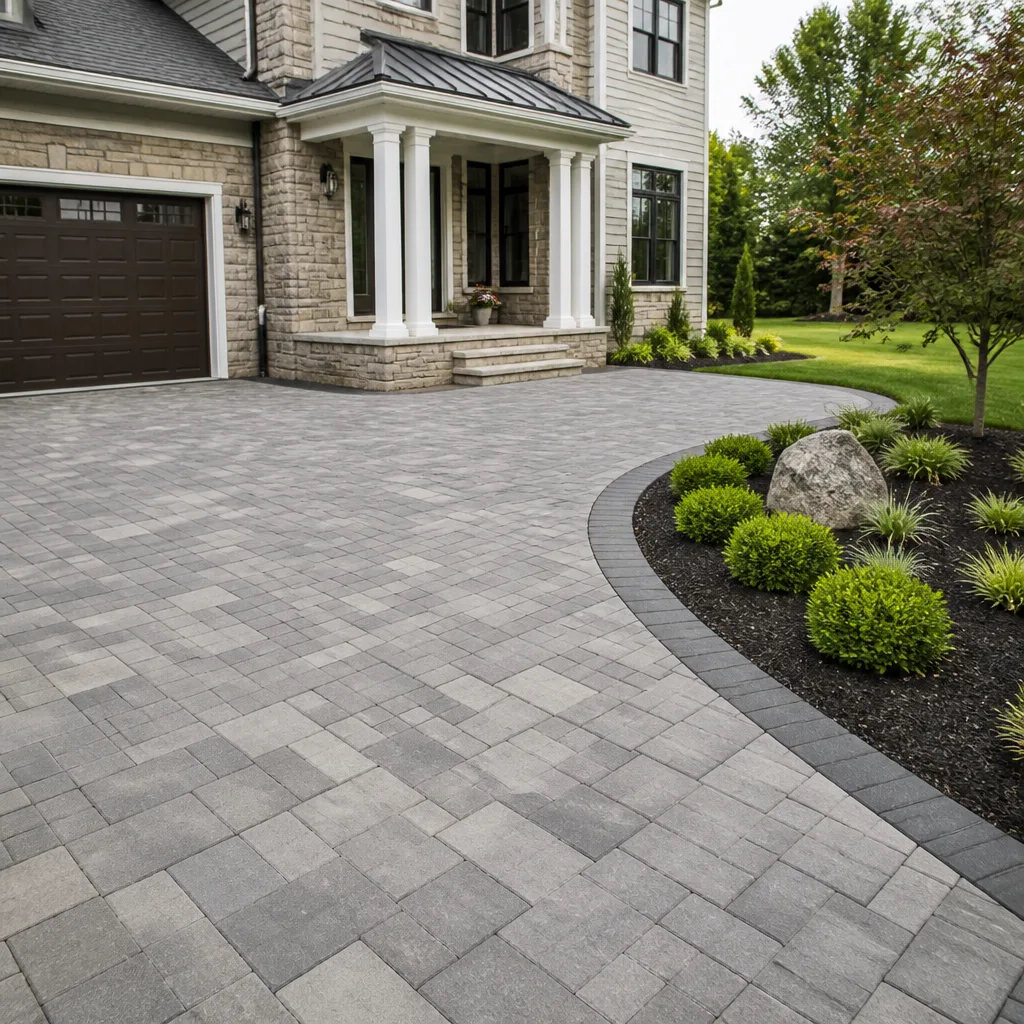
- Combine with another exterior project. If you’re already planning a paver patio installation – which in Cupertino runs $3,500 to $11,000 – scheduling the glass railing at the same time eliminates a second mobilization trip. The crew is already there; the savings in setup logistics are real.
- Use standard panel widths. Custom-fabricated frameless panels are cut to order; stock-width panels used in framed and standoff systems are pulled from inventory. Where your layout accommodates standard spacing, use it.
- Get a written quote – not a verbal range – before you commit. A written quote forces the contractor to account for every line item: permit fees, substrate repair if needed, hardware finish, glass spec, and cleanup. Verbal ranges tend to grow. Call (669) 202-9618 and Rowan will deliver a written price before any work starts – under Clause 1 of the Haven Standard, that’s not optional on our end.
- Ask about a free second opinion. If you already have a competitor’s written estimate, Rowan’s standing offer is to review it line by line at no charge. Bring the quote. We’ll tell you what’s in it, what might be missing, and where the numbers sit relative to the current Cupertino market.
Glass Railing vs. Other Railing Options in Cupertino
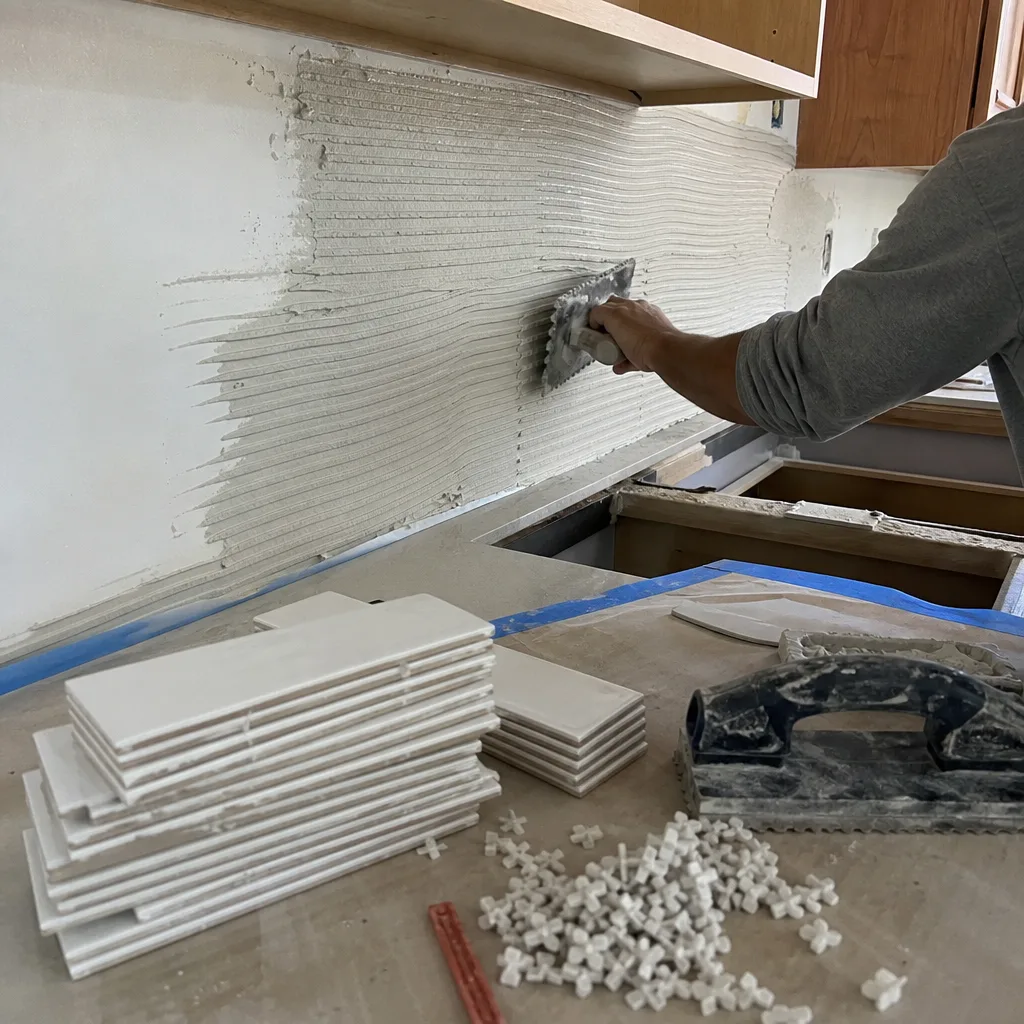
Glass railing installation costs more than most alternatives, but the comparison is worth putting in writing so you have actual numbers to work with.
- Wood railing: $60 to $120 per linear foot installed. Lower upfront cost, higher maintenance in Cupertino’s wet winters and dry summers, which cycle wood through repeated expansion and contraction. Painting or staining every three to five years is a real cost.
- Aluminum railing (no glass): $80 to $160 per linear foot installed. Durable, low maintenance, available in dozens of powder-coat finishes. The tradeoff is that aluminum pickets block more sightline than glass panels – meaningful on a Cupertino lot with a garden or hillside view behind the deck.
- Cable railing: $100 to $180 per linear foot installed. Open sightlines like glass, lower material cost, but cables require periodic tensioning (twice a year is typical) and some homeowners find the horizontal lines visually busy. California code also restricts cable spacing to prevent climbing by children.
- Glass railing: $150 to $400 per linear foot installed. The highest material and labor cost, but the lowest maintenance of any open-view option. Tempered and laminated glass doesn’t rust, rot, or require painting. Cleaning is occasional and requires nothing more than a glass cleaner and a squeegee.
For homes in Cupertino’s higher-value corridors – Monta Vista, Garden Gate, or along the slopes north of Stevens Creek Boulevard – glass railing is also an aesthetic and resale consideration. An outdoor space finished with frameless glass reads differently to a buyer than one with aluminum pickets or wood balusters. That’s not a guarantee of ROI, but it’s a real factor in a market where buyers compare finish levels closely.
What the Installation Process Looks Like
Knowing what happens on site helps you evaluate any contractor’s proposal. Here’s how Rowan approaches a glass railing installation in Cupertino, from first visit to final inspection.
Step 1 – Site inspection and documentation. Before any quote is finalized, the crew documents the existing substrate with photos – the condition of the ledger board, concrete curb, or deck framing that the railing will anchor to. Those photos go to you. If the substrate needs repair, it’s scoped and priced in writing before the job starts.
Step 2 – Written quote and permit filing. You receive a flat written price covering every line item: materials, labor, permit fees, and any substrate prep. No change proceeds without a signed change order – that discipline is the reason Rowan’s projects finish within a few percent of the agreed price across more than 4,000 jobs since 2007.
Step 3 – Material procurement. Glass panels are ordered to spec – thickness, tint, and safety glazing certification documented. Lead times for custom-cut frameless panels typically run one to two weeks in the current supply environment; framed system panels from stock inventory can often be sourced faster.
Step 4 – Installation. Most Cupertino glass railing projects run one to three days on site. The crew sets the base channel or posts, drops panels, fits the top rail if specified, and completes the final adjustment so every panel is plumb and the channel seal is tight at the substrate. Grant Rowan or a designated lead reviews the completed installation before the crew leaves.
Step 5 – City inspection and photo close-out. The Cupertino inspector signs off on the permit, and the customer receives the documented photo record of the completed installation. That record is yours – useful for your home sale file, your insurance carrier, and the 365-Day Done Right Promise, which covers the installation for a full year. If anything is not right, Rowan makes it right. That’s in writing, backed by the Haven Standard, not a handshake.
FAQs – Glass Railing Installation Cost in Cupertino
How much does glass railing installation cost in Cupertino?
Glass railing installation in Cupertino costs $150 to $400 per linear foot installed, depending on system type. A typical 40-linear-foot patio or deck railing runs $6,000 to $16,000. Frameless base-shoe systems sit at the top of that range; aluminum-framed systems sit at the bottom. Call (669) 202-9618 for a written quote specific to your project – Rowan delivers a flat written price before any work starts, every time.
Do I need a permit for glass railing installation in Cupertino?
Yes, in most cases. Cupertino’s Building Division requires a permit for exterior railing replacement or new installation that triggers a plan-check review. Permit and plan-check fees typically add $400 to $900 to the project total. Rowan files the permit as part of the project scope – it appears as a line item in the written quote. Skipping the permit creates problems at resale and with your insurer; it’s not a shortcut worth taking.
How long does glass railing installation take in Cupertino?
Most residential glass railing installations in Cupertino take one to three days on site once materials are ready. The longer part of the timeline is material procurement: custom-cut frameless panels typically have a one-to-two-week lead time, while stock-width framed system panels can arrive faster. The city inspection is scheduled separately and typically adds one to three business days to the permit close-out.
Is frameless glass railing worth the extra cost?
Frameless systems cost $80 to $150 more per linear foot than aluminum-framed alternatives. Whether that premium makes sense depends on two things: the view behind the railing and how much the finish level matters for resale. In Cupertino, where outdoor living spaces are scrutinized by buyers, a frameless glass railing on a deck facing the Santa Cruz Mountains or a well-landscaped garden tends to hold its value in the sale. On a ground-level patio with a fence line six feet away, an aluminum-framed system delivers the same glass panels at a lower price point with no practical difference in durability.
Can glass railing be installed on an existing deck or concrete patio?
Yes, provided the substrate is structurally sound. Glass railing base channels and posts anchor into wood framing, concrete, or composite decking. The attachment points carry significant lateral load under California’s seismic code, so the substrate condition matters. A deteriorated ledger board or cracked concrete curb needs to be addressed first – that’s substrate repair, priced separately. Rowan documents the substrate condition with photos at the inspection stage so there are no surprises mid-project. If repair is needed, it’s in the written quote before anyone starts.
What’s the difference between tempered and laminated glass for railings?
Both are safety-glazed as California code requires. Tempered glass is heat-treated to break into small, relatively harmless pieces rather than large shards – standard for most ground-level and vertical railing panels. Laminated glass has two panes bonded with a polymer interlayer; it holds together even when cracked, which is why it’s required for overhead glazing and specified for elevated or second-story guardrails where a falling panel would be a serious hazard. Laminated glass adds roughly $15 to $30 per square foot over tempered. Your Cupertino permit plan-check will confirm which spec applies to your installation height and use.
Get a Written Price for Your Cupertino Glass Railing Project
If you’re comparing quotes for Glass Railing Installation in Cupertino, the most useful thing any contractor can do is put the number in writing before anyone picks up a tool. Rowan Construction Group has delivered written prices on more than 4,000 projects since 2007 – every one of them flat, itemized, and signed before work starts. Under Clause 1 of the Haven Standard, that’s not optional on our end.
Call (669) 202-9618 to schedule a site inspection and receive your written quote. If you already have a competitor’s estimate, bring it – Rowan’s Free Second Opinion means we’ll review it line by line at no charge, so you know exactly what you’re comparing. The 365-Day Done Right Promise covers the completed installation for a full year, backed by the Haven Standard in writing, not a handshake.
You can also learn more about our full residential services on the home page, including our approach to every trade from kitchen remodeling to home additions.
Written by Grant Rowan, Owner at Rowan Construction Group, serving Cupertino since 2007.
Pricing reflects the Cupertino market as of 2026. Rowan Construction Group Cupertino offers free estimates – call (669) 202-9618.
What Our Customers Say
"Solid work, decent crew, and the site was left tidy every evening."
- Pearl A."Fence and retaining wall along a sloped boundary. They photographed the footing depth at each post, which mattered when the county inspector came."
- Iona F."Final invoice was within two percent of the contract. Every change was priced and signed before anyone picked up a tool."
- Malcolm T.