
Free written scope consultation - allowances, timeline, and change-order rules on paper before a single trade is scheduled


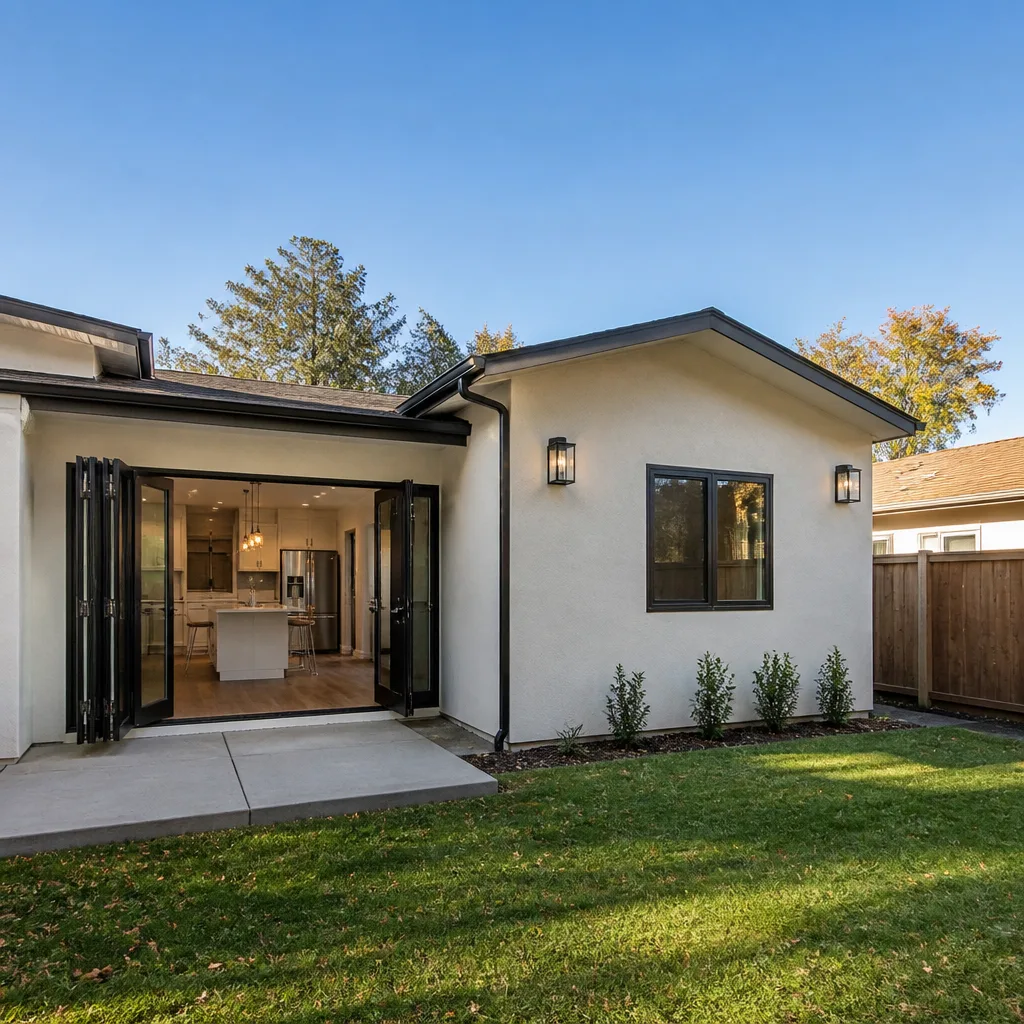



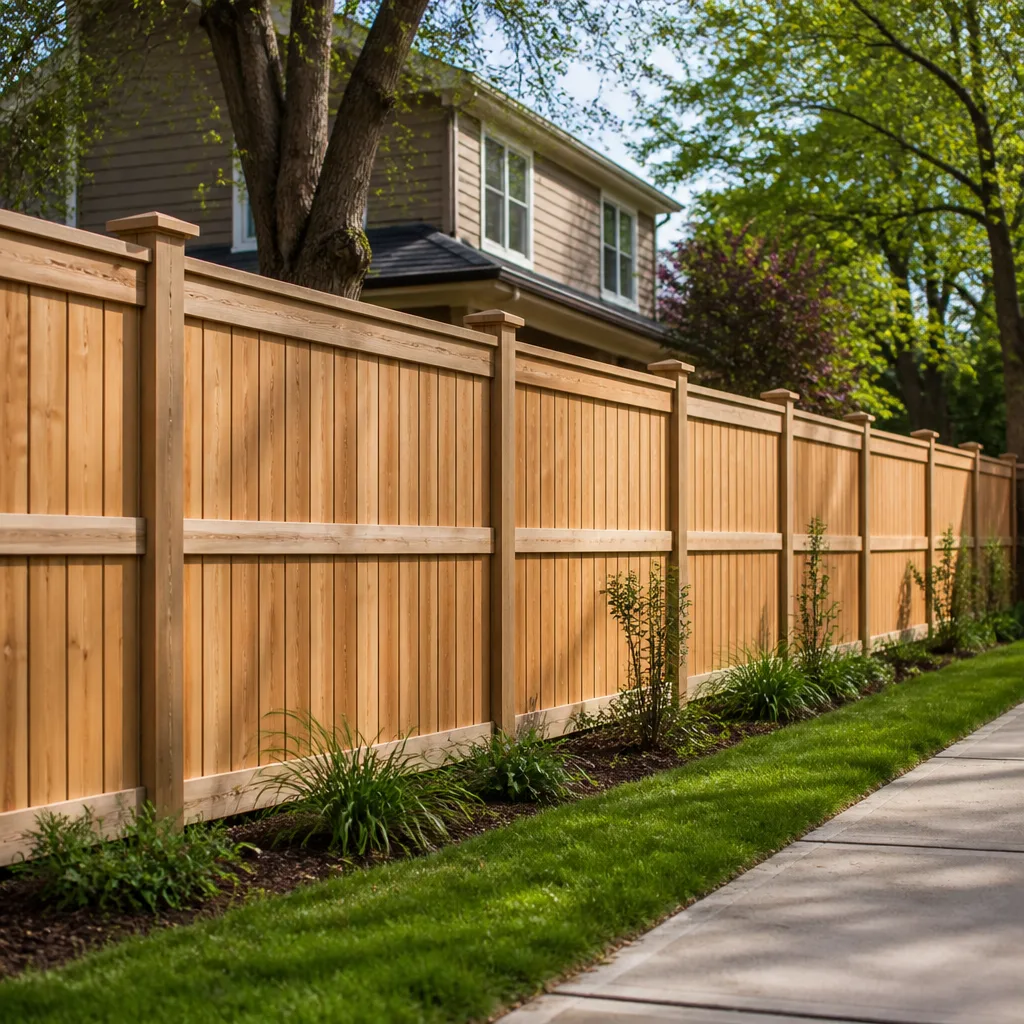
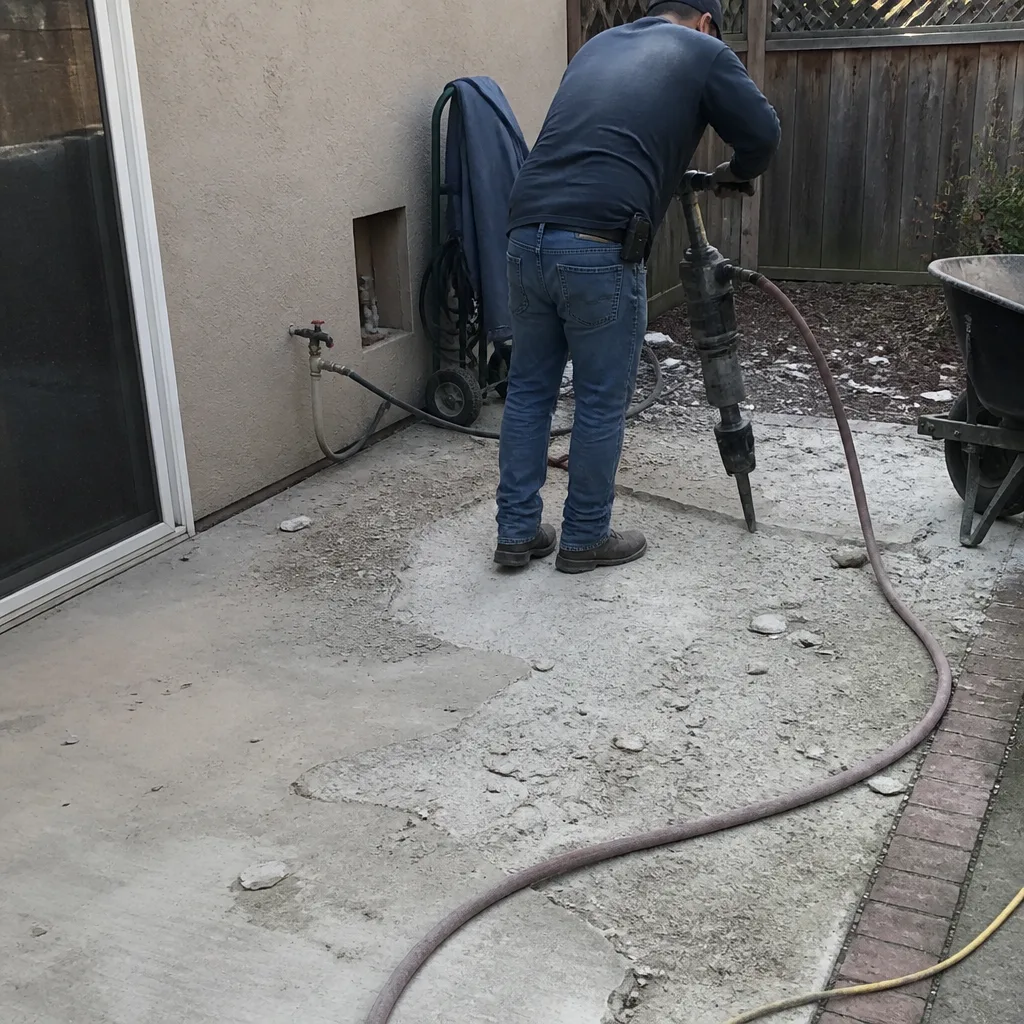 Before
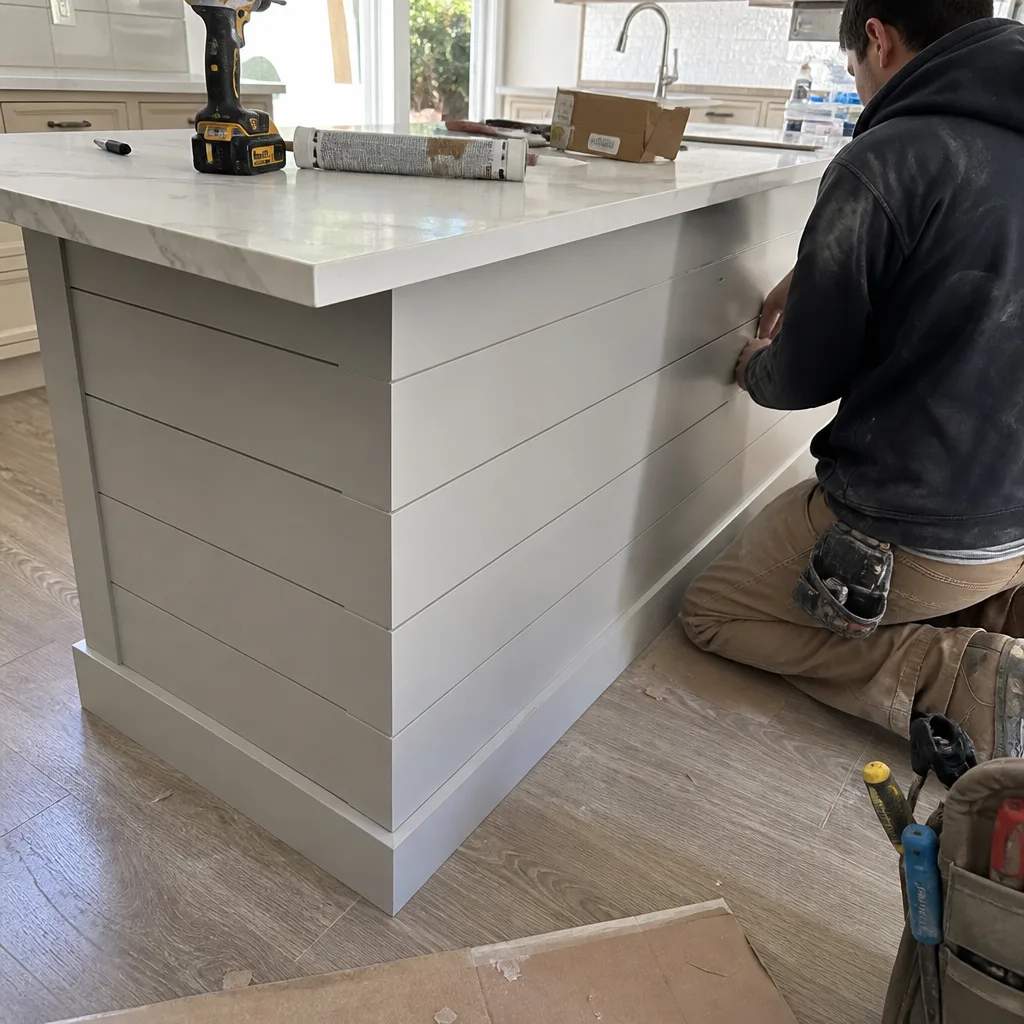 After
After Before
 After
After Before
 After
AfterQuikrete Home Additions & ADU: The Cupertino Owner’s Guide
Quikrete concrete and masonry products are the structural backbone of most home additions and ADUs built in Cupertino over the past two decades, from foundation footings to slab pours to retaining walls. When a Quikrete-reliant element in your addition or ADU shows distress, replacement or reinforcement typically runs $45,000-$130,000 for structural remediation, depending on whether we’re addressing a failing stem wall, a cracked slab, or a compromised retaining system. We stock Quikrete-compatible reinforcement materials and can assess the damage same-day in Cupertino, Monta Vista, and the surrounding Santa Clara Valley.
Most Cupertino homeowners discover Quikrete failure during a routine inspection, after noticing new cracks in drywall, or when a door that once closed square starts binding against the jamb. The clay-heavy soils in this part of Santa Clara County expand and contract with seasonal moisture shifts, and that movement stresses concrete elements that were poured without adequate expansion joints or reinforcement. Measure twice, document once, explain it plainly - that’s how we approach every failing foundation or slab we encounter.
Which Quikrete Models This Applies To
Quikrete is not a single product but a system of mixes and repair compounds, and the right remediation depends on what was originally specified. For Cupertino additions and ADUs built between 1995 and 2015, we most commonly encounter Quikrete Concrete Mix (the gray 80-lb bag, often specified as 3500-4000 psi), Quikrete Crack-Resistant Concrete Mix (with synthetic fibers for slab work), and Quikrete Fast-Setting Concrete Mix (used for post footings and small pads). Newer ADUs may specify Quikrete 5000 High Early Strength for post-tensioned slabs, which carries a different cure profile and shrinkage rate.
To identify what you’re working with, check the original permit drawings filed with the City of Cupertino - the concrete specification is typically noted in the structural notes. If those are unavailable, we can core-sample the slab or wall to determine compressive strength and aggregate composition. The OEM approach matches like-for-like: Quikrete 4000 for Quikrete 4000. For structural repairs, we sometimes specify an aftermarket equivalent like Sakrete High-Strength or a specified ready-mix from a local plant, but only when the engineer of record approves the substitution in writing. One compatibility gotcha in Cupertino’s older additions: some contractors used Quikrete Fast-Setting for full slab pours to speed the schedule, and that mix can develop shrinkage cracks sooner than standard-cure concrete in our warm, dry summers.
Signs Your Quikrete Home Additions & ADU Is Failing
- Stair-step cracks in stucco or drywall near addition corners. These follow the mortar joints or framing seams and indicate differential settlement - one part of the Quikrete footing or slab is sinking while another holds firm. In Cupertino’s Monta Vista area, we see this where cut-and-fill lots weren’t properly compacted before the original pour.
- Doors and windows that stick or won’t latch. When a Quikrete slab or stem wall shifts even a quarter-inch, the framing above racks out of square. The symptom is cosmetic; the cause is structural movement that will accelerate if the underlying soil or drainage issue isn’t addressed.
- Water pooling against the addition foundation after rain. Quikrete is porous - not waterproof - and chronic moisture exposure degrades the surface paste, exposing aggregate and eventually undermining rebar. In Cupertino’s winter wet season, poor grading sends water where it shouldn’t go.
- Visible spalling or flaking on exposed concrete surfaces. The surface layer pops off in coins or scales, usually from freeze-thaw cycling (rare here) or from chloride exposure if de-icing salts were used, or from alkali-silica reaction with local aggregates. Spalling deeper than half an inch signals structural concern.
- Sagging or bouncing floors in the addition. If the Quikrete slab was poured over uncompacted fill or without a proper vapor barrier, moisture intrusion can erode the subgrade. The slab itself may be intact but no longer supported from below - a condition that worsens with every irrigation cycle or heavy rain.
 Before
 After
AfterReplacement Cost & What’s Included
| Scope | Cupertino Price Range | Typical Duration |
|---|---|---|
| Structural crack repair with epoxy injection | $2,500-$6,500 | 1-2 days |
| Partial stem wall rebuild (Quikrete or specified mix) | $8,000-$18,000 | 3-5 days |
| Slab replacement, addition footprint | $15,000-$35,000 | 5-7 days |
| Full addition foundation remediation | $45,000-$130,000 | 2-4 weeks |
| ADU foundation and slab, new construction | $90,000-$220,000 | 6-10 weeks |
The range depends on three factors: access (can we get a mini-excavator to the work area, or is everything hand-dug?), the need for shoring (is the addition occupied during repair?), and the engineering requirement (Cupertino requires a structural engineer’s stamp for any foundation modification). Our quote includes the engineer, the permit pull, the concrete delivery, the pour and finish, and the documented photo record. Under Clause 1 of the Haven Standard, the price is written before anyone starts - no change proceeds without a signed change order. The 365-Day Done Right Promise covers the workmanship; material defects fall to the manufacturer’s warranty.
DIY or Call Us?
There’s a clear line between what a Cupertino homeowner can safely assess and what requires a licensed contractor with structural experience. You can check: whether downspouts discharge against the foundation, whether soil has pulled away from the stem wall (a gap wider than two fingers is worth noting), and whether cracks are growing - photograph them with a coin for scale, then compare in 60 days. Do not attempt to jack, shim, or cut into a load-bearing Quikrete element yourself; the rebar inside is under tension, and a compromised slab can collapse without warning. In California’s seismic zones, improper repair can also invalidate your earthquake insurance coverage. For anything beyond surface observation, call (669) 202-9618. We’ll document what we find, explain it plainly, and give you a written price before any work starts.
FAQs
Properly placed Quikrete concrete in a residential foundation or slab should perform for 50-75 years, but we’ve seen failures in Cupertino at 15-25 years where the mix was wrong for the application, the subgrade wasn’t compacted, or drainage was ignored. Call (669) 202-9618 for an assessment - estimates are free.
Hairline cracks can often be stabilized with epoxy injection or polyurethane grouting; structural cracks wider than a quarter-inch, or any crack with vertical displacement, usually indicate a problem below the slab that patching won’t solve. We bring a structural engineer on these calls to determine which path is appropriate. Call (669) 202-9618 for an exact quote - estimates are free.
Epoxy injection repairs finish in a day; partial stem wall rebuilds take 3-5 days; full slab replacement runs 5-7 days plus cure time before framing can resume. We build a phased timeline into every written quote so you know week by week what to expect. Call (669) 202-9618 to schedule your free estimate.
We maintain relationships with suppliers carrying Quikrete, Sakrete, and specified ready-mix from Central Concrete and Graniterock - whichever the engineer specifies, we source at our trade pricing and pass through without markup. The materials list in your written quote names the brand, the mix design, and the line-item cost. Call (669) 202-9618 to schedule your free estimate.
Rowan Construction Group Cupertino is an independent contractor and is not affiliated with Quikrete. We also stock and install materials from KraftMaid, Cambria, and Silestone across our seven trades.
Written by Grant Rowan, Owner, Rowan Construction Group Cupertino at Rowan Construction Group Cupertino, serving Cupertino and nearby areas.