
Free written scope consultation - allowances, timeline, and change-order rules on paper before a single trade is scheduled
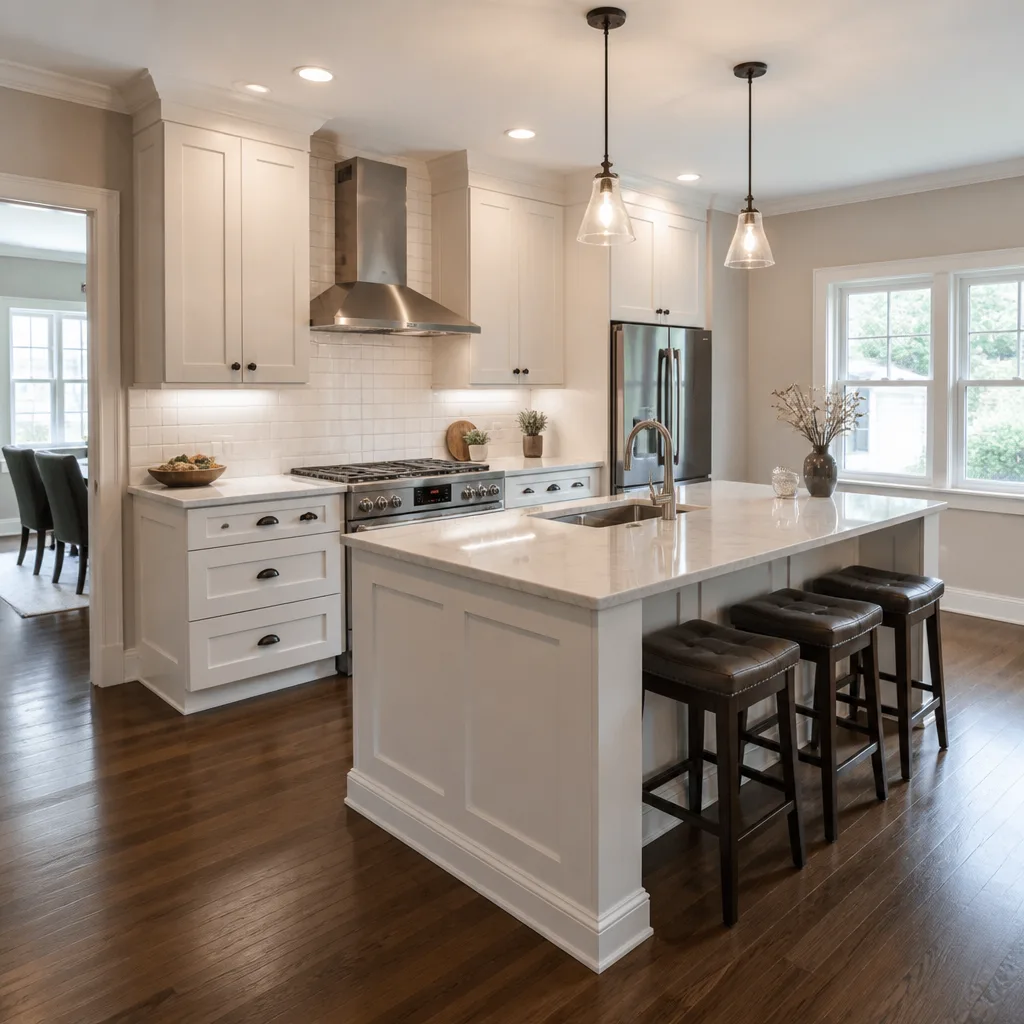
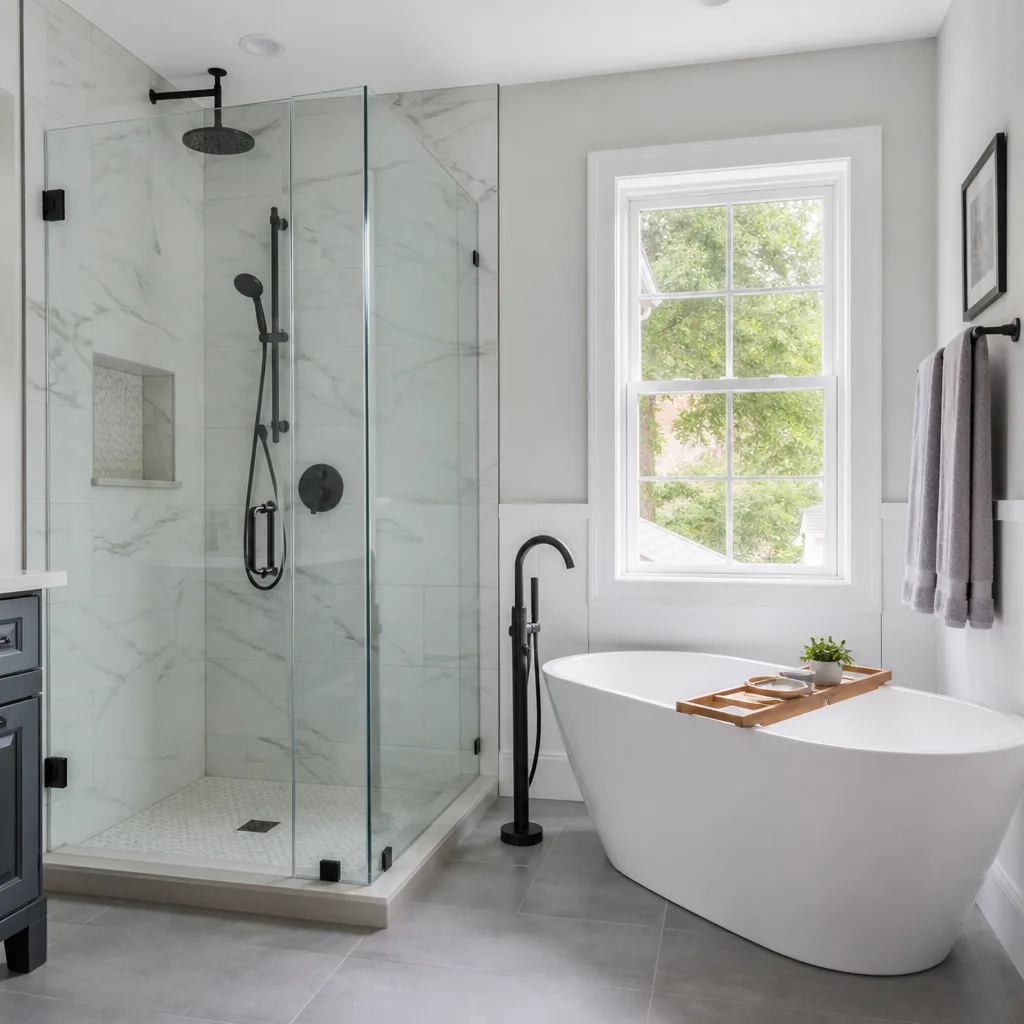
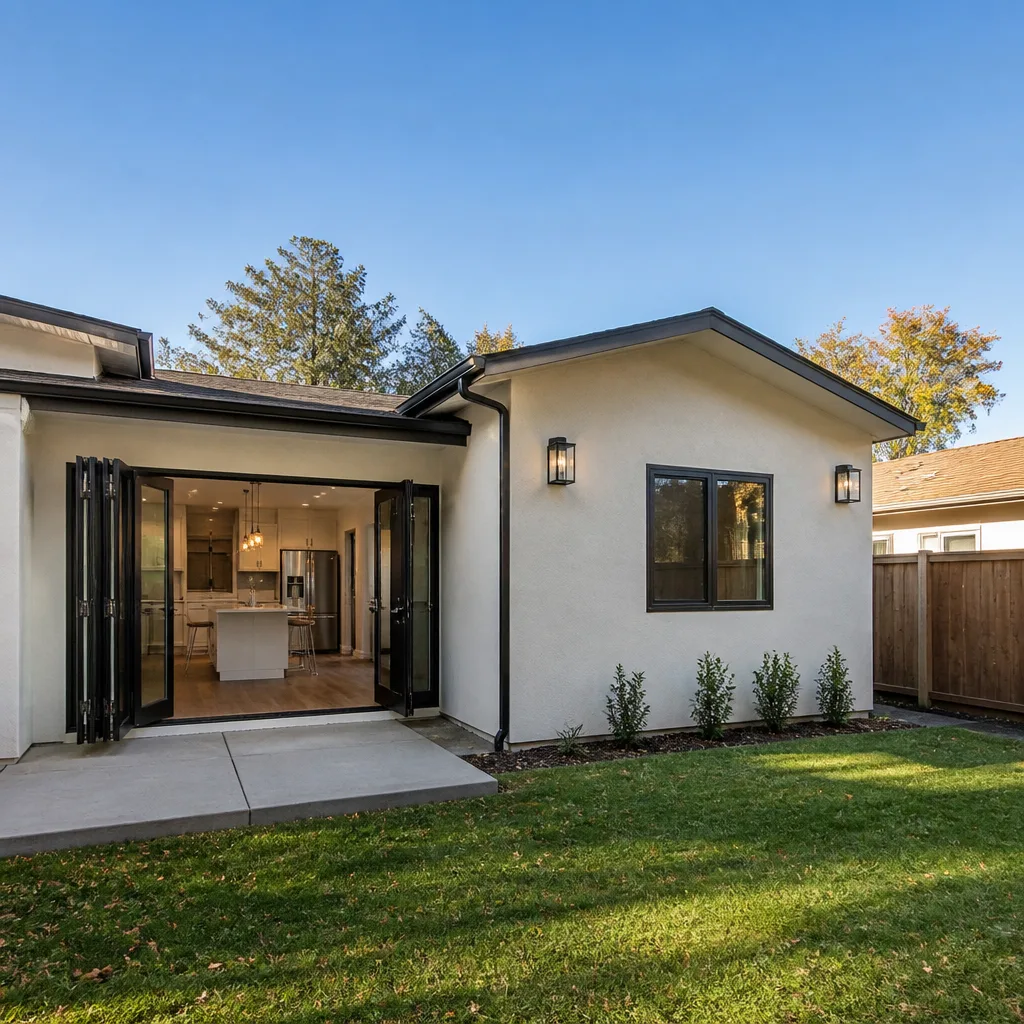
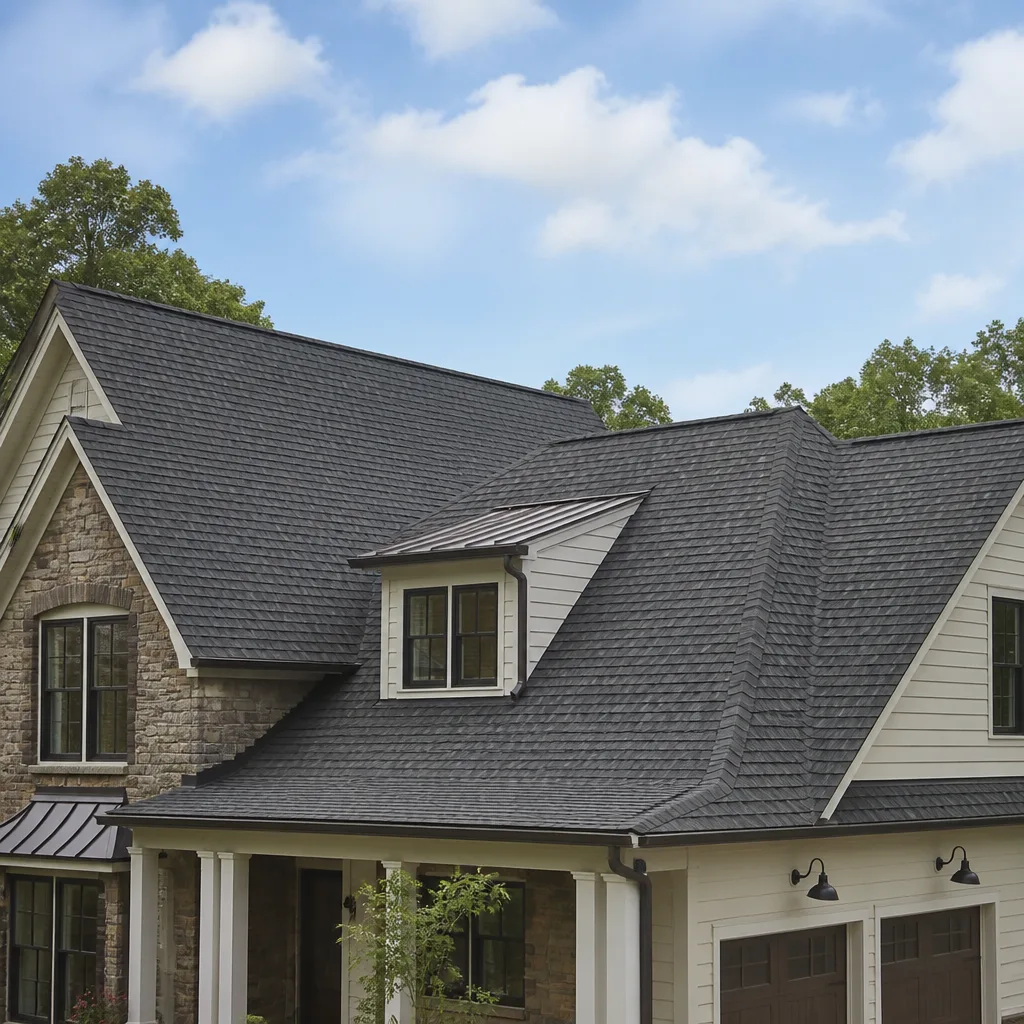
 Before
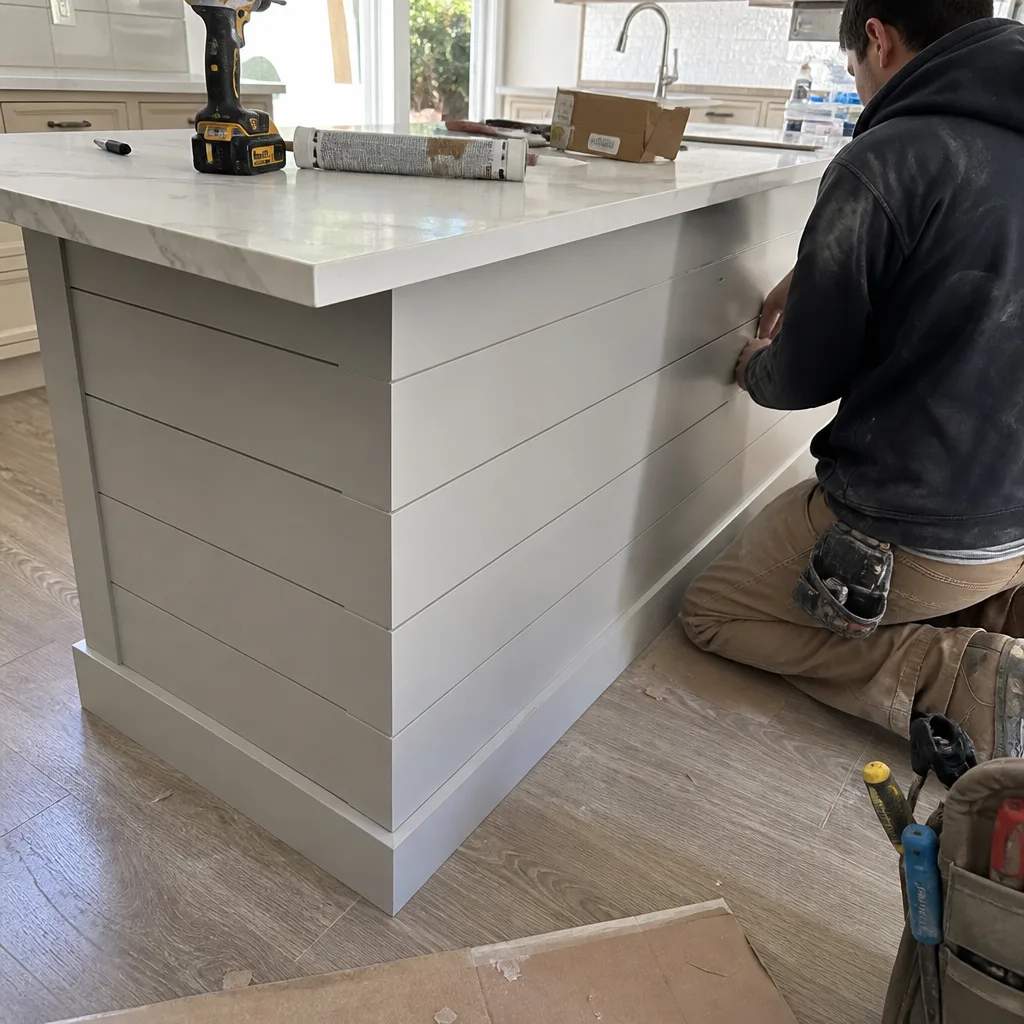 After
After Before
 After
After Before
 After
AfterJames Hardie Kitchen Remodeling: The Cupertino Owner’s Guide
James Hardie fiber cement siding and trim can be integrated into kitchen remodeling in Cupertino for $14,000-$45,000, depending on whether you’re wrapping a kitchen bump-out, re-siding an entire rear elevation, or finishing an ADU kitchenette with HardiePanel vertical siding. We stock HardiePlank lap siding, HardieTrim boards, and HardieBacker cement board underlayment for wet-area protection behind tile backsplashes and cooktop surrounds. Most Cupertino kitchen projects involving James Hardie materials move from signed scope to demo in two to three weeks, with material lead times currently running ten to fourteen days from the San Jose distribution center.
Homeowners in Cupertino usually discover their James Hardie installation needs attention when they see swelling at the backsplash-substrate junction behind the range, or when a previous contractor used greenboard or standard drywall in a steam zone where HardieBacker 500 was specified. The Santa Clara Valley’s temperature swings, dry summers, and occasional El Niño moisture push standard substrates past their tolerance while fiber cement holds dimensionally stable.
Which James Hardie Products This Applies To
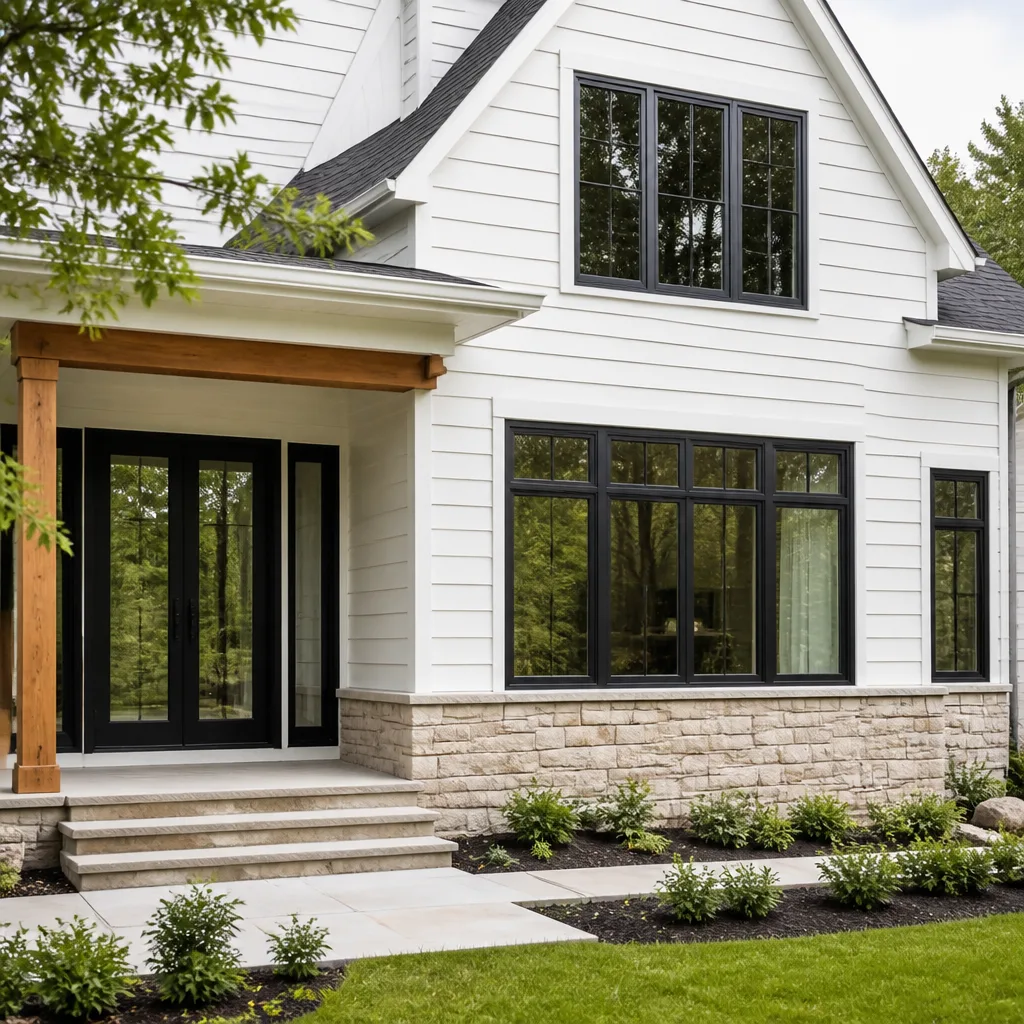
James Hardie manufactures three product families relevant to kitchen remodeling in Cupertino: HardiePlank lap siding (5/16″ thickness, 6.25″ to 8.25″ exposure options) for exterior kitchen bump-outs and rear-elevation re-siding; HardieTrim boards (3/4″ actual thickness, available in 4/4 and 5/4 nominal sizes) for window and door surround finishing on kitchen additions; and HardieBacker cement board (1/4″ and 1/2″ thicknesses) for tile underlayment in wet zones.
HardieBacker 500 is the product we specify most often in Cupertino kitchen remodels. It carries a 25-year warranty, weighs 2.5 lbs per square foot in the 1/2″ version, and is composed of 90% Portland cement and sand with a fiberglass mesh reinforcement that does not contain the paper facing found on competing cement boards. That matters because paper facing delaminates in steam environments, the exact condition above a pasta pot or pressure cooker.
To identify what you currently have, look for the stamped James Hardie logo on the reverse face of trim or siding boards, or the printed grid pattern on HardieBacker face. If your substrate behind tile shows a gray cement core with no grid and a fibrous brown layer, you likely have a competitor’s product with organic facing, not HardieBacker. We do not recommend aftermarket substitutions for wet-area cement board; the warranty chain and moisture performance are materially different.
Signs Your James Hardie Installation Is Failing
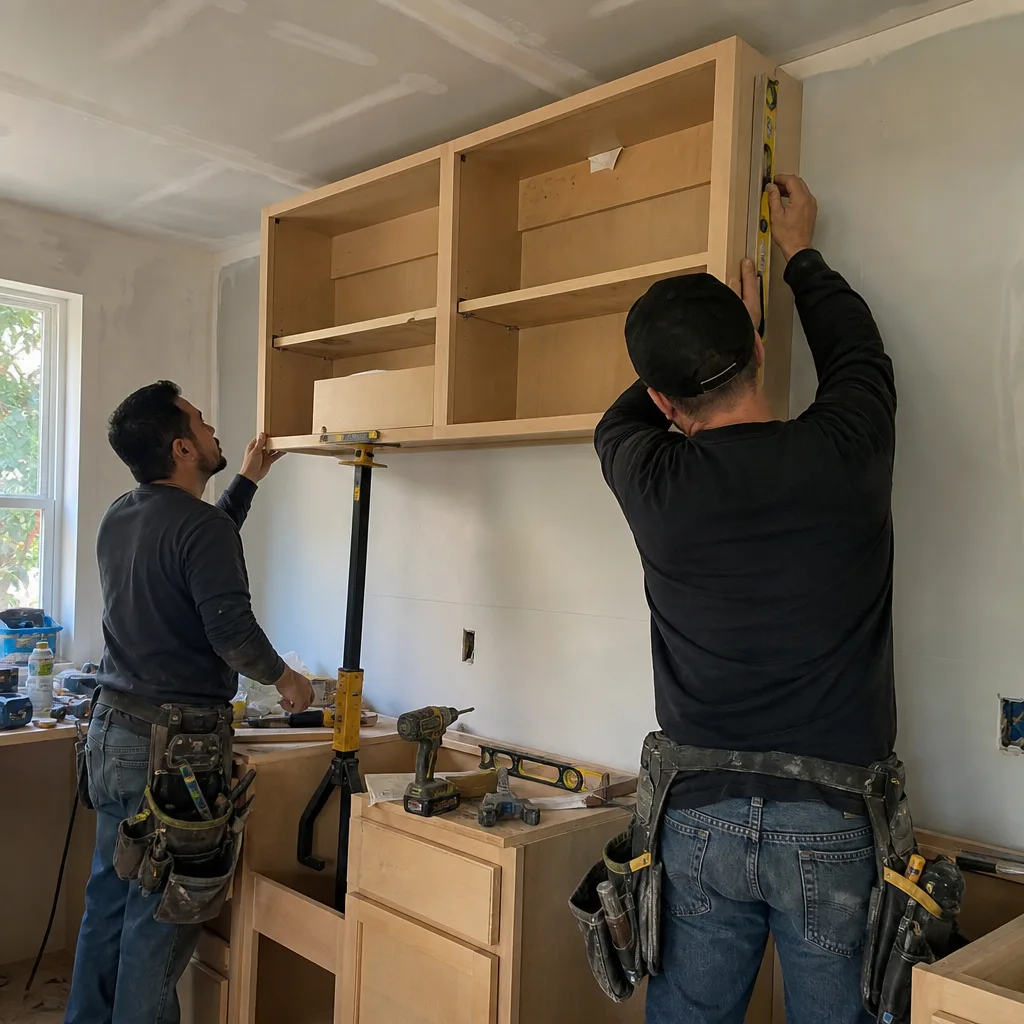
- Tile cracks in a straight line above the cooktop or sink. This indicates substrate movement. HardieBacker installed without the specified 1/8″ gap at seams, or fastened with drywall screws rather than the required corrosion-resistant roofing nails or cement board screws, will telegraph flex into the tile bed. We see this in older Cupertino kitchens where the original installer treated cement board like drywall.
- Softening or discoloration at the bottom edge of backsplash tile. Water has reached the substrate. If the installer used greenboard or standard drywall behind the tile instead of HardieBacker, the paper facing wicks moisture and supports mold growth. The repair requires removing tile, replacing substrate, and re-tiling, a $2,000-$6,500 scope depending on countertop material and tile selection.
- Exterior HardiePlank shows efflorescence (white powder) or paint bubbling near kitchen window heads. This signals bulk water intrusion at the flashing, not a siding failure. James Hardie siding is not a drainage plane; it needs proper weather-resistant barrier and flashing integration. In Cupertino’s clay-heavy soils, foundation settlement can crack stucco-to-siding transitions that were never properly flashed to begin with.
- HardieTrim boards pulling away from the wall at butt joints. James Hardie requires 3/16″ gaps at trim joints, sealed with paintable caulk, to accommodate thermal expansion. Caulk failure in direct south or west exposure, common in Monta Vista and Rancho Rinconada homes, allows water behind the trim and accelerates fastener corrosion.
- Interior humidity readings above 60% RH with no identifiable source. A kitchen with inadequate exhaust, common in 1960s-1980s Cupertino ranch homes, pushes moisture into wall cavities. If the original construction used drywall rather than cement board as a tile substrate, that moisture degrades the wall from the inside even where the surface looks intact.
 Before
 After
AfterReplacement Cost & What’s Included
| Scope | Cupertino Price Range | What’s Included |
|---|---|---|
| HardieBacker substrate replacement, single wet wall (tile removal/reinstall) | $2,000-$6,500 | Demo, substrate, waterproofing membrane, tile labor, grout, sealant |
| HardiePlank re-siding, kitchen bump-out (150-250 sq ft) | $4,500-$9,000 | Removal, WRB, siding, trim, paint-ready finish |
| HardieTrim replacement, window/door surrounds (2-3 openings) | $1,800-$4,500 | Removal, flashing repair, trim, caulk, primer |
| Full kitchen remodel with Hardie exterior integration | $14,000-$45,000 | Complete scope with written line-item quote |
What drives the range: access difficulty (second-story bump-outs require scaffolding), whether we discover substrate rot behind failing tile, and paint specification. James Hardie ColorPlus prefinished siding carries a 15-year finish warranty and adds $1.50-$2.25 per square foot over primed-only boards that require field painting. Under Clause 1 of the Haven Standard, your written quote names every line item before work starts, including the material grade and paint system. No change proceeds without a signed change order, which is how we’ve kept projects within a few percent of the agreed number across 4,000-plus jobs since 2007.
Our 365-Day Done Right Promise covers the installation. If the tile cracks along a seam we set, or the trim joint opens, we return and make it right. The guarantee is printed on every page and backed by a terms page, not an asterisk.
DIY or Call Us?
There is one part of this work a Cupertino homeowner can safely assess: the exhaust fan. Turn it on, hold a tissue to the grille, and confirm it pulls firmly. If it doesn’t, or if the bathroom fan was never upgraded when the kitchen was expanded, that’s a contributing factor you can identify without tools.
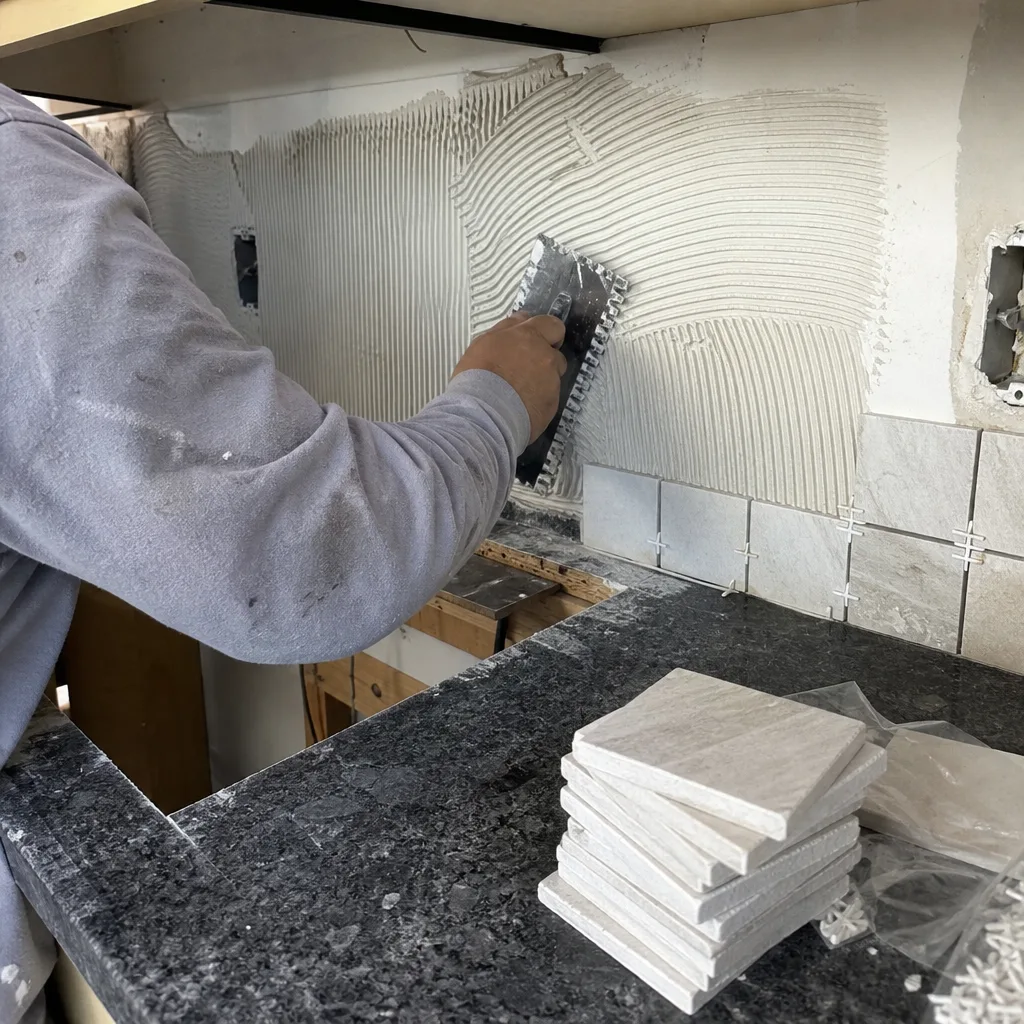
Everything else, we recommend against DIY. HardieBacker generates silica dust when cut; OSHA requires respirator protection and wet-cutting or vacuum-equipped saws. Exterior HardiePlank installation involves working at height with pneumatic fastening tools, and the 3/16″ expansion gaps at trim joints are non-negotiable, get them wrong and the warranty is void plus the water intrusion begins. We’ve been called to Cupertino homes where a homeowner’s well-intentioned HardieBacker install, missing the required alkali-resistant mesh tape at seams, failed within eighteen months and took the tile with it.
We stock HardieBacker 1/2″ in 3’x5′ sheets on our Cupertino warehouse truck. HardiePlank and HardieTrim orders pull from San Jose with a ten-to-fourteen-day lead. Call (669) 202-9618 to schedule your free estimate. We’ll bring material samples, measure your specific openings, and deliver a written price before anyone picks up a tool.
FAQs
HardieBacker cement board carries a 25-year warranty and typically outlasts two tile cycles in a residential kitchen. HardiePlank siding, properly installed with correct clearances and flashing, lasts 30-plus years in Cupertino’s climate, though south and west exposures may require repaint at year 12-15 for primed boards. ColorPlus finishes extend that interval. The limiting factor is almost never the fiber cement itself; it’s the installation detail, flashing, or fastener specification.
No. Once standard drywall or greenboard behind tile has taken moisture, the paper facing delaminates and the core loses structural integrity. Patching leaves a moisture reservoir that will fail the new tile. We remove to stud, inspect framing with moisture meter, install HardieBacker with proper fastening pattern, apply waterproofing membrane at critical joints, then tile. Call (669) 202-9618 for an exact quote, estimates are free.
A single wet wall, from demo to grouted tile, runs three to five working days: one day demo and substrate, one day waterproofing and tile set, one to two days cure before grout, final day grout and seal. Full kitchen remodels with Hardie exterior integration run six to ten weeks depending on custom cabinet lead time. We provide a phased timeline week by week with your written scope.
We maintain HardieBacker 1/2″ sheets in our Cupertino warehouse truck. HardiePlank, HardiePanel, and HardieTrim pull from the James Hardie distribution center in San Jose with current lead times of ten to fourteen days. We do not stock competitor cement board; the performance differential in wet kitchens is too significant to substitute. For availability on your specific color and profile, call (669) 202-9618 and we’ll confirm stock and schedule.
Rowan Construction Group Cupertino is an independent contractor and is not affiliated with James Hardie. We are also a certified installer for KraftMaid and Wellborn cabinet lines, and we source Cambria and Silestone countertops, though this page addresses James Hardie fiber cement products specifically.
We also stock parts for and install: KraftMaid, Cambria, Silestone.
Measure twice, document once, explain it plainly. That’s how Grant Rowan has run every kitchen project in Cupertino since he and his crew started working the Monta Vista neighborhood more than a decade ago, from the first written scope to the final photo record the homeowner receives.
Written by Grant Rowan, Owner, Rowan Construction Group Cupertino at Rowan Construction Group Cupertino, serving Cupertino and nearby areas.