
Free written scope consultation - allowances, timeline, and change-order rules on paper before a single trade is scheduled
 Before
 After
After Before
 After
After Before
 After
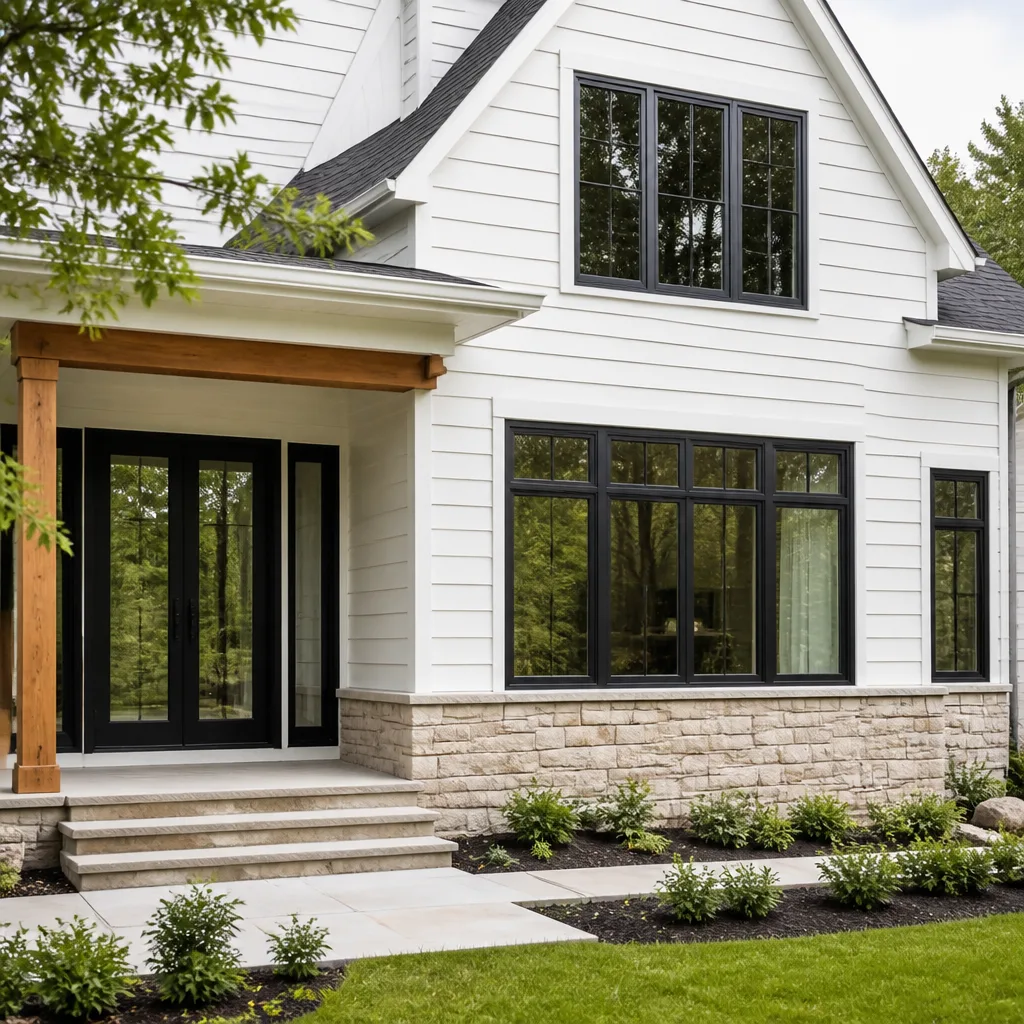
AfterJames Hardie Driveway & Pavers: The Cupertino Owner’s Guide
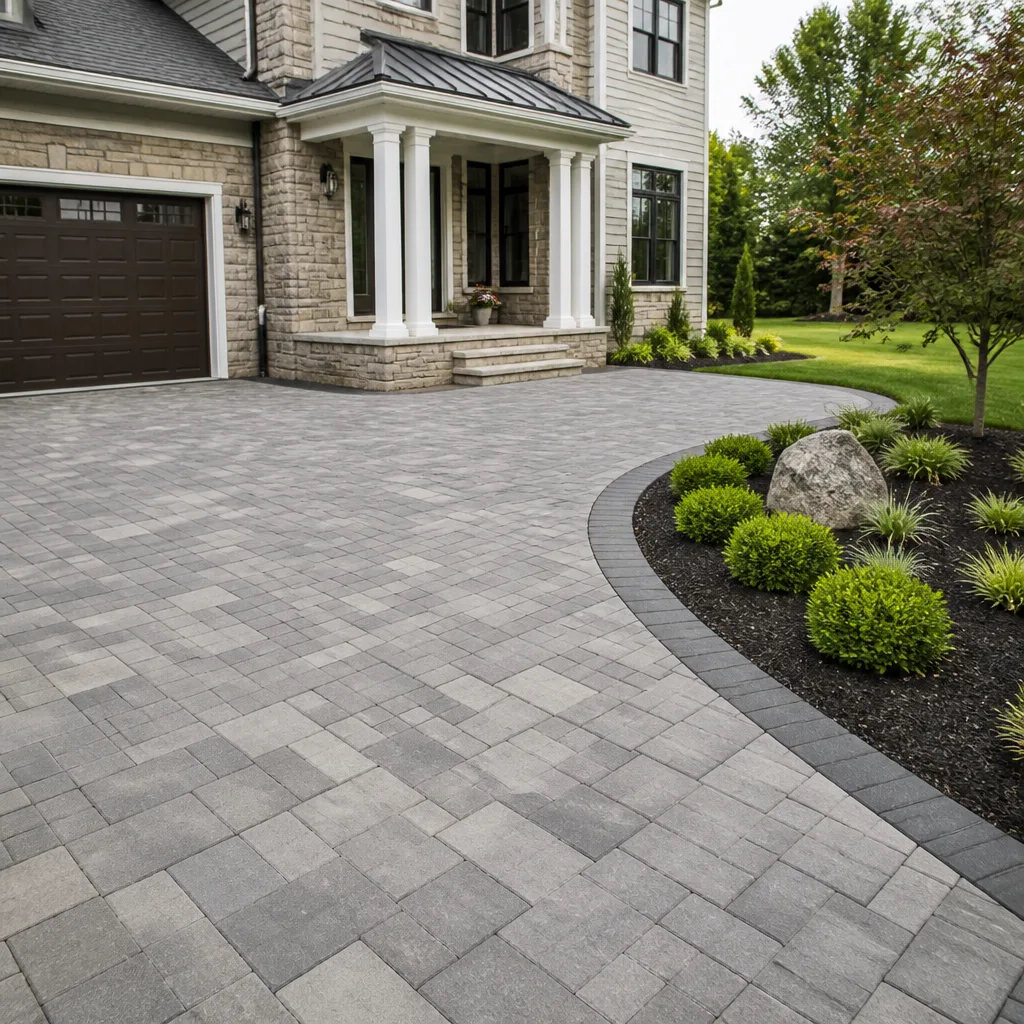
James Hardie does not manufacture driveway pavers or hardscape products - the brand’s residential line stops at siding, trim, and backer board. When Cupertino homeowners search “James Hardie driveway & pavers,” they’re usually holding a builder spec sheet from a 2015-2022 new build where the developer paired James Hardie siding with a Belgard or Techo-Bloc paver driveway, and the paperwork got folded together. We sort that out on the first call. Paver driveway replacement in Cupertino runs $7,000-$18,000 installed; we stock common Belgard and Techo-Bloc patterns and can usually match your existing paver within a week.
Most owners discover the problem after the second or third rainy season, when the Santa Clara Valley’s clay-heavy soils have done their work. The pavers look fine, but the surface has developed a subtle wave, or individual stones rock underfoot. By then, the bedding sand has washed out and the edge restraints have shifted - the visible symptom is never the root cause.
Which James Hardie Models This Applies To
James Hardie makes fiber-cement siding and trim, not pavers. The confusion typically traces to three sources: a builder’s materials schedule that lists “James Hardie / Belgard” on the same sheet; a HOA architectural review document that bundles exterior finishes; or a homeowner searching their file folder for “that hardie thing” when the driveway starts failing.
To identify what you actually have, flip a paver over. Belgard stamps their name and pattern code - Dublin Cobble, Bergerac, or Mega-Lafitt - into the mold surface. Techo-Bloc uses a raised logo and series name like Blu 80 or Villagio. Measure one paver precisely: standard thickness is 60mm for residential driveways, 80mm for areas with occasional vehicle traffic over 5,000 lbs. If your pavers measure 45mm, you likely have a concrete patio product installed where a driveway product belonged, which explains the early failure.
OEM replacement means ordering from the original manufacturer with matching dye lot. We keep Belgard’s Sierra and Techo-Bloc’s Antika in local inventory for Cupertino’s common 2018-2021 build palette. Aftermarket equivalents from lesser-known casters exist at 30-40% savings, but color drift after two Santa Clara summers is predictable. We quote both and note the difference in writing.
Signs Your James Hardie Driveway & Pavers Is Failing
- Individual pavers rock or click underfoot. The bedding sand layer has eroded or washed out, leaving a void. In Cupertino, this happens fastest where downspouts discharge directly onto the driveway edge - a design flaw we see regularly in Monta Vista and Rancho Rinconada builds from 2016-2019.
- Surface develops a washboard pattern across the width. The base course - typically Class 2 aggregate base, 4-6 inches compacted - has settled differentially. Clay soils in the foothill zones off Stevens Canyon Road expand and contract with winter saturation, breaking the compaction bond.
- Edge pavers tilt outward, creating a gap at the border. The edge restraint, usually plastic or aluminum spike-in, has pulled free. This is almost always a spacing error from original install - restraints need to sit flush against the paver side, not the rounded chamfer.
- White efflorescence blooms across the surface each winter. Soluble salts migrate through the paver body as moisture moves. It’s cosmetic, not structural, but in Cupertino’s mild wet season it persists for months and signals excessive moisture below the pavers.
- Persistent weed growth in joints despite polymeric sand. The sand has degraded to loose particles, or was never fully compacted and set. We pull cores to check - proper polymeric sand, vibrated and mist-activated, should last 7-10 years.
 Before
 After
AfterReplacement Cost & What’s Included
Paver driveway replacement in Cupertino runs $7,000-$18,000, with most single-car-width projects in the $9,500-$14,000 range. The spread depends on three factors: whether we can salvage and relay existing pavers (saves 25-35% on material), the base condition requiring full excavation versus spot repair, and access for equipment - hillside driveways off Cristo Rey Drive or near the quarry need mini-excavator work at higher hourly rates.
Our written quote itemizes: paver unit cost per square foot, base material and compaction, bedding sand, edge restraint type, geotextile fabric if required, and disposal. Labor is flat-rated by the square foot, not time-and-materials. Under Clause 1 of the Haven Standard, that written price is fixed; no change order, no surprise. We include a 365-Day Done Right Promise on the installation, and the documented photo record shows base prep, compaction passes, and final vibration - not just the finished surface.
Concrete driveway replacement, where pavers aren’t the right solution, runs $4,500-$12,000. We quote both when the site visit suggests the base is too far gone for paver relay.
DIY or Call Us?
What you can safely check: lift one paver at the edge with a flat pry bar and inspect the bedding sand. If it’s loose and dry, that’s normal. If it’s saturated mud or missing entirely, the base is compromised and the fix is below the surface.
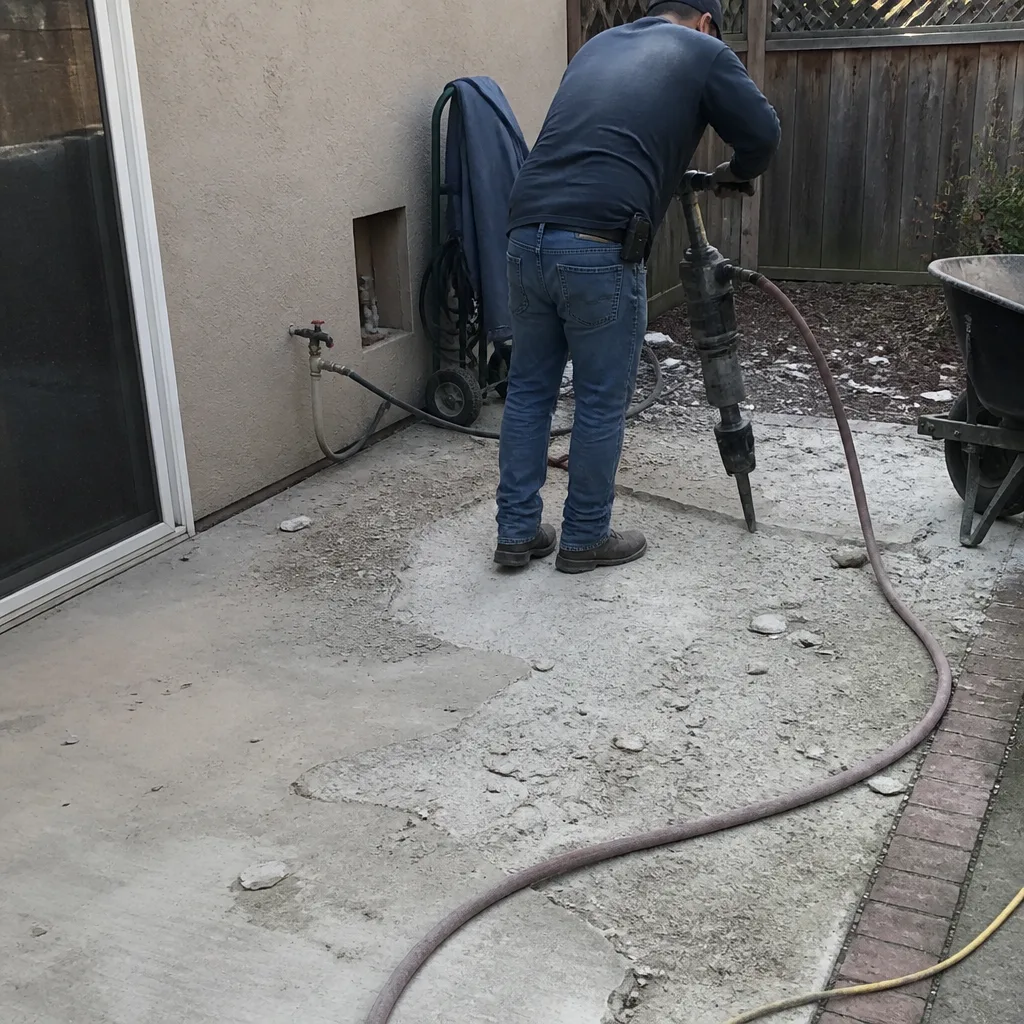
Where DIY goes wrong: relaying pavers without recompacting the base course guarantees recurrence in 18-24 months. Plate compactor rental is straightforward, but judging moisture content of the base material - it should reach optimum compaction at a specific “ball test” consistency - is where experienced crews earn their rate. Edge restraint installation looks simple but requires a string line and precise spike spacing; most homeowner repairs fail at the perimeter first.
No safety hazard here like high-tension springs or live electrical, but the excavation and compaction work is physically demanding and technically unforgiving. Measure twice, document once, explain it plainly - our approach, and our recommendation if you’re weighing the time against the result.
Call (669) 202-9618 to schedule your free estimate. We bring paver samples, pull a base core if needed, and leave a written price before we go.
FAQs
Properly installed pavers on a compacted aggregate base last 25-30 years in Cupertino’s climate. The Santa Clara Valley’s 16-20 inches of annual rainfall, concentrated in December through March, is the main wear factor - not freeze-thaw, which is minimal here. Joint sand maintenance every 4-6 years and prompt edge restraint repair extend service life significantly. Call (669) 202-9618 for an assessment of your specific installation - estimates are free.
Yes, if the base is sound and the failure is isolated to bedding sand loss or edge restraint failure. We remove the affected area, recompact the base, relay matching pavers, and reset the edge. Spot repair runs $800-$2,500 depending on area. If the base has settled more than 3/4 inch or shows organic contamination, partial or full replacement is the honest recommendation. Call (669) 202-9618 for a written scope and price on either approach.
Most residential driveways in Cupertino take 3-5 working days from excavation to final vibration. Day one is removal and base excavation; days two-three are base import, placement, and compaction in lifts; day four is bedding sand screed and paver lay; day five is cutting, edge restraint, vibration, and joint sand. Weather delays are rare here, but we hold the schedule in writing. Call (669) 202-9618 to book a start date.
We stock Belgard Sierra and Techo-Bloc Antika in the most common Cupertino color blends - Sierra’s Monterey and Antika’s Chestnut Brown cover roughly 60% of the 2016-2022 install base. Other patterns and colors order in 7-14 days from San Jose distribution. We never start demolition until materials are on-site and the homeowner has approved the dye lot sample. Call (669) 202-9618 to confirm availability for your specific pattern.
Written by Grant Rowan, Owner, Rowan Construction Group Cupertino at Rowan Construction Group Cupertino, serving Cupertino and nearby areas.