
Free written scope consultation - allowances, timeline, and change-order rules on paper before a single trade is scheduled







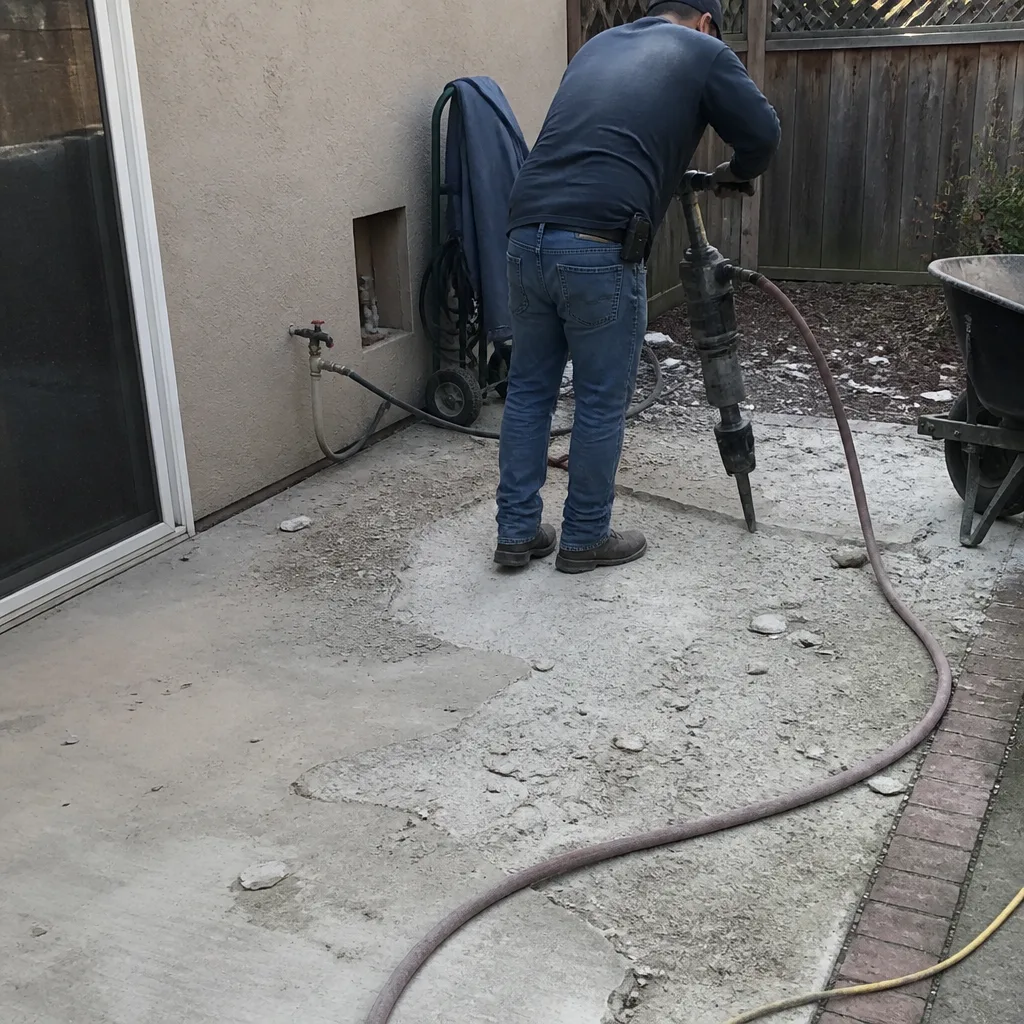 Before
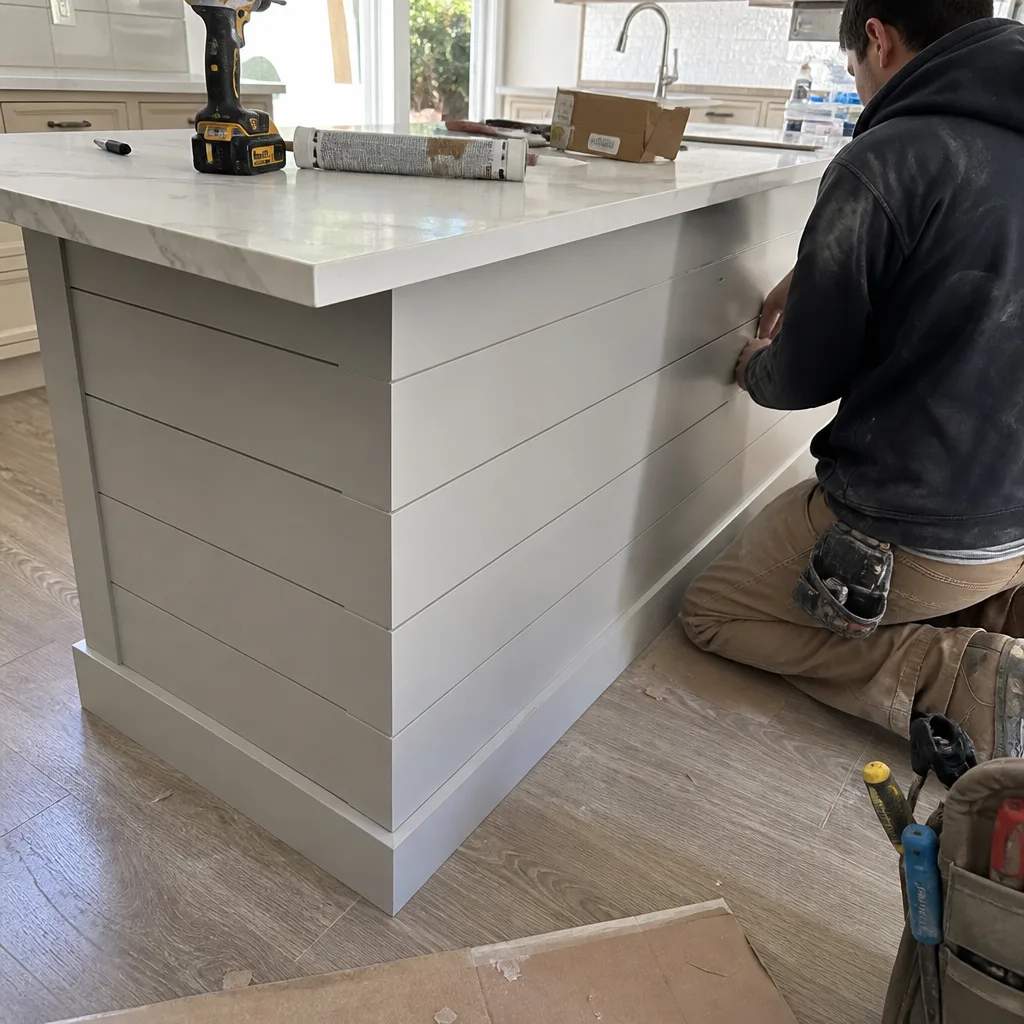 After
After Before
 After
After Before
 After
AfterES Windows Roofing: The Cupertino Owner’s Guide
We stock and install ES Windows-compatible roofing components in Cupertino, with typical roof repair running $400-$1,800 and full roof replacement at $8,000-$20,000 depending on model, substrate condition, and whether the original ES Windows flashing integration points need reworking. Most ES Windows roofing calls we get in Cupertino are same-day diagnosable, and we carry common ES Windows-compatible flashing kits and membrane strips on our trucks. Homeowners usually discover the problem after the first hard rain of the season, when water tracks along the window-to-roof interface that ES Windows systems rely on, or when they spot lifted membrane seams above their ES Windows installations in the Monta Vista or Rancho Rinconada areas where the Santa Clara Valley wind pattern accelerates wear.
Which ES Windows Models This Applies To
ES Windows produces several product lines with distinct roofing integration requirements. The ES 5000 Series and ES 8000 Impact Series use proprietary head flashing with a 1.5-inch drip leg that standard J-channel won’t accommodate. The ES 3000 Vinyl line accepts generic 6-inch head flashing but requires a 3/8-inch expansion gap that many Cupertino installers missed during the 2015-2019 building boom. You’ll find the model number etched into the spacer bar between the glass panes, visible when you open the sash and angle the glass toward the light.
OEM ES Windows flashing runs 30-40% above quality aftermarket equivalents from Trimco or MFM Building Products. We stock both. The aftermarket Trimco UF-600 integrates cleanly with ES 5000 and 8000 series frames and carries the same 20-year membrane warranty. For ES 3000 systems, we typically specify MFM’s WindowWrap because the butyl adhesive performs better in Cupertino’s wide daily temperature swings, which cycle from 45°F winter mornings to 85°F summer afternoons and stress lesser tapes within three to four years.
One compatibility gotcha: ES Windows manufactured before 2014 used a 2.25-inch nailing fin that conflicts with current California Title 24 continuous insulation requirements. When we encounter these in Cupertino’s older Rancho Rinconada stock, we fabricate a custom Z-bar transition rather than forcing incompatible new flashing onto old geometry.
Signs Your ES Windows Roofing Is Failing
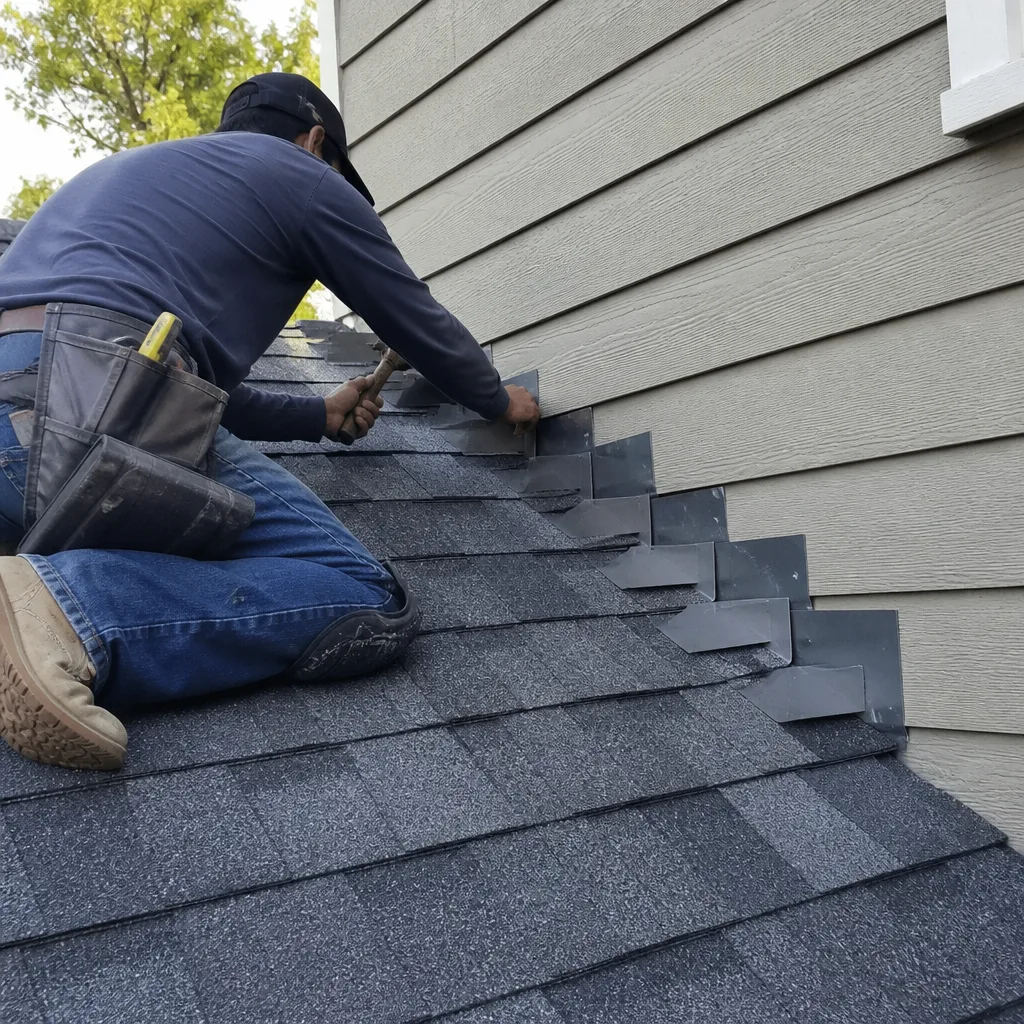
- Water staining on interior drywall below or beside the window. This usually means the head flashing has separated from the ES Windows frame or the end dams were omitted during original installation. The water follows the top of the window frame and exits at the lowest point, which is rarely where the actual breach occurred.
- Visible gaps between the window frame and surrounding siding or stucco. ES Windows systems depend on a sealed perimeter; when caulk fails or the nailing fin pulls away, the structural connection between window and wall weakens. In Cupertino’s clay-heavy soils, subtle foundation movement accelerates this separation.
- Membrane lifting or bubbling above the window head. The self-adhered membrane that bridges from roof deck to window head has lost adhesion, often from UV exposure before final roofing was applied or from incompatible primer use. Once air gets under the membrane, capillary action draws water inward even without visible tears.
- Draft or temperature differential near the window in winter. The integrated roofing-to-window seal has compromised, breaking the thermal boundary. ES Windows are rated for specific air infiltration rates; when the roof interface fails, the window itself cannot compensate.
- Corrosion on interior window hardware or tracks. Persistent moisture intrusion from a failed roof-to-window detail creates a humid microclimate inside the frame. We see this most in south-facing ES 8000 installations where solar gain drives condensation cycles.
 Before
 After
AfterReplacement Cost & What’s Included
For ES Windows roofing component work in Cupertino, repair scope typically falls between $400 and $1,800. A localized flashing replacement with membrane rework runs $400-$900. When the roof deck itself has rotted at the window head, or when multiple ES Windows units need reintegration with a concurrent roof replacement, costs extend toward $1,800-$3,500 per opening or $8,000-$20,000 for full roof replacement with all ES Windows details addressed.
What drives the range: accessibility (single-story Ranch-style vs. two-story Monta Vista hillside), whether the original installer left adequate membrane overlap to work with, and if the ES Windows unit must be temporarily removed to properly integrate new flashing. Our written quote itemizes parts, labor, and disposal separately. Under Clause 1 of The Haven Standard, that price is fixed; no change proceeds without a signed change order. Every ES Windows roofing job carries our 365-Day Done Right Promise and a documented photo record showing before condition, during work, and completed integration.
DIY or Call Us?
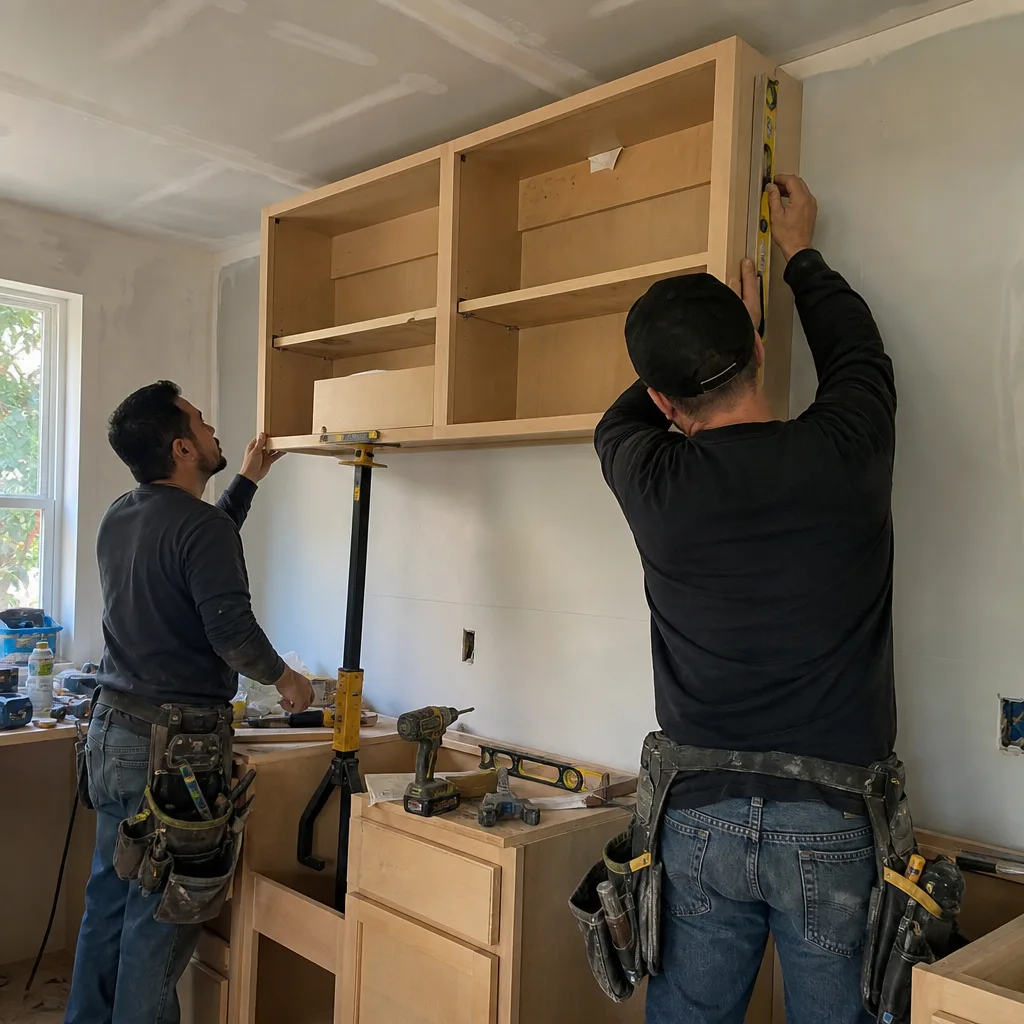
A homeowner can safely check for visible membrane lifting, run a garden hose test at the window head during dry weather, and verify the model number from the glass etch. What you cannot safely do: work on a roof slope without fall protection, attempt to remove and reseat an ES Windows unit weighing 80-150 pounds, or heat-weld membrane seams with propane equipment. The roof-to-window interface is a high-consequence detail; an error here channels water directly into wall cavities.
We’re not affiliated with ES Windows; we’re an independent service provider with fifteen years of documented ES Windows roofing work in Cupertino. If you’ve identified the model and symptom, call us at (669) 202-9618. We’ll confirm part compatibility from your photos, quote a written price before any work starts, and schedule the repair. Measure twice, document once, explain it plainly.
FAQs
Properly installed ES Windows flashing and membrane details last 15-20 years in Cupertino’s climate, though south-facing installations with poor overhang protection may see 10-12 years due to UV and thermal cycling. The Santa Clara Valley’s combination of intense summer sun and occasional winter freeze-thaw accelerates adhesive degradation compared to coastal California markets. Call (669) 202-9618 for an exact assessment of your installation - estimates are free.
In roughly 80% of cases, yes. If the ES Windows frame itself is structurally sound and the glass seal is intact, we remove the surrounding roofing, install new integrated flashing, and reseat the existing unit. Replacement becomes necessary only when the nailing fin is corroded through or the frame has distorted from long-term water exposure. Call (669) 202-9618 for an exact quote - estimates are free.
A single-window flashing replacement typically requires four to six hours of on-site work, plus a return visit if sealant cure time demands it. Full roof replacement with all ES Windows details reintegrated runs three to five days depending on square footage and deck condition. We provide a phased timeline with your written quote so you know which days we’ll be on site and what each day covers. Call (669) 202-9618 to schedule.
We carry Trimco UF-600 flashing, MFM WindowWrap membrane in 6-inch and 9-inch rolls, and custom Z-bar stock for pre-2014 ES Windows units. Specialty ES 8000 impact-rated head flashing in bronze or black anodized finish is warehouse-stocked in San Jose and available next business day. For same-day starts, we confirm your model and color match by photo before dispatch. Call (669) 202-9618 to verify stock against your unit.
Written by Grant Rowan, Owner, Rowan Construction Group Cupertino at Rowan Construction Group Cupertino, serving Cupertino and nearby areas.