
Free written scope consultation - allowances, timeline, and change-order rules on paper before a single trade is scheduled



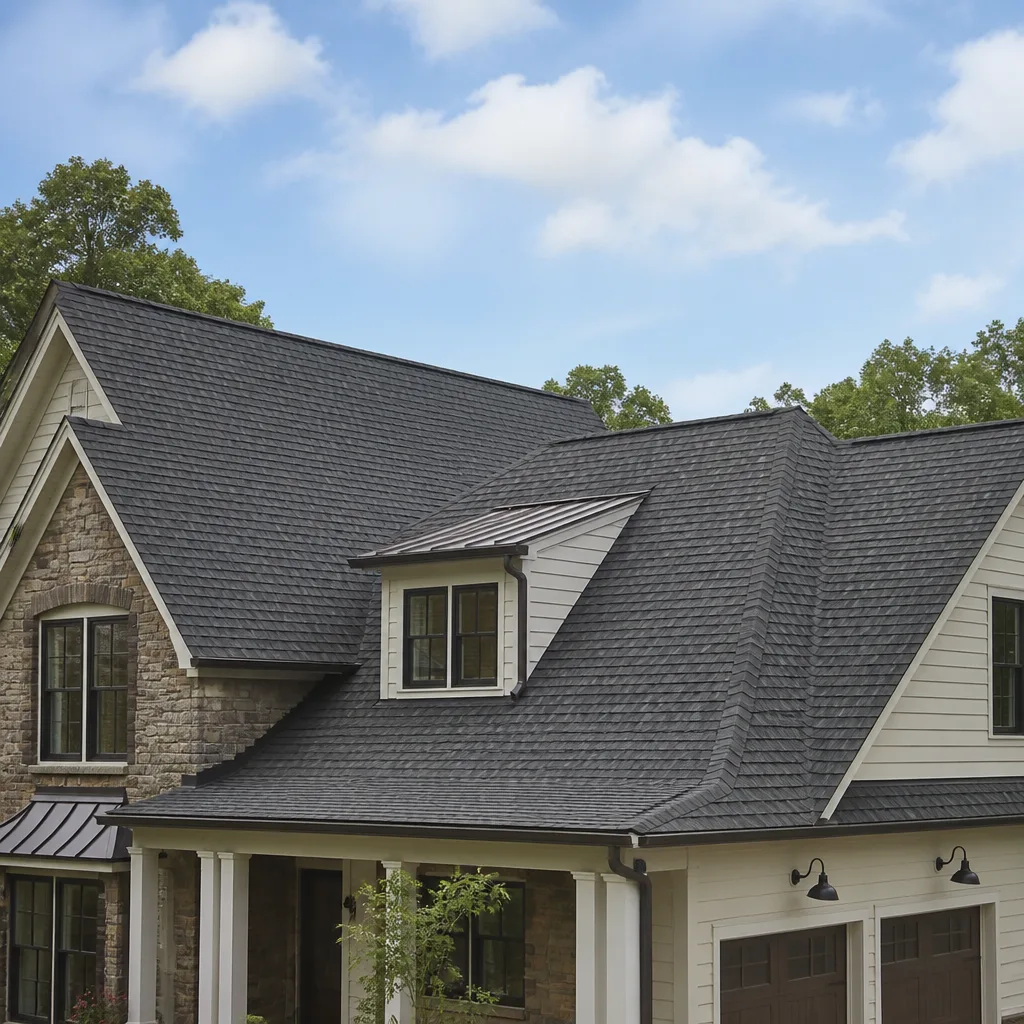


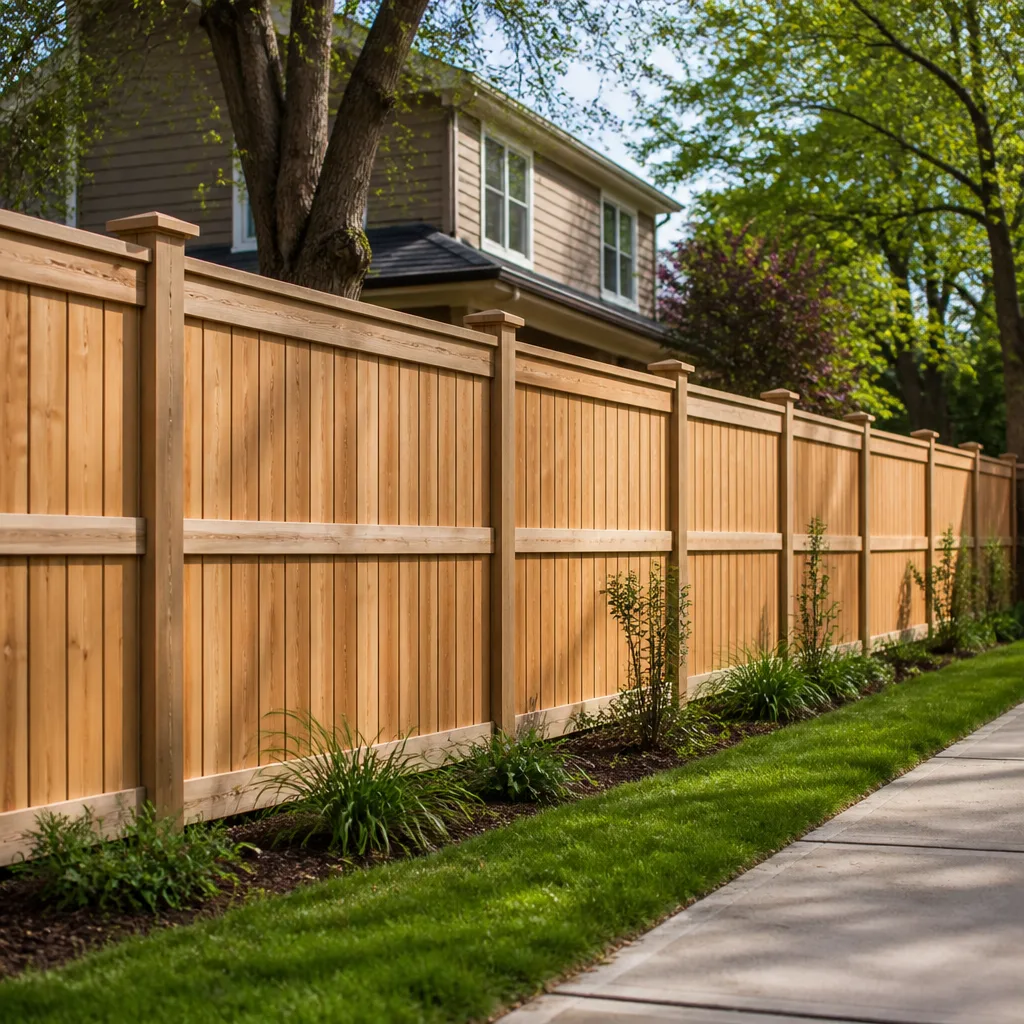
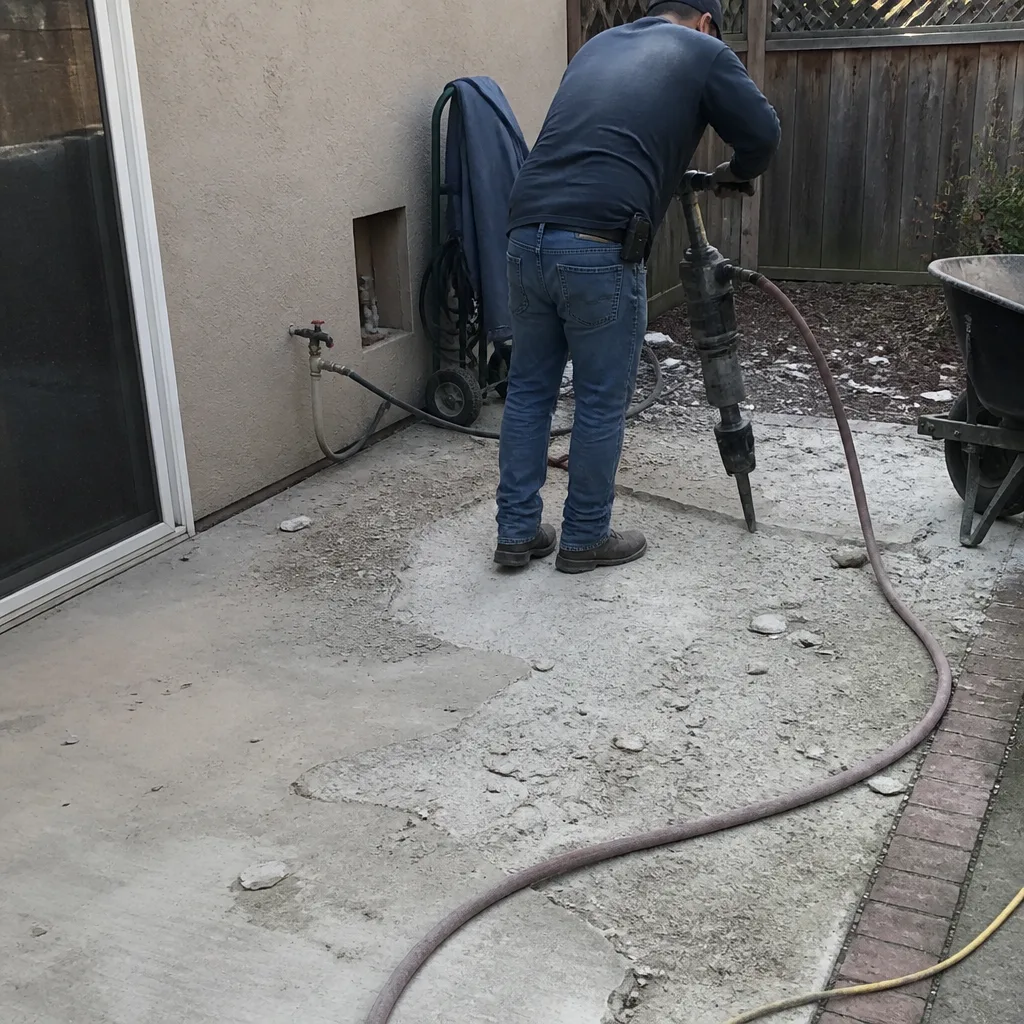 Before
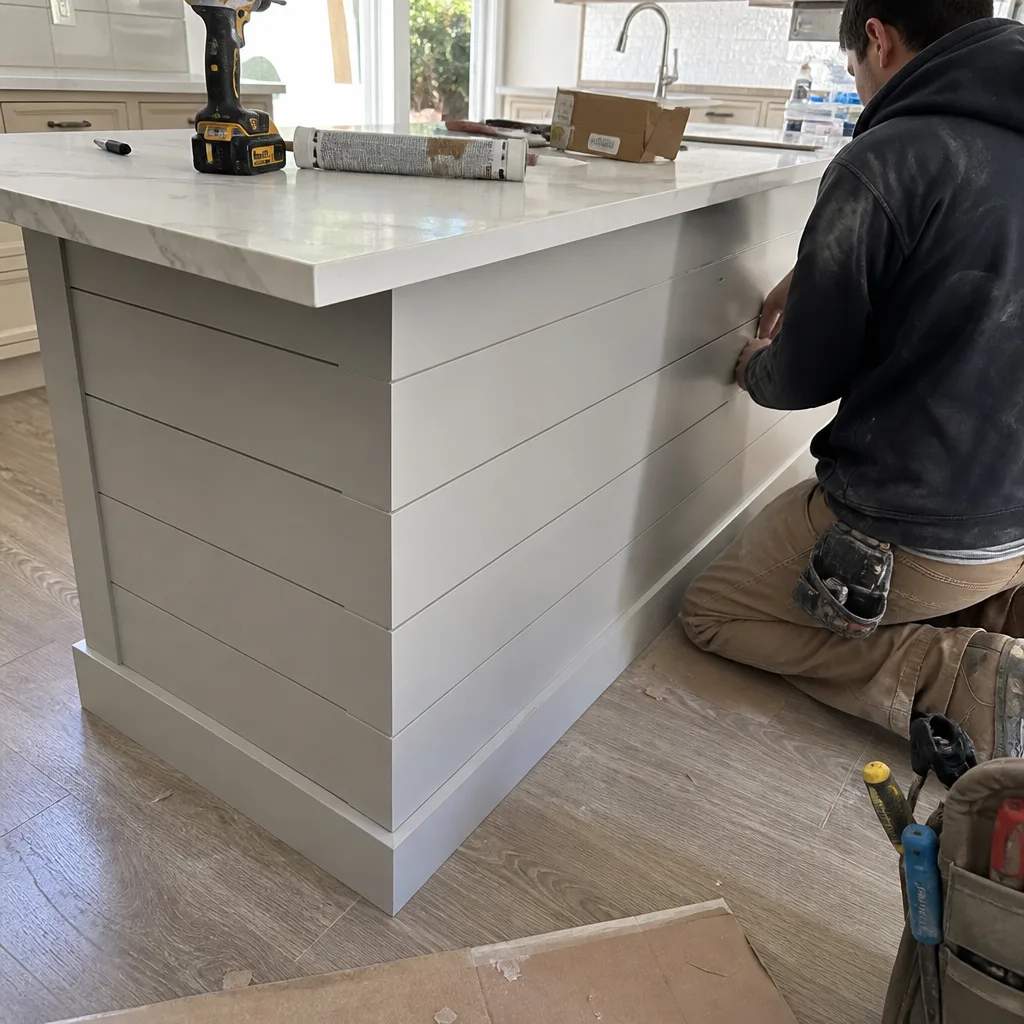 After
After Before
 After
After Before
 After
AfterECO Window Systems Roofing: The Cupertino Owner’s Guide
We stock and install ECO Window Systems-compatible roofing components in Cupertino, with typical roof repairs running $400-$1,800 and full replacements at $8,000-$20,000 depending on substrate condition and square footage. Most ECO Window Systems flashing, seal kits, and integrated drainage hardware are on our trucks or available next-day through our supplier network. Homeowners usually discover the problem after the first hard rain of the season, when water appears at the window-to-roof junction or stains show on the interior drywall beneath a second-story ECO unit.
Measure twice, document once, explain it plainly. That’s how we approach every ECO Window Systems call in Cupertino, from Monta Vista ranch homes to the newer builds off Stevens Creek Boulevard.
Which ECO Window Systems Models This Applies To
ECO Window Systems produces several product lines with integrated roofing interfaces, and the part you need depends on the series generation and the roof pitch it was installed against. The ECO 5000 and ECO 7000 series, common in Cupertino homes built between 2008 and 2018, use a proprietary stepped-flashing profile with a 4.5-inch vertical leg and integrated weep screed, the perforated strip at the base that lets moisture escape. The newer ECO Elite series switched to a universal clip system in 2019, but the membrane width remained 9 inches, so the waterproofing layer is cross-compatible if you’re replacing the field membrane only.
To identify your part, check the etched code on the interior frame edge, usually visible when you crank the window fully open. It reads “ECO-” followed by four digits. If the label is worn, measure the flashing exposure above the roofline: 6 inches indicates the 5000/7000 stepped profile, while a continuous 4-inch exposure with a clip rail suggests Elite. We carry OEM ECO seal kits for both, plus a vulcanized EPDM aftermarket equivalent that matches the 60-mil spec and carries the same 15-year UV rating. The aftermarket saves roughly 20 percent on material cost, though we always note the OEM part number on your written quote so you know exactly what you’re comparing.
Signs Your ECO Window Systems Roofing Is Failing
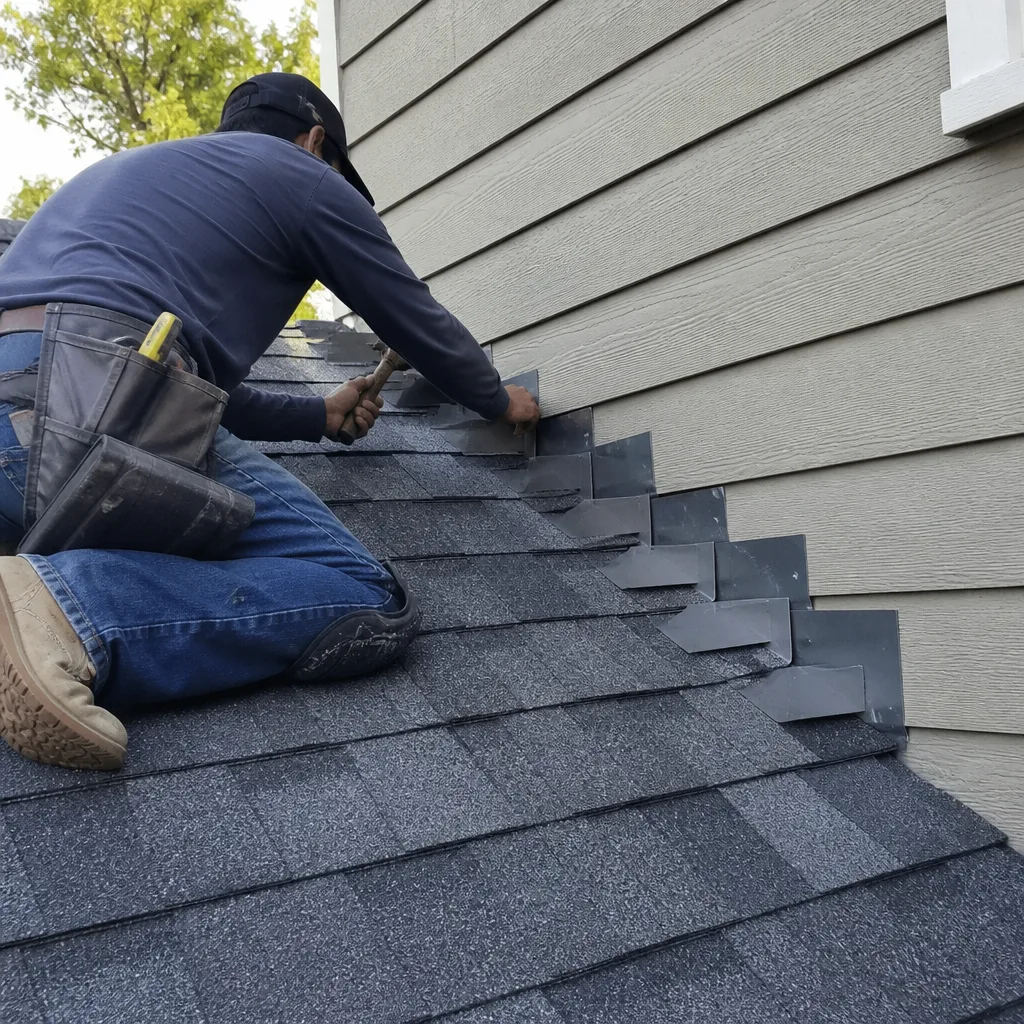
- Water stains on interior drywall below the window. This typically means the head flashing, the metal diverter integrated into the ECO frame, has separated from the roof membrane or the sealant bed has cracked. In Cupertino, the thermal swing between 45-degree January mornings and 85-degree September afternoons cycles the sealant until it loses elasticity.
- Visible gaps or lifted edges at the window-to-roof transition. The ECO system’s termination bar, the metal strip that mechanically fastens the membrane to the frame, can back out if the original installer used standard screws rather than the specified stainless-steel grip-heads. Once lifted, wind-driven rain enters directly.
- Musty odor or mold spotting in the wall cavity. This indicates chronic seepage through a failed weep screed or blocked drainage channel. ECO units rely on a continuous 3/8-inch drainage path; debris or improper stucco application can clog it, trapping moisture against the sheathing.
- Window operation becomes stiff or the sash drags. Water intrusion has swollen the wood buck frame behind the vinyl or aluminum cladding. The ECO 5000 series used a solid-pine buck in early production runs, particularly susceptible if the head flashing leaked slowly for multiple seasons.
- Exterior stucco cracking in a horizontal line above the window. This is the “telltale crack” of a failed pan flashing beneath the sill. The ECO integrated pan is polymer-based and can brittle-fracture after 12-15 years of Santa Clara Valley sun exposure, especially on south-facing elevations.
 Before
 After
AfterReplacement Cost & What’s Included
In Cupertino, ECO Window Systems roof-interface repairs typically fall between $400 and $1,800 installed, depending on whether we’re replacing a seal kit and termination bar or rebuilding the flashing plane and adjacent membrane. Full roof replacement with ECO-compatible integration runs $8,000-$20,000 based on square footage, pitch complexity, and whether we find compromised sheathing once the old roofing is stripped.
Every quote we write itemizes: parts (OEM or aftermarket, your choice), labor by the hour with crew size noted, disposal of old material, and a separate line for sheathing replacement if we expose rot. Under Clause 1 of The Haven Standard, that written price is fixed before work starts. No change proceeds without a signed change order, which is why our projects finish within a few percent of the agreed number. The 365-Day Done Right Promise covers the installation, and the ECO-compatible membrane carries its own 15-year manufacturer’s warranty against UV degradation and seam separation.
DIY or Call Us?
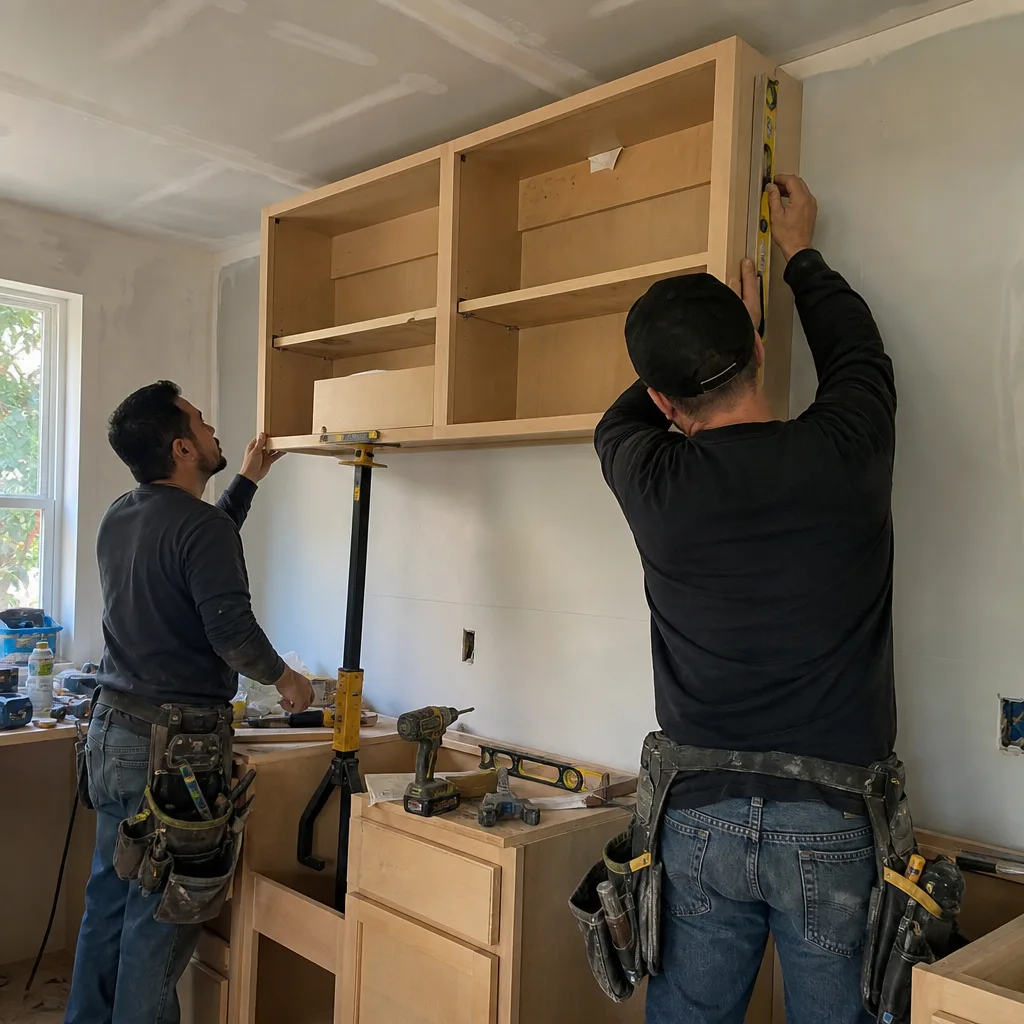
There’s a safe middle ground for ECO Window Systems owners. You can inspect the interior frame edge for the model code, clear visible debris from the weep screed with a soft brush, and photograph any gaps or stains for documentation. These steps cost nothing and help us diagnose faster when you call.
What you should not attempt: removing the termination bar or disturbing the head flashing. These components are integrated with the roof membrane, and improper handling tears the waterproofing plane, converting a $600 seal replacement into a $2,000 membrane rebuild. Working at roof height on a pitched surface carries obvious fall risk, and the ECO system’s polymer pan flashing becomes brittle with age, fracturing underfoot without warning. We bring temporary weather protection, the correct stainless fasteners, and the documentation habit Grant Rowan established from his first Cupertino project: every visit produces a photo record of what we found, what we did, and what the finished joint looks like. Call (669) 202-9618 to schedule your free estimate.
FAQs
The integrated flashing and membrane components last 15-20 years with proper installation, though south-facing exposures in Cupertino’s high-UV environment often show sealant degradation at 12-14 years. Thermal cycling from our dry-summer, mild-winter pattern stresses the polymer pan flashing more than coastal climates. Call (669) 202-9618 for an exact quote on replacement timing - estimates are free.
Spot repairs work only if the failure is isolated to sealant or a single termination bar screw. If the membrane is lifted, the pan is fractured, or the wood buck shows moisture damage, partial repair creates a transition seam that fails within two to three years. We document the full condition with photos and quote both options when repair is genuinely viable. Call (669) 202-9618 for an exact quote - estimates are free.
A typical ECO Window Systems seal and flashing replacement takes four to six hours for a single unit, assuming no sheathing damage. Full roof replacement with ECO reintegration runs three to five days depending on square footage and pitch complexity. We provide a phased timeline with your written quote so you know which days we’ll be on-site and what each day’s scope covers. Call (669) 202-9618 for an exact quote - estimates are free.
We carry seal kits, termination bars, and compatible membrane for both the 5000/7000 series and the Elite series on our Cupertino trucks. OEM-specific clip rails and color-matched exterior trim for older ECO units are next-day from our San Jose supplier. We verify your model code by phone before dispatch so the crew arrives with the correct parts, not a return trip. Call (669) 202-9618 for an exact quote - estimates are free.
Rowan Construction Group Cupertino is an independent service provider and is not affiliated with ECO Window Systems. We also stock parts for KraftMaid, Cambria, and Silestone products.
Written by Grant Rowan, Owner, Rowan Construction Group Cupertino at Rowan Construction Group Cupertino, serving Cupertino and nearby areas.