
Free written scope consultation - allowances, timeline, and change-order rules on paper before a single trade is scheduled

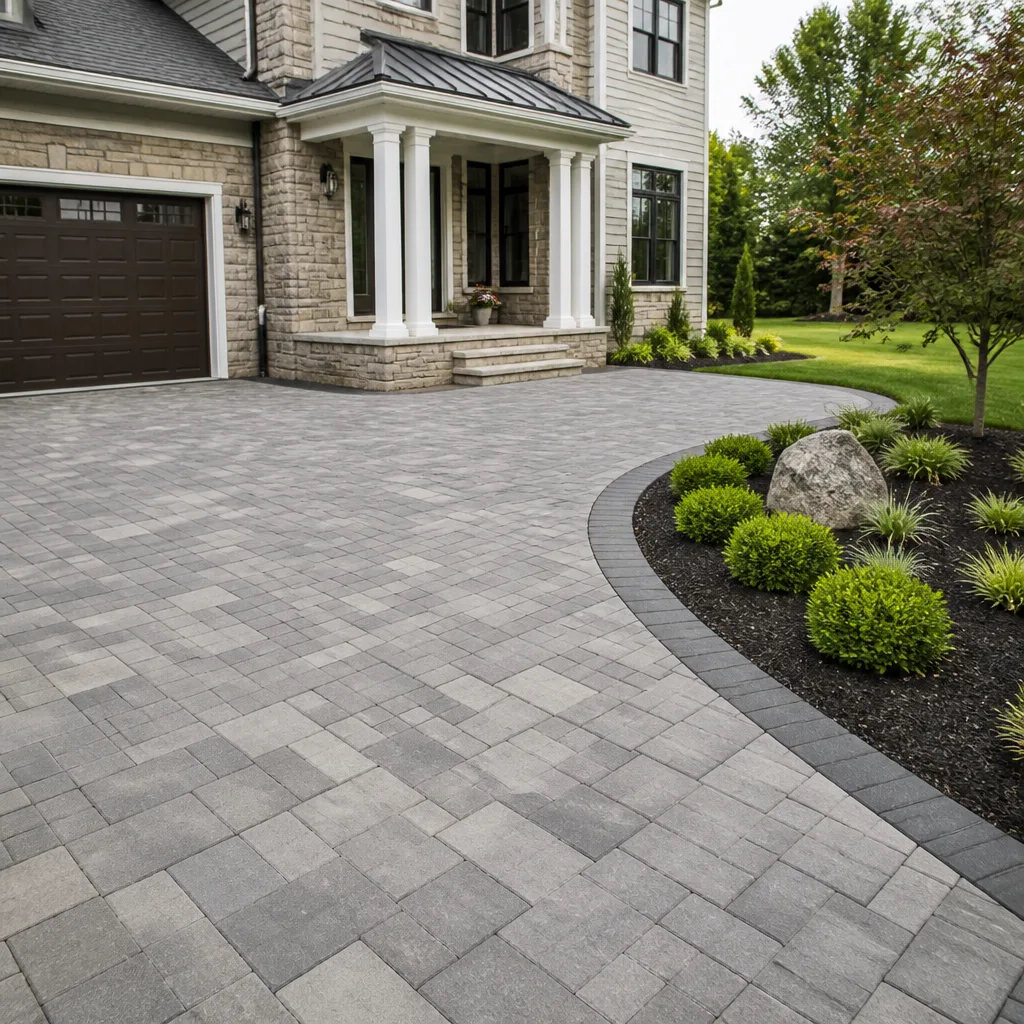
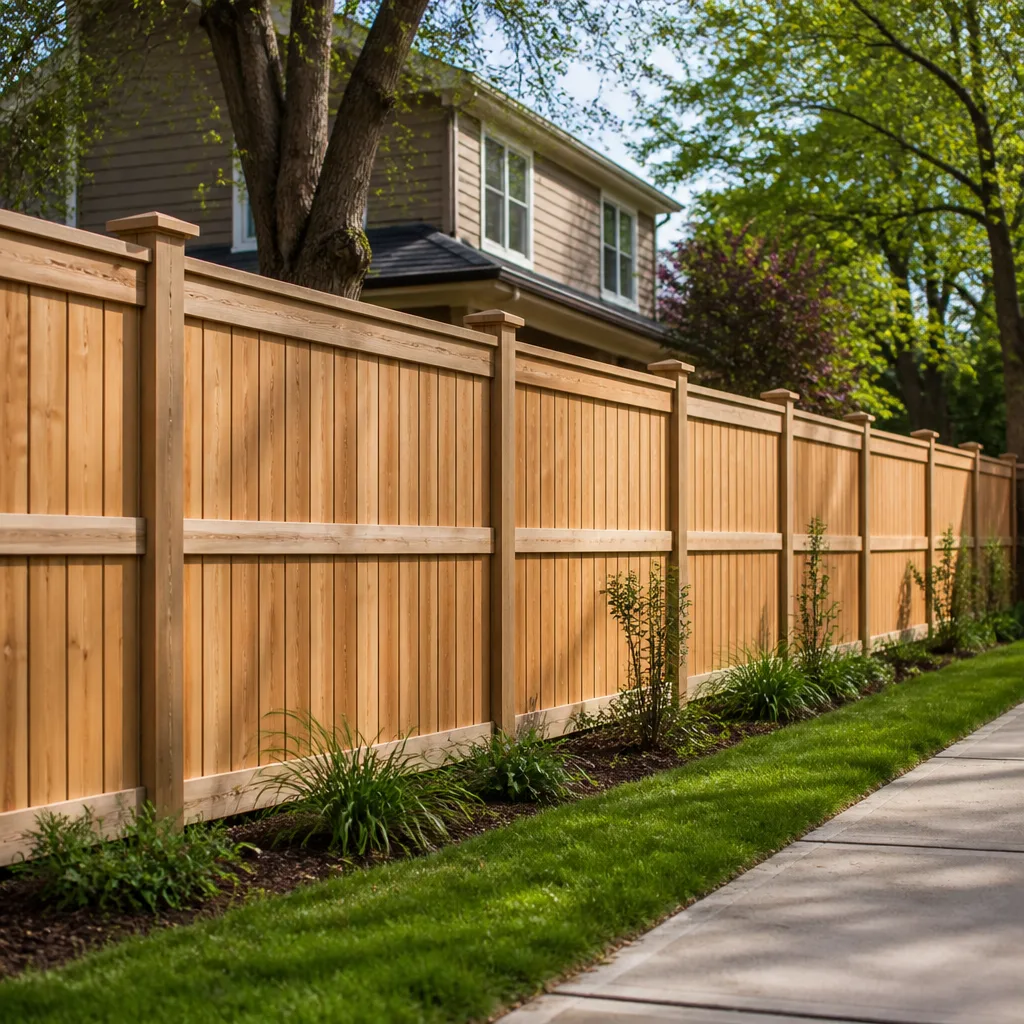
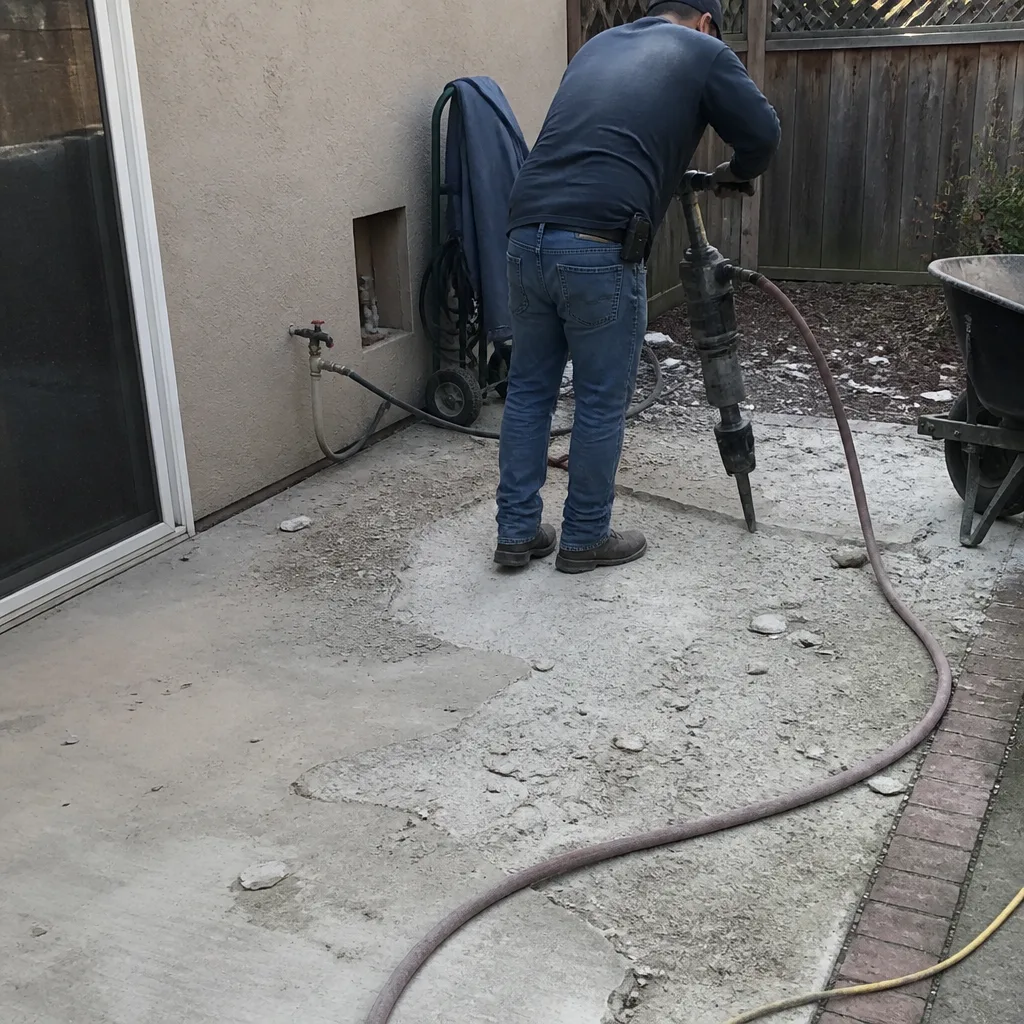 Before
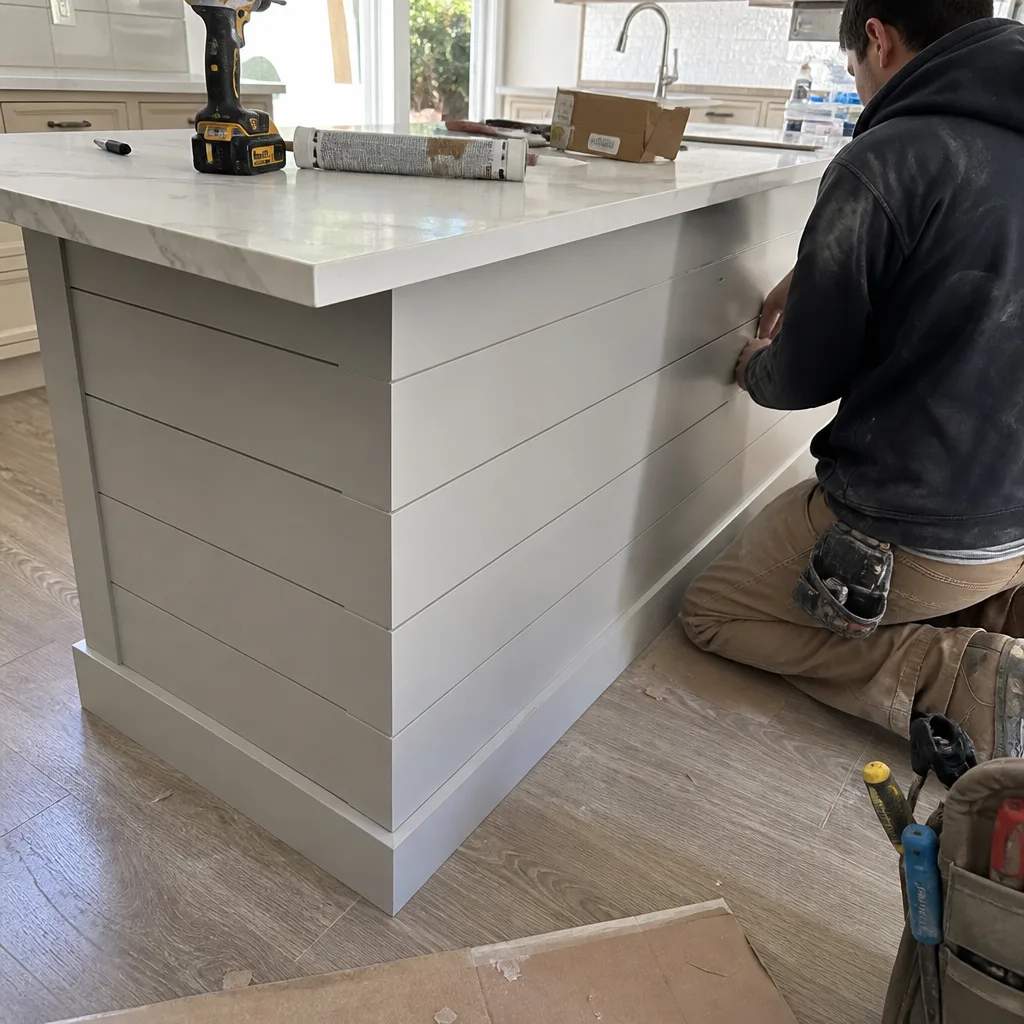 After
After Before
 After
After Before
 After
AfterAmerican Standard Roofing: The Cupertino Owner’s Guide
We stock and install American Standard-compatible roofing components in Cupertino, with most replacement parts available same-day and installed pricing typically running $400-$1,800 for repairs and $8,000-$20,000 for full replacement. The most common call we get starts with a water stain on a ceiling panel or a shingle the homeowner spotted in the yard after a Santa Clara Valley wind event. In Cupertino’s Monta Vista neighborhood and along the Stevens Creek corridor, we see accelerated wear from the combination of dry summers, occasional heavy winter rains, and the thermal cycling that comes with 40-degree temperature swings in a single day.
Which American Standard Models This Applies To
American Standard does not manufacture roofing materials directly; the brand appears in Cupertino homes through two channels. First, American Standard HVAC and plumbing divisions historically bundled roofing referrals with whole-home system packages, meaning many owners have a mixed roof where the original builder spec’d GAF, Owens Corning, or CertainTeed shingles alongside American Standard mechanical equipment. Second, some Cupertino homeowners mistake “American Standard” for the shingle brand when it’s actually the HVAC unit sitting on the roof curb.
To identify what you actually have, check the shingle underside for a printed code (GAF uses a 12-digit date-and-plant stamp; Owens Corning stamps the glass mat layer). If your call is about the roof penetration flashing around an American Standard condenser or vent stack, we need the unit model number (found on the metal rating plate) and the roof slope measured in inches of rise per 12 inches of run. The OEM flashing kits for American Standard HVAC units run smaller than universal aftermarket equivalents, typically 14-inch base squares versus the 18-inch universal, which creates a compatibility gap on low-slope Cupertino ranch roofs under 4:12 pitch. We carry both and measure before quoting.
Signs Your American Standard Roofing Is Failing
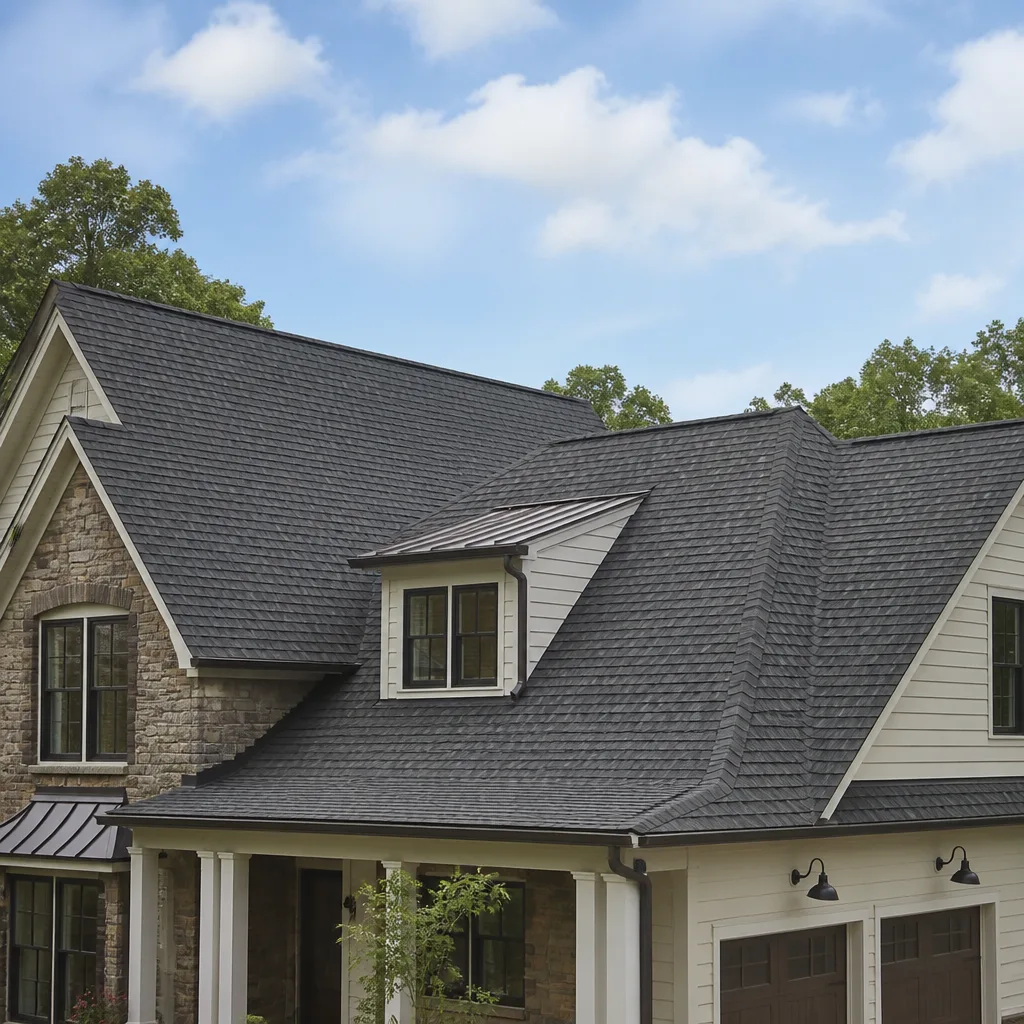
- Granule loss visible in gutters or downspout outlets. The ceramic granules on asphalt shingles protect the asphalt mat from UV degradation. In Cupertino’s high-sun exposure, particularly on south-facing slopes above 1,200 feet elevation near the Rancho Rinconada area, granule loss accelerates after year 12. Once the asphalt is exposed, cracking follows within two seasons.
- Shingle edges curling or cupping. This indicates either moisture trapped in the attic due to inadequate ventilation (common in 1960s Cupertino tract homes with original soffit designs) or the adhesive strip failing from thermal cycling. The shingle is no longer lying flat, which breaks the wind seal and allows uplift.
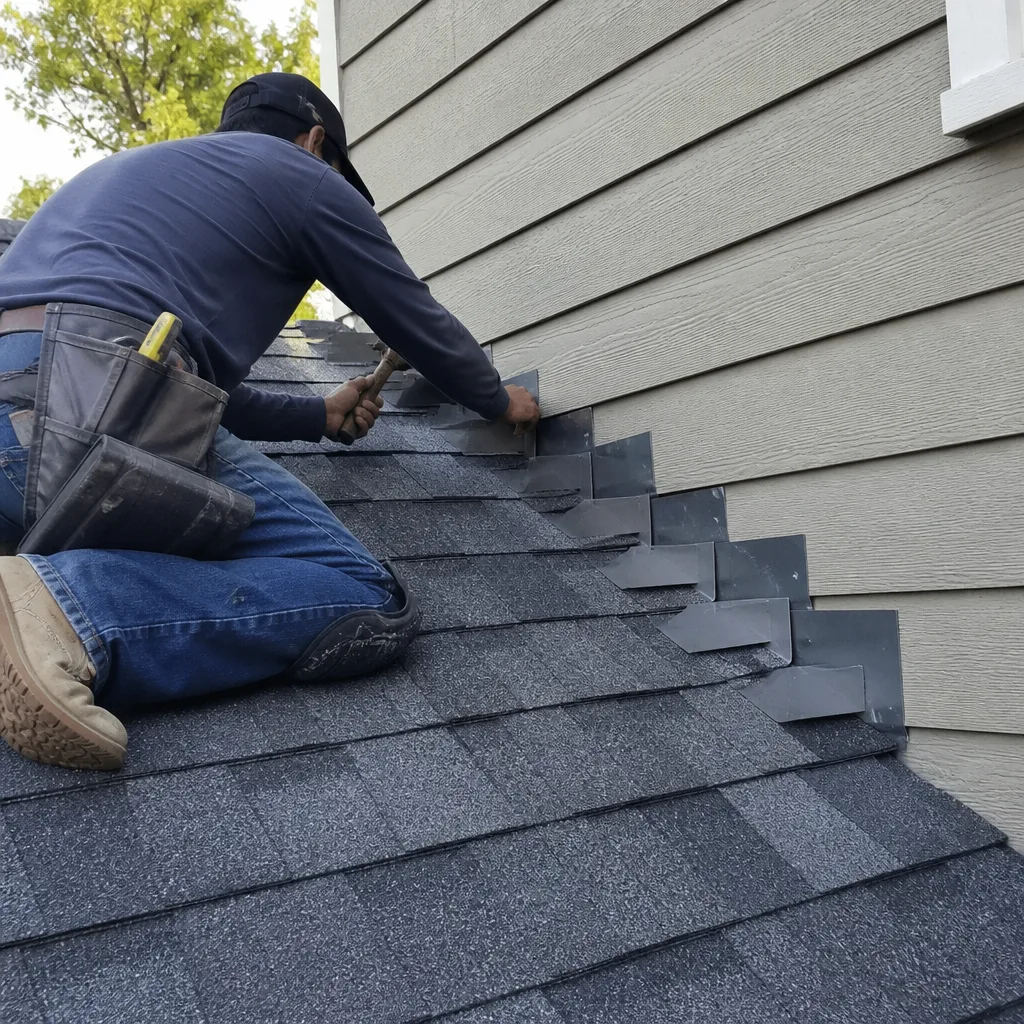
- Flashing gaps around HVAC curbs or plumbing vents. American Standard condensers in Cupertino are often roof-mounted on platform curbs. The rubber boot flashing deteriorates in 8-12 years from ozone and heat exposure, faster than the shingles themselves. Water enters at the fastener penetrations, not the boot center, which is why the leak shows up feet away from the actual gap.
- Interior stains appearing after rain but drying between events. This pattern points to a secondary moisture barrier failure, the underlayment (also called felt or synthetic deck cover) rather than the shingle itself. On American Standard-integrated roofs where the HVAC contractor handled the curb cut, the underlayment overlap at the penetration is often the weak point.
- Sagging at the ridge line or between trusses. Structural deflection means the roof deck, typically plywood or oriented strand board (OSB), has delaminated from chronic moisture. In Cupertino’s older Monta Vista and Garden Gate subdivisions, we find 3/8-inch plywood decks that were undersized for modern load requirements and have degraded at the fasteners.
 Before
 After
AfterReplacement Cost & What’s Included
For Cupertino properties, our repair work runs $400-$1,800 depending on whether we’re replacing a section of shingle, re-flashing a penetration, or addressing deck damage. Full roof replacement on the typical 1,800-2,400 square foot Cupertino single-story runs $8,000-$20,000, with the spread driven by shingle tier (three-tab versus architectural laminate), deck replacement extent, and whether the existing single layer needs tear-off or we can overlay (permitted in Santa Clara County only where the structure was originally built for one layer and the existing is single-ply).
Every quote is flat-priced and written before work starts, per Clause 1 of the Haven Standard. The number includes all materials with named brands, labor, permit pulling, disposal, and a documented photo record delivered at completion. We warranty our workmanship for one year; shingle manufacturer warranties run 25-50 years depending on product tier and are transferable once to a subsequent owner. No change to scope proceeds without a signed change order, which is how we’ve kept 4,000-plus projects within a few percent of the original agreed price since 2007.
DIY or Call Us?
There is one safe homeowner check: from the ground or a sturdy ladder at gutter height, look for the symptoms above and photograph anything suspicious. Do not walk the roof. Cupertino’s tile roofs (common in the Rancho Rinconada and Seven Springs areas) are brittle and break underfoot; asphalt shingle slopes over 6:12 are fall hazards even for experienced crews in harness.
What goes wrong with DIY: improper nail placement (exposed fasteners void manufacturer warranties), mismatched flashing at HVAC curbs that leaks within the first season, and the structural risk of stepping through a compromised deck section. We have the harnesses, the anchor points, and the insurance. More practically, we have the shingle color runs on file for most Cupertino subdivisions built 1985-2015, so matching is exact rather than close. Call (669) 202-9618 and we’ll schedule a free estimate with a written price before anyone picks up a tool.
FAQs
In Cupertino’s climate, a properly ventilated architectural shingle roof lasts 22-28 years, with the lower end applying to south-facing slopes and homes near the foothills where thermal cycling is most extreme. The HVAC curb flashings typically need attention at year 10-14, earlier than the field shingles. Call (669) 202-9618 for an exact assessment - estimates are free.
Short-term sealing with compatible roofing cement buys 1-2 seasons on minor gaps, but the rubber boot itself cannot be repaired once cracked; replacement is the only permanent fix. We document the boot condition with photos so you can see the difference between sealable and spent. Call (669) 202-9618 for an exact quote - estimates are free.
Most single-point repairs - a shingle section, a flashing replacement, a small deck patch - are completed in four to six hours. Full replacement on a standard Cupertino home runs three to five days including tear-off, deck inspection, underlayment, shingle installation, and final cleanup with magnet sweep for fasteners. We provide a phased timeline with your written quote so you know which days we’ll be on site and what happens each day.
We stock the common shingle lines (GAF Timberline HDZ, Owens Corning Duration, CertainTeed Landmark) and the 14-inch and 18-inch HVAC curb flashing kits that match American Standard unit footprints. For color-matched repairs, we pull from our Cupertino subdivision records or order from distribution with 24-48 hour turnaround. Call (669) 202-9618 to confirm availability for your specific model and color - estimates are free.
Written by Grant Rowan, Owner, Rowan Construction Group Cupertino at Rowan Construction Group Cupertino, serving Cupertino and nearby areas.