
Free written scope consultation - allowances, timeline, and change-order rules on paper before a single trade is scheduled

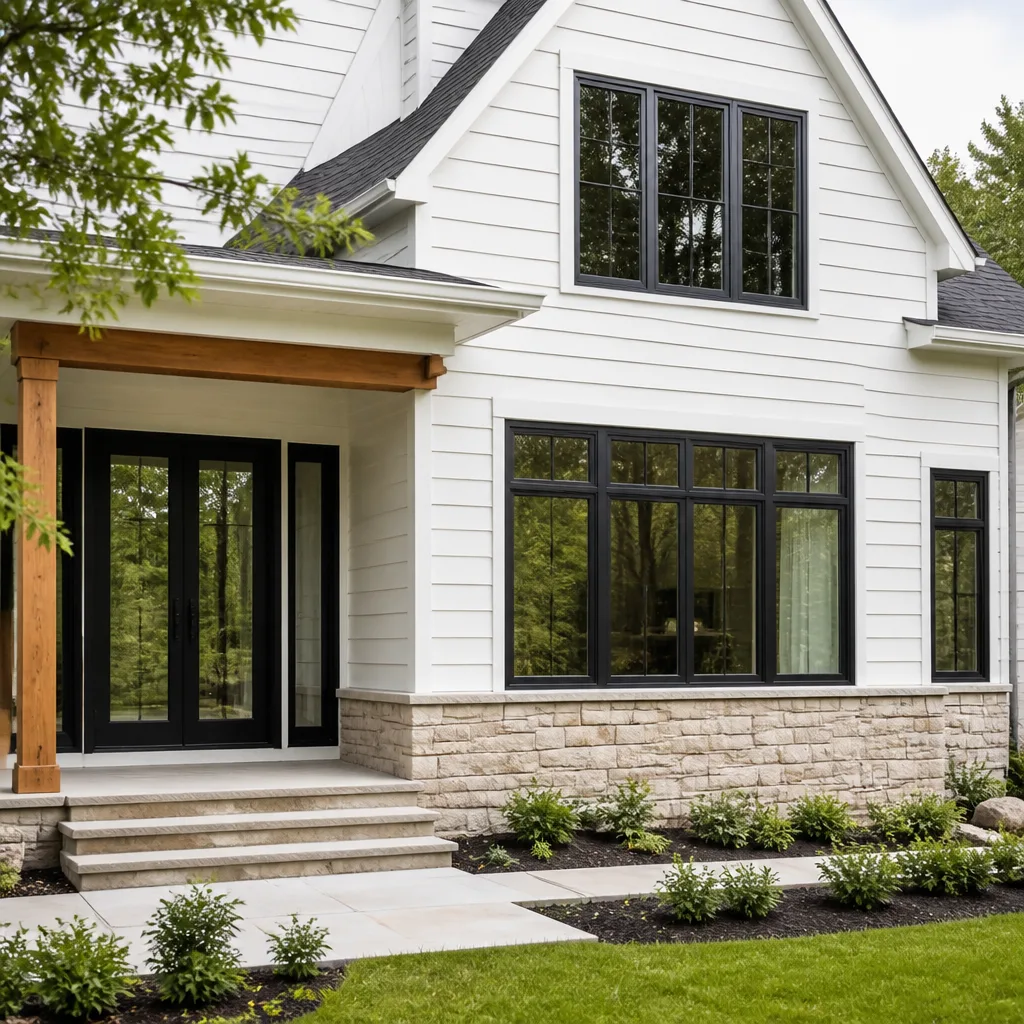
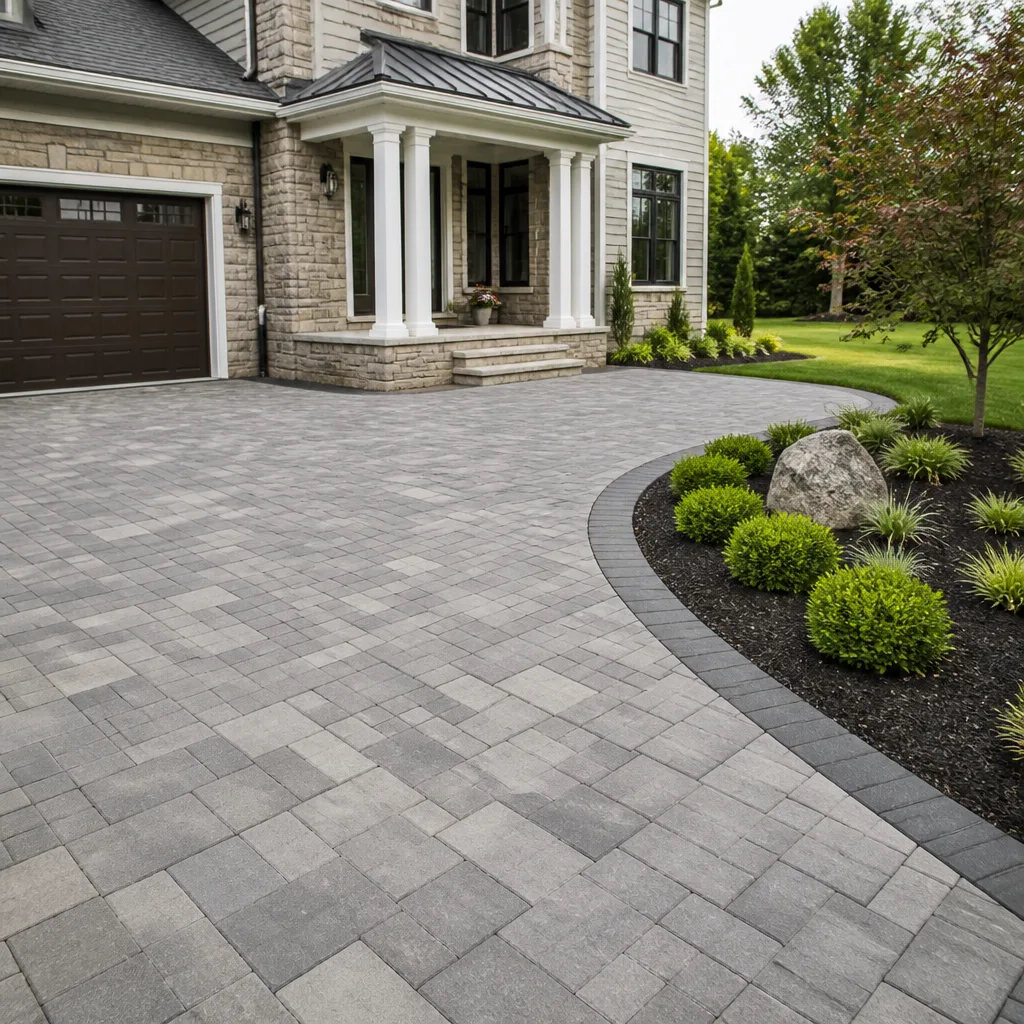
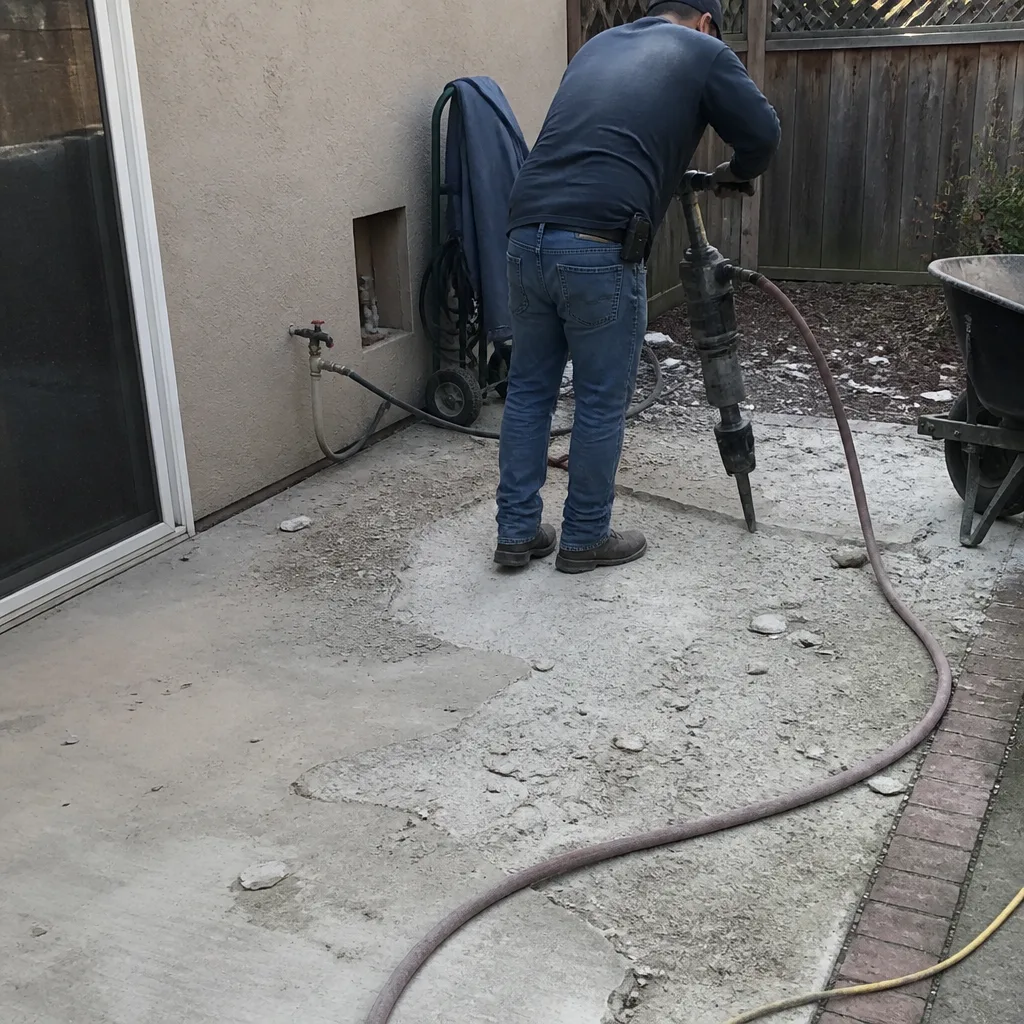 Before
 After
After Before
 After
After Before
 After
AfterHow Much Does New Window Installation Cost in Cupertino?
New window installation in Cupertino typically runs $4,500 to $15,000 for a standard window replacement project, and $8,000 to $25,000 for impact-rated windows. Most homeowners in Cupertino replacing five to eight windows land somewhere between $6,000 and $12,000 all in, depending on frame material, glass spec, and whether the rough opening needs structural work. Written quotes from Rowan Construction Group include a flat price and a defined scope before any work starts – no figure changes without a signed change order.
New Window Installation Cost Breakdown (2026)
The table below reflects actual Cupertino market pricing as of 2026. These are installed costs – labor, materials, and standard disposal of old windows included. They do not include permit fees, which the City of Cupertino charges separately (more on that below).
| Window Type / Scope | Installed Cost Range (Cupertino, 2026) |
|---|---|
| Standard vinyl double-hung replacement (per window) | $450 - $900 |
| Fiberglass double-hung replacement (per window) | $700 - $1,400 |
| Wood or clad-wood replacement (per window) | $900 - $1,800 |
| Impact-rated window (per window) | $1,200 - $2,800 |
| Picture window or fixed-frame (per window) | $600 - $1,500 |
| Bay or bow window (unit) | $3,200 - $7,500 |
| Casement or awning window (per window) | $500 - $1,100 |
| Egress window – new cut-in opening | $2,500 - $5,500 |
| Full-house window replacement (5-8 windows) | $4,500 - $15,000 |
| Impact window full-house package | $8,000 - $25,000 |
A few things push that range in either direction. Cupertino homes built between 1960 and 1985 – and there are a lot of them in neighborhoods like Rancho Rinconada and Monta Vista – frequently have aluminum single-pane units set into masonry or stucco openings. Getting those out cleanly without cracking surrounding stucco takes more labor than a wood-framed new-construction opening, and that shows up in the price. On the upper end, homes in Inspiration Heights or the hillside pockets near Stevens Creek tend to have custom-size openings that require special-order units rather than stock sizes, which adds lead time and material cost. On the lower end, a straightforward like-for-like swap of a standard 36×48 double-hung in an existing wood-framed opening with no rot or structural surprises is where you find the $450-to-$900-per-window figure.
Glass spec matters almost as much as frame material. California Title 24 requires a minimum U-factor of 0.30 and a solar heat gain coefficient (SHGC) of 0.23 for west- and south-facing windows in Cupertino’s climate zone. Most vinyl packages sold here meet that by default, but if you’re specifying a premium low-e coating, triple pane, or argon-gas fill, you’re adding $80 to $200 per window to the glass cost – and that money is usually well spent given Cupertino’s west-facing summer afternoon exposure.
What Affects New Window Installation Pricing in Cupertino
- Frame material. Vinyl is the most cost-efficient choice for most Cupertino homes and holds up well against the temperature swings between summer afternoons and cool marine-layer mornings. Fiberglass costs 30 to 50 percent more per unit but expands and contracts less, which matters on south-facing walls that see direct sun most of the day. Wood or clad-wood is the most expensive and requires more maintenance, though it’s often specified for historic-character homes near the old Vallco neighborhood or homes with HOA restrictions on exterior appearance.
- Window configuration and size. Stock sizes – typically 24×36, 30×48, 36×60 – cost less because they ship faster and require no custom fabrication. Cupertino’s mid-century ranch homes often have non-standard horizontal sliding windows that don’t match any stock size, so replacement units need to be special-ordered or the rough opening gets modified. Either adds cost: special-order adds $150 to $400 per window in material; rough-opening modification adds $300 to $800 in labor depending on what the framing reveals.
- Number of windows in the project. A single-window replacement carries a minimum trip and setup charge that works out to a higher per-window cost than a five-or-more-window project. Replacing all the windows in a typical Cupertino three-bedroom ranch in one mobilization typically saves $200 to $500 compared to doing them in two separate visits.
- Structural condition of the rough opening. Cupertino’s coastal-adjacent climate produces morning moisture and occasional driving rain from the southwest. Homes in the flats near Mary Avenue or Homestead Road that were originally single-pane aluminum sometimes show rot in the sill plate or deteriorated building paper behind the stucco flange. Finding and fixing that correctly – replacing the sill, flashing properly with self-adhering membrane, and applying new stucco color-matched to the existing – adds $400 to $1,200 per affected opening. You don’t want to skip it: a new window set into a rotted rough opening will fail in three to five years.
- Permit requirements. Cupertino Building Division requires a permit for new window installations that change the opening size or involve structural framing changes. Like-for-like replacements in the same rough opening often fall under a simpler permit category, but you should verify with the Building Division at 10300 Torre Avenue before assuming. Permit fees in Cupertino typically run $150 to $450 depending on project valuation, and Rowan pulls the permit – it’s included in the written scope, not added later.
- Second-story or restricted-access locations. Windows on the second floor of a two-story home in Cupertino require scaffolding or lift equipment for safe installation when interior access alone isn’t sufficient. That equipment adds $300 to $700 to the project cost. It’s a real cost and a real safety requirement – work at height without proper staging is how installers get hurt and how windows get damaged during installation.
 Before
 After
AfterCupertino-Specific Considerations Worth Knowing
Cupertino sits in California’s Climate Zone 4, which means Title 24 energy compliance is a real factor in window selection, not just a paperwork exercise. The combination of cool, foggy mornings and hot afternoons from June through September – particularly in the Monta Vista and Seven Springs areas, which sit slightly inland and away from the marine layer’s cooling effect – makes low-e coatings and proper SHGC ratings genuinely useful rather than a spec upgrade you’re paying for on paper.
The Santa Clara Valley Water District and the City of Cupertino have both offered rebate programs tied to energy-efficient window upgrades in recent years. Those programs change annually, so the figure we’d put on this page today could be outdated by the time you read it – your best move is to check cupertino.org/residents and sce.com/rebates directly. What we can say is that Energy Star-certified windows, which most fiberglass and quality vinyl units now carry, are typically the threshold for rebate eligibility, and Rowan specs to that standard by default.
Homes in Cupertino’s hillside zones near Inspiration Heights also sit in a wildland-urban interface (WUI) area designated by Cal Fire. WUI-zone homes built or remodeled after certain dates may be subject to ember-resistant glazing or tempered glass requirements under CBC Section R327. If your home is in a WUI zone, the window spec needs to account for that – it changes both the unit cost and the available product choices. Grant Rowan and the crew flag this in the initial site assessment so it’s priced into the written quote before anyone orders materials.
On the New Window Installation in Cupertino service page you’ll find details on the full installation process, brand options we source, and how the written scope is structured. For a broader picture of how Rowan approaches residential construction across all seven trades, the home page lays out the full scope.
How to Save on New Window Installation in Cupertino
A few practical ways to bring the number down without compromising what matters.
- Do all the windows at once. If you have six windows that need replacing and you replace them over three separate visits, you pay three mobilization charges and three sets of setup time. One visit for the full house saves money and means the crew gets into a rhythm on your specific window type – which typically produces cleaner installs.
- Choose the right frame material for the opening, not the showroom. Vinyl is the right answer for most Cupertino homes. It performs well in the climate zone, costs less than fiberglass or wood, and carries a long warranty from quality manufacturers. Fiberglass makes sense on south-facing openings that see extreme thermal cycling, but paying for it on a north-facing bathroom window adds cost without adding performance.
- Address the rough opening honestly before ordering windows. Skipping a proper inspection to save a few hundred dollars, then discovering rot after the windows are delivered, costs more than the inspection would have. Rowan documents the condition of every rough opening with photos before materials are ordered – that’s part of the standard site assessment, not an add-on.
- Get a second opinion on any written estimate you’ve already received. Rowan offers a free second opinion on any competitor’s written quote – reviewed line by line at no charge. If the competing scope is missing permit fees, disposal, or rough-opening contingency, you’ll know before you sign. Call (669) 202-9618 to schedule that review; it takes about 20 minutes and costs nothing.
- Time the project for spring or fall. Cupertino’s summer months pull heavy contractor demand from HVAC and roofing work. Window installation scheduled in March, April, October, or November tends to have better material availability and sometimes tighter lead times on special-order units. It doesn’t always move the price, but it can shorten the project timeline by two to three weeks.
- Check for Title 24 and Energy Star rebates before you finalize the spec. If you’re going to qualify for a utility rebate, it makes sense to know the amount before you choose between two window lines that are $80 apart per unit. Rowan’s written quote identifies the Energy Star certification status of every specified product so you have the documentation you need for any rebate application.
What the Installation Process Looks Like
It’s worth explaining how a Rowan window installation actually runs, because the process is where the written price either holds or falls apart on job sites that aren’t managed carefully.
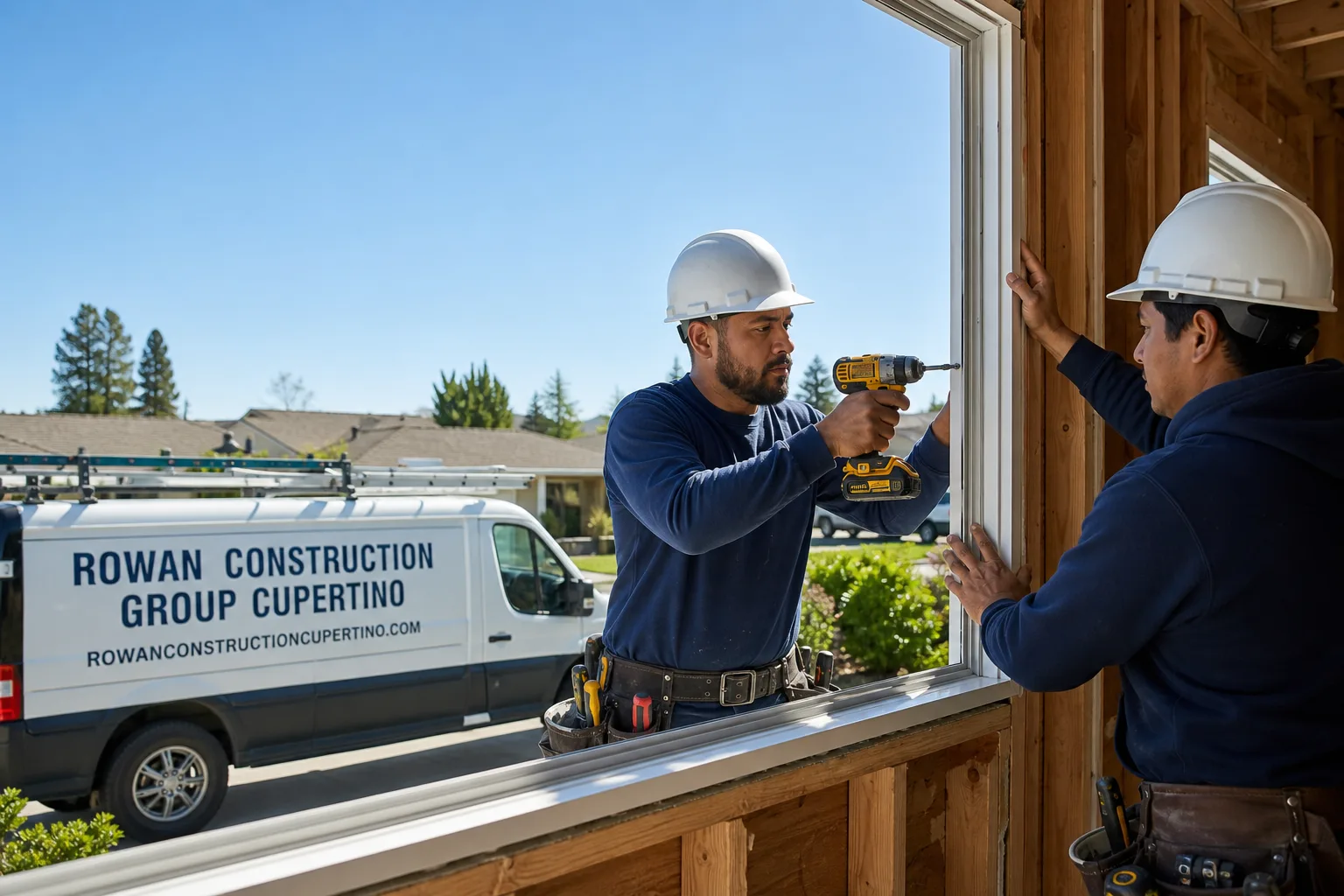
The first step is a site assessment at no charge. Grant Rowan or a senior crew member walks every window opening, documents the frame condition with photos, measures the rough opening dimensions, checks the wall assembly for signs of moisture intrusion, and notes any access constraints – second-floor locations, landscaping that limits staging, HOA restrictions on exterior color or grille patterns. All of that goes into the written quote. Under Clause 1 of the Haven Standard, the price is written before anyone starts. You get a flat number, a defined scope, and a written warranty before you sign anything.
Once the quote is signed, materials are ordered. Lead times on stock vinyl units run three to seven business days in most Cupertino-area supplier warehouses. Special-order fiberglass or clad-wood units typically run three to five weeks. The crew schedules the installation date around confirmed delivery – not before – so there’s no day-of scramble if a unit arrives with a defect.
Installation day runs roughly one to two hours per window for a standard like-for-like replacement, longer for new-cut openings or units requiring rough-opening modification. The photo record is shot at three stages: rough opening exposed, flashing and membrane installed, and finished unit in place with trim. You receive that record when the crew leaves – it’s included, not an upgrade you request. If anything surfaces during installation that changes the scope – rot behind a stucco flange, a header that’s undersized for the new unit’s weight – no work proceeds on that change until a written change order is signed. That’s the discipline that has kept Rowan’s projects within a few percent of the agreed price across more than 4,000 jobs since 2007.
The 365-Day Done Right Promise applies to every window installation. If something isn’t done right – a sash that binds, a flashing detail that lets water in, a trim piece that lifts – Rowan makes it right. That promise is printed on every project page and backed by the Haven Standard’s terms, not an asterisk in a footnote.
Vinyl vs. Fiberglass vs. Wood: Which Frame Is Right for Cupertino?
Most of the window-selection questions we field in Cupertino come down to this one, so it’s worth a direct answer.
Vinyl is the right default for the majority of Cupertino homes. It holds a U-factor and SHGC that comfortably clears Title 24, it’s dimensionally stable enough for the Bay Area’s temperature range, and its cost is honest – you’re paying for performance, not for the material’s prestige. Quality vinyl units from established manufacturers carry a lifetime warranty on the frame and ten or more years on the glass seal. For a three-bedroom ranch in Seven Springs or a townhouse near Portal, vinyl is almost always the correct answer.
Fiberglass costs more but expands and contracts at roughly the same rate as glass – which means the seal between frame and glass holds up better over time on openings that see significant thermal cycling. South-facing windows on homes in the Monta Vista foothills, where afternoon sun runs several hours at high angle in summer, genuinely benefit from fiberglass over vinyl. The performance advantage is real; so is the price difference. Budget 30 to 50 percent more per unit than comparable vinyl.
Wood and clad-wood are specified for two reasons: historic appearance requirements (HOAs in some Cupertino neighborhoods restrict visible frame color or prohibit modern materials on street-facing elevations) and genuine aesthetic preference. Wood frames require painting or staining on a regular maintenance cycle – every five to seven years in Cupertino’s climate if the window sees direct weather exposure. Clad-wood puts an aluminum or fiberglass exterior over a wood interior, which reduces maintenance while preserving the interior appearance. It’s the most expensive option and the right one for a specific set of homes and homeowners.
FAQs: New Window Installation Cost in Cupertino
How much does window replacement cost in Cupertino in 2026?
Window replacement in Cupertino runs $4,500 to $15,000 for a standard whole-house project (typically five to eight windows), and $8,000 to $25,000 for impact-rated windows. Per-window installed cost ranges from $450 to $900 for stock vinyl double-hung units up to $1,800 or more for clad-wood or specialty configurations. Call (669) 202-9618 for a written quote with a flat price – estimates are free and include a rough-opening assessment.
Does Cupertino require a permit for window replacement?
Cupertino Building Division requires a permit when the rough opening size changes or when structural framing is modified. Like-for-like replacements in an existing opening may fall under a simpler permit category, but you should confirm with the Building Division at 10300 Torre Avenue before assuming your project qualifies. Permit fees typically run $150 to $450. Rowan pulls the permit on every project that requires one – it’s included in the written scope, not added as a line item after you sign.
How long does window installation take in Cupertino?
A standard like-for-like replacement runs one to two hours per window once the crew is on site. A full house of five to eight windows is typically completed in one day. New-cut openings that require structural framing work add a day. Special-order units that don’t ship from local warehouses add three to five weeks of lead time before installation day. The schedule is set around confirmed material delivery – not the other way around – so installation day isn’t held up by a late shipment.
Is it cheaper to repair or replace windows in Cupertino?
Repair costs $150 to $600 for common issues like a failed glass seal (the fog between panes), a broken sash lock, or a worn weatherstrip. If the frame itself is deteriorated – cracked vinyl, rotted wood sill, bent aluminum that won’t seal – repair is almost never a lasting fix. In Cupertino’s housing stock, single-pane aluminum windows from the 1970s and early 1980s are past the point of economical repair; replacement pays back in energy cost and comfort within a few years. If you’re unsure which category your windows fall into, call (669) 202-9618 and Rowan will assess and document the condition at no charge.
What window brands does Rowan use in Cupertino?
Rowan sources from a vetted set of manufacturers whose products consistently meet Title 24 and Energy Star thresholds and whose warranty terms are actually backed by working claims processes. The specific brands recommended for your project depend on the frame material, configuration, and budget specified in your scope – fiberglass units come from a different manufacturer than stock vinyl, and clad-wood from another. The written quote names the manufacturer, model, and specification for every unit, so you can look up the product independently before you sign. Rowan doesn’t hide the product behind a vague “quality materials” claim.
Can Rowan match my HOA’s window appearance requirements?
Yes. Several Cupertino HOAs have CC&R language restricting visible frame color, prohibiting certain materials on street-facing elevations, or requiring specific grille patterns on front-facing windows. Rowan reviews HOA guidelines before specifying units – the written quote notes the HOA restriction and identifies the compliant product. If HOA approval requires a submittal package, Rowan prepares the documentation; it’s part of the written scope, not a separate billing item.
Key Takeaways
- New window installation in Cupertino runs $4,500 to $15,000 for standard replacement and $8,000 to $25,000 for impact-rated windows – full installed cost, materials and labor included.
- Per-window cost ranges from $450 (stock vinyl double-hung) to $1,800-plus (clad-wood or specialty configurations), with bay and bow windows running $3,200 to $7,500 per unit.
- Cupertino’s California Climate Zone 4 position and Title 24 requirements shape window selection – U-factor, SHGC, and Energy Star certification aren’t optional checkboxes here.
- Homes in WUI zones near Inspiration Heights may face additional glazing requirements under CBC Section R327. This is identified in the site assessment, not discovered after materials are ordered.
- Like-for-like replacements in existing openings are faster and less expensive than new-cut openings. Hidden rot in the rough opening is the most common source of scope changes in Cupertino’s older housing stock.
- Rowan pulls permits, delivers a photo record on every visit, and holds the price in writing. No change proceeds without a signed change order.
- The 365-Day Done Right Promise and a free second opinion on any written estimate are standing offers – not limited-time promotions.
If you’ve already received a written estimate from another contractor, call (669) 202-9618 and Rowan will review it line by line at no charge. If you haven’t started yet, the same call gets you a free site assessment and a written quote with a flat price – the number is on paper before anyone picks up a tool. Grant Rowan and the crew serve Cupertino and the surrounding Santa Clara Valley communities, and every project runs under the same documented process whether it’s a single window or a full house.
Pricing reflects the Cupertino market as of 2026. Rowan Construction Group Cupertino offers free estimates – call (669) 202-9618.
Written by Grant Rowan, Owner at Rowan Construction Group, serving Cupertino since 2007.
What Our Customers Say
"Solid work, decent crew, and the site was left tidy every evening."
- Pearl A."Fence and retaining wall along a sloped boundary. They photographed the footing depth at each post, which mattered when the county inspector came."
- Iona F."Final invoice was within two percent of the contract. Every change was priced and signed before anyone picked up a tool."
- Malcolm T.